







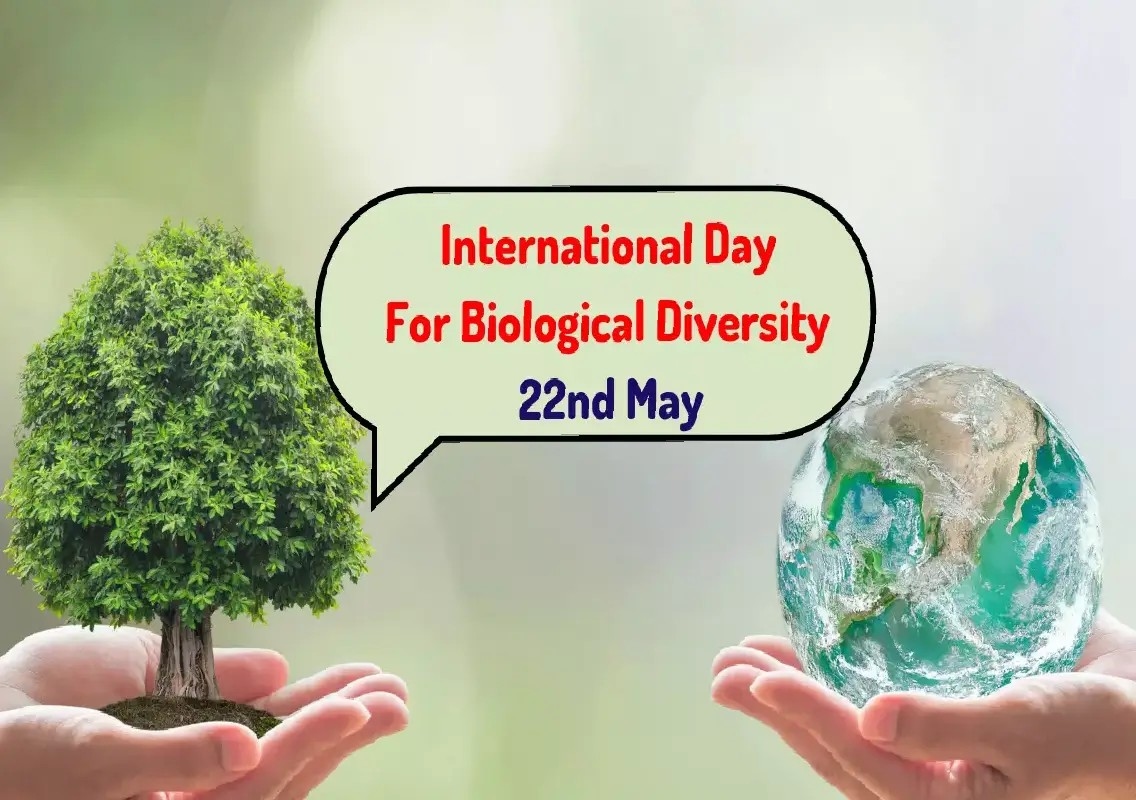


The world will observe International Day for Biological Diversity on May 22 with the 2026 theme, “Acting locally for global impact,” highlighting the urgent need to protect biodiversity through community-driven action.
The global campaign calls on individuals, schools, organisations, cities, and communities to contribute towards halting and reversing biodiversity loss, which experts describe as one of the greatest environmental challenges facing the planet today.
Local action with global impact
Organisers of the campaign emphasise that biodiversity conservation starts close to home. Communities are encouraged to participate through awareness drives, nature walks, educational programmes, online campaigns, citizen science projects, and local conservation initiatives.
The observance aims to inspire people to reconnect with nature while understanding the importance of ecosystems in sustaining life, food security, climate balance, and human wellbeing.
People worldwide are also invited to share their activities on social media using the hashtag #BiodiversityDay to amplify awareness and inspire wider participation.
Campaign built around three pillars
The 2026 campaign focuses on three major pillars — Look and Learn, Connect and Act, and Share.
Look and Learn
People are encouraged to explore biodiversity within their local surroundings and improve their understanding of the Convention on Biological Diversity and the Kunming-Montreal Global Biodiversity Framework, considered the global roadmap for biodiversity conservation.
Connect and Act
Communities and organisations are urged to collaborate through environmental initiatives, data collection, awareness programmes, and local conservation projects both online and offline.
Share
Citizens are invited to share stories, photographs, campaigns, and biodiversity-related activities to inspire others and strengthen global awareness efforts.
Supporting global biodiversity goals
The campaign aligns with the 23 targets of the Kunming-Montreal Global Biodiversity Framework, which aims to restore ecosystems, reduce biodiversity loss, and promote sustainable living practices worldwide.
Cities and regional administrations can also participate through platforms such as CitiesWithNature and RegionsWithNature to showcase their biodiversity commitments and environmental initiatives.