







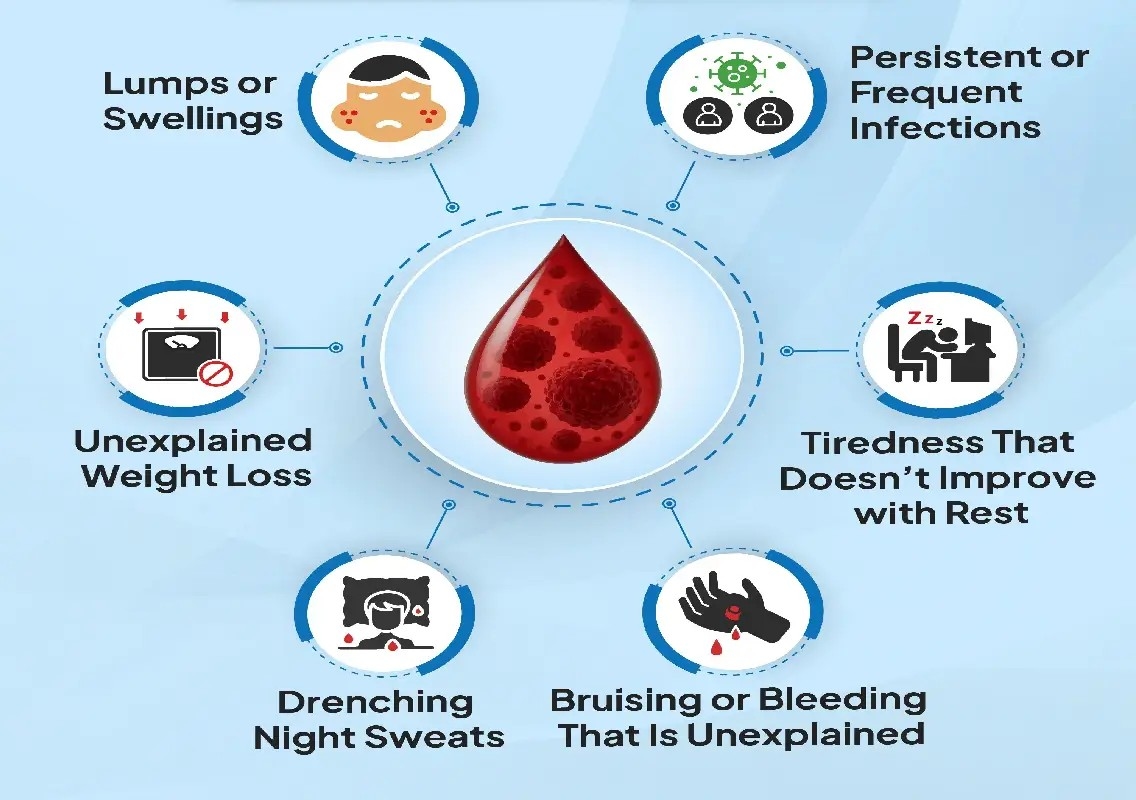


Scientists have discovered that certain blood cancers may show genetic warning signs years before patients develop severe symptoms, raising hopes for earlier diagnosis, more personalised treatment and improved patient outcomes.
The findings, published in the journal Cancer Discovery, come from researchers at the Wellcome Sanger Institute and collaborating institutions. By combining whole-genome sequencing with long-term clinical records, the team tracked how chronic blood cancers evolved over several decades.
DNA changes may predict disease progression
The research focused on myeloproliferative neoplasms (MPNs), a group of rare blood cancers that begin in the bone marrow and cause excessive production of blood cells. While some patients live for years with stable disease, others eventually develop more aggressive conditions such as leukaemia or myelofibrosis.
Researchers analysed more than 450 blood samples from 30 patients, alongside nearly 8,000 blood test results collected over a period of up to 25 years. Using advanced genome sequencing, they created genetic “family trees” of blood cells to understand how the disease evolved.
The study found that patients whose cancers later became more severe developed additional genetic mutations over time, while those with stable disease showed very few new DNA changes. These genetic alterations could potentially serve as early warning signs, long before symptoms or routine medical tests detect disease progression.
Improving diagnosis and avoiding unnecessary treatment
The researchers also examined patients who lacked the common genetic mutations usually associated with MPNs. Surprisingly, many of these individuals displayed genetic patterns more consistent with normal ageing than with cancer.
The findings suggest that some people currently diagnosed with blood cancer based solely on bone marrow appearance may not actually have the disease. This could help doctors avoid unnecessary treatments, including chemotherapy, in patients without clear genetic evidence of cancer.
A step towards personalised cancer care
Experts believe routine genomic testing could transform the way chronic blood cancers are diagnosed and monitored. Identifying high-risk patients years before their condition worsens would allow doctors to begin treatment earlier while reducing unnecessary interventions for those with stable disease.
The study also supports updated clinical guidelines that recommend a more cautious approach when diagnosing patients who do not carry the common blood cancer-related genetic mutations.
Researchers say the findings mark an important step towards precision medicine, where treatment decisions are guided by a patient’s unique genetic profile, improving both survival and quality of life.