


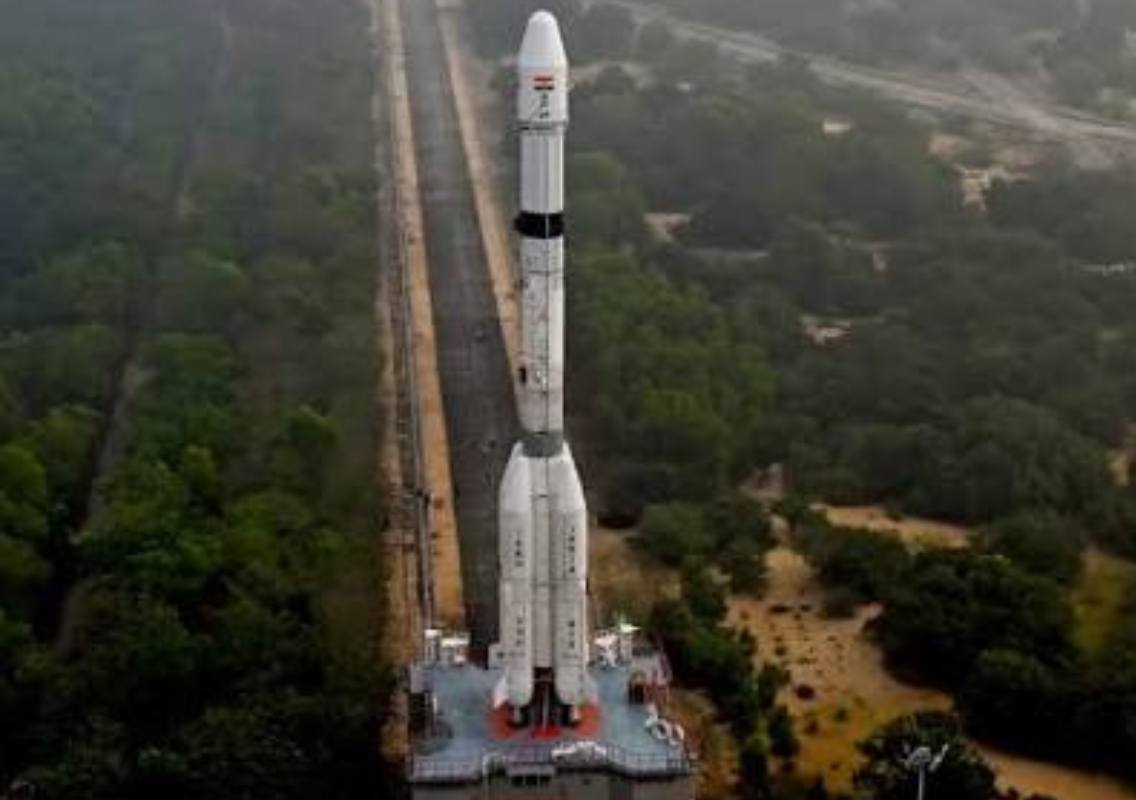


Sriharikota: The Indian Space Research Organisation (ISRO) is preparing to launch its next-generation navigation satellite, NVS-03, aboard a Geosynchronous Satellite Launch Vehicle (GSLV) rocket on Friday, October 30, 2026. The mission is aimed at strengthening India’s indigenous satellite navigation system, Navigation with Indian Constellation (NavIC), following setbacks involving earlier satellites.
The launch is scheduled for 11.51 pm IST from the Satish Dhawan Space Centre in Sriharikota, Andhra Pradesh. Designated GSLV-F18, the mission will carry the third satellite in the second-generation NavIC series into space.
The launch is significant for India’s efforts to maintain an independent satellite navigation capability for civilian and strategic applications. However, NVS-03 will need to reach its intended orbit, undergo testing and be commissioned before it can provide operational navigation services.
When and where will ISRO launch NVS-03?
ISRO is scheduled to launch NVS-03 on Friday, October 30, at 11.51 pm IST.
The satellite will be carried into space by the GSLV-F18 rocket from the Satish Dhawan Space Centre in Sriharikota. The launch vehicle is part of ISRO’s efforts to deploy satellites needed for India’s navigation infrastructure.
NVS-03 belongs to the second-generation Navigation with Indian Constellation series, which is designed to strengthen and improve the capabilities of NavIC.
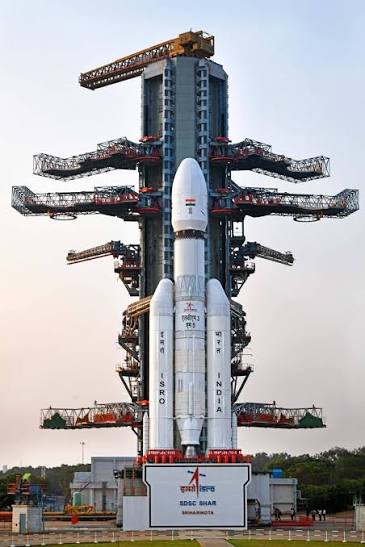
The mission’s immediate objective is to place the satellite on the path towards its intended orbit. Following launch, the satellite must complete the required orbital manoeuvres and commissioning procedures before its navigation payload can be used operationally.
Why is the NVS-03 mission important?
The launch comes as ISRO works to strengthen NavIC after technical difficulties involving an earlier satellite affected the system’s capabilities.
NVS-02, launched in January 2025, successfully reached geosynchronous transfer orbit but could not be manoeuvred into its intended orbit because of a problem involving its propulsion system.
The setback highlighted the importance of maintaining an adequate number of operational satellites to ensure the continuity and reliability of navigation services.
The government has previously stated that only three satellites were providing positioning, navigation and timing services through NavIC. The reduced availability of operational satellites has affected the system’s ability to provide independent positioning services.
NVS-03 is expected to help address these limitations once it has reached its intended orbit and completed testing and commissioning.
Its successful deployment would represent an important step towards strengthening the constellation. Nevertheless, the launch itself should not be treated as an immediate restoration of all NavIC capabilities, as the satellite must first become operational.
What is NavIC and how does it work?
NavIC is India’s indigenous regional satellite navigation system, developed by ISRO to provide positioning, navigation and timing services.
The system covers India and extends approximately 1,500 km beyond the country’s borders. It serves as a regional alternative to relying exclusively on foreign navigation systems such as the United States’ Global Positioning System (GPS).
NavIC is designed to support a range of applications, including transport, maritime navigation, location-based services and other activities requiring accurate positioning and timing information.
The system also has strategic importance. It provides a Standard Positioning Service for civilian users and a Restricted Service intended for authorised users, including those involved in defence and security operations.
By maintaining its own satellite navigation infrastructure, India can reduce its dependence on external systems for important positioning and timing requirements.
The reliability of the service, however, depends on the availability and operational status of the satellites forming the constellation.
NVS-03 is part of a five-satellite series
NVS-03 is part of a planned series of five second-generation navigation satellites intended to augment NavIC.
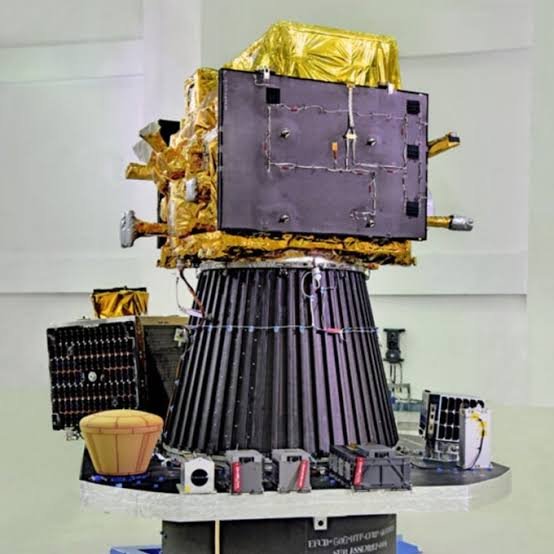
The new-generation satellites are designed to strengthen the system’s capabilities and support continuity of service as India’s requirements for navigation and timing applications grow.
The planned series includes NVS-03, NVS-04 and NVS-05, alongside the earlier satellites in the second-generation programme.
The deployment of additional satellites is important because a navigation system requires a functioning constellation to deliver dependable coverage and service. Technical failures or difficulties in placing satellites in their intended orbits can affect the availability of those services.
The NVS-03 mission therefore forms part of a broader effort to strengthen the satellite infrastructure supporting NavIC rather than being an isolated launch.
Civilian and defence applications of NavIC
NavIC supports civilian applications that rely on location and timing information. These include transport and maritime navigation, where reliable positioning can assist users in determining their location and planning routes.
The system’s services can also support location-based applications and other activities that depend on satellite navigation signals.
Its restricted service has additional strategic significance. Authorised users, including the armed forces, can use the system’s encrypted navigation service for relevant operational requirements.
An independent navigation capability gives India greater control over an important part of its technological and strategic infrastructure. It also helps reduce the risks associated with depending entirely on navigation services operated by other countries.
For these reasons, maintaining the health of the NavIC constellation remains an important objective for ISRO.
What happens after the NVS-03 launch?
The launch on October 30 will be the first major milestone in the NVS-03 mission. Once the rocket places the satellite on its intended transfer trajectory, further operations will be required to establish it in the correct orbit.
ISRO will then need to assess the satellite’s performance, verify its systems and complete commissioning before it can be declared ready for operational use.
These stages are essential because a successful rocket launch does not, by itself, guarantee that a satellite will immediately begin providing navigation services.
The satellite’s operational readiness and its contribution to NavIC will depend on the outcome of the orbital manoeuvres, system checks and commissioning process.
The results will also help determine how effectively NVS-03 can strengthen the existing constellation.
A key step towards strengthening India’s navigation system
The planned launch of NVS-03 marks another important stage in India’s efforts to strengthen its homegrown satellite navigation infrastructure.
With NavIC supporting civilian applications as well as strategic requirements, maintaining a reliable constellation is essential to the system’s long-term usefulness.
The technical setback involving NVS-02 has underlined the need to improve satellite availability and ensure continuity of services. NVS-03 is expected to contribute to that effort once it is successfully deployed and commissioned.
The launch is scheduled for 11.51 pm IST on October 30, 2026, from Sriharikota aboard the GSLV-F18 rocket. Its eventual operational status, rather than the launch alone, will determine how much it improves NavIC’s capabilities.