







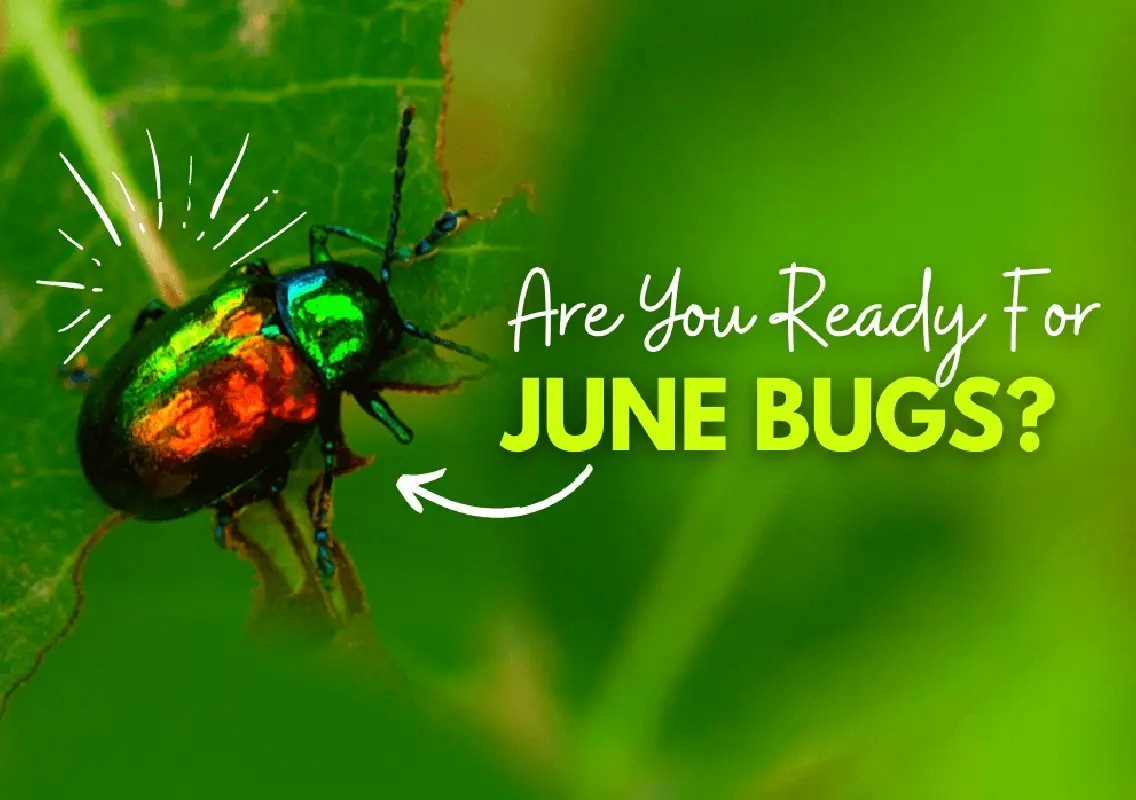


They may be a familiar sight on summer evenings, buzzing around porch lights and crashing into windows, but June bugs can be more than just a seasonal annoyance.
According to entomologists, the real threat comes not from the adult beetles but from their underground larvae, known as white grubs, which can cause significant damage to lawns and gardens.
What are June bugs?
June bugs are a group of scarab beetles belonging to the genus Phyllophaga. They are commonly seen during late spring and early summer, which is how they earned their name.
The beetles range in colour from reddish-brown to nearly black and are attracted to outdoor lights during the evening. Adult June bugs feed on plant leaves but generally do not bite, sting or pose a direct threat to humans or pets.
Hidden danger beneath the soil
After mating, female June bugs lay eggs in the soil. These hatch into white grubs that remain underground for months or even years, depending on the species.
The larvae feed on grass roots and other plant roots, reducing the plants’ ability to absorb water and nutrients. This can lead to yellowing lawns, dying vegetation and patches of weak turf.
Heavy infestations can also attract pests such as moles, raccoons and rodents that dig up gardens in search of grubs.
Managing June bug infestations
Experts recommend monitoring lawns for signs of grub activity and maintaining healthy turf through proper watering and fertilisation.
In severe cases, targeted insecticide treatments may be used, though specialists advise caution as such treatments can also affect beneficial insects.
Interestingly, small populations of June bugs may offer some benefits, including natural soil aeration through their tunnelling activity. The grubs are also popular bait among fishing enthusiasts.
Homeowners experiencing persistent lawn damage are encouraged to consult local agricultural or pest-control experts for advice tailored to their region.