







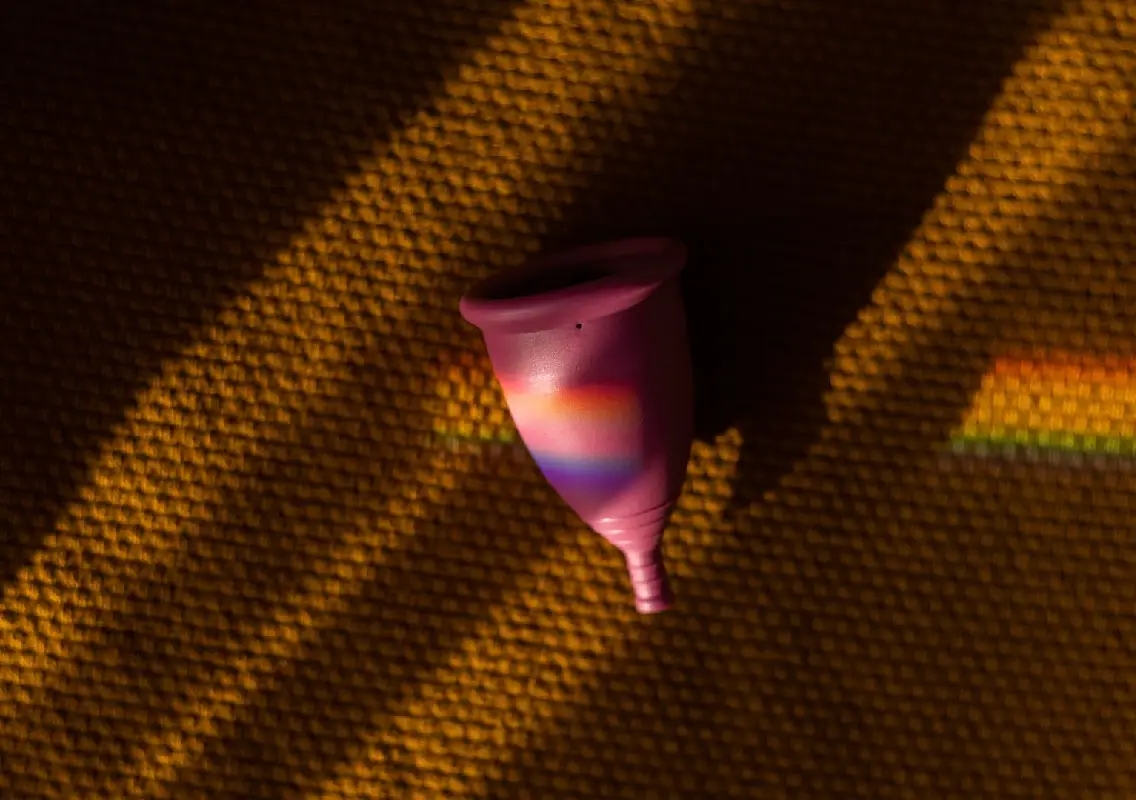


As space agencies prepare for longer missions to the Moon, Mars and beyond, scientists are addressing a simple yet critical question: what happens if someone gets their period in space? A new study has offered encouraging answers, showing that menstrual cups — a popular reusable period product — may be safe and effective for use during space travel.
Menstrual cup tested on an uncrewed rocket flight
In 2022, researchers from AstroCup sent two silicone menstrual cups aboard an uncrewed rocket that flew for about nine minutes and reached an altitude of 1.9 miles (3 km). The cups, made by the brand Lunette, were subjected to intense vibration and pressure changes that could have damaged their structure.
Back on Earth, researchers carried out leak tests using glycerol and water. The results, published recently in NPJ Women’s Health, showed no structural damage, no material degradation and no leakage.
Scientists say these findings open the door to providing astronauts with more autonomy over menstrual health during missions.
Why menstrual cups matter in space
Menstrual cups can be worn for hours at a time, produce minimal waste and are reusable for years — traits that align well with spacecraft constraints. Recycling systems on spacecraft are not designed to handle blood, while single-use products like pads and tampons add logistical and disposal challenges.
Although many astronauts who menstruate currently use hormonal suppression to pause their cycle during missions, researchers note this will not always be preferred or medically suitable. As human spaceflight expands, women on longer missions may wish to continue menstruating for personal, medical or reproductive reasons.
Lead researcher and astrobiologist Lígia Coelho, a fellow at Cornell University’s Carl Sagan Institute, said:
“Now we can start implementing and redefine health autonomy in space.”
More research needed before menstrual cups go to the ISS
Despite promising initial results, scientists emphasise that more testing is required. Removing a menstrual cup in low gravity could present new challenges, especially on longer assignments. Researchers hope to send various period products to the International Space Station (ISS) for comparative testing.
The study noted that understanding menstruation in reduced gravity is essential not only for crew comfort but also for future reproductive research in space.
Why astronauts pause their periods today
Most astronauts who menstruate currently opt for continuous oral contraceptive pills to suppress cycles during missions. This has been considered safe and convenient on Earth, reducing cramping, hormonal fluctuations and the need to carry menstrual supplies.
Other methods such as IUDs or implants may also reduce bleeding, but research on how they behave during spaceflight is limited. Even on Earth, these options can cause breakthrough bleeding, meaning they are not universal solutions.
Additionally, hormonal contraceptives that include estrogen carry risks such as blood clots, and may affect bone density — already a concern during long missions when astronauts experience bone loss.
Expanding autonomy for women in future space missions
As space agencies plan for multi-year missions and potential future colonies, the study highlights the need to support every astronaut’s choice regarding menstruation. The authors note that:
- Periods may resume naturally on long missions
- Some astronauts may prefer not to suppress cycles
- Menstrual health is linked to long-term reproductive research in space
“More women will have the opportunity to go to space for even longer missions, and it is paramount that their autonomy on menstrual options is respected,” the authors wrote.
With the AstroCup study, scientists say the first steps have been taken toward practical, gravity-defying solutions for menstrual care beyond Earth.