







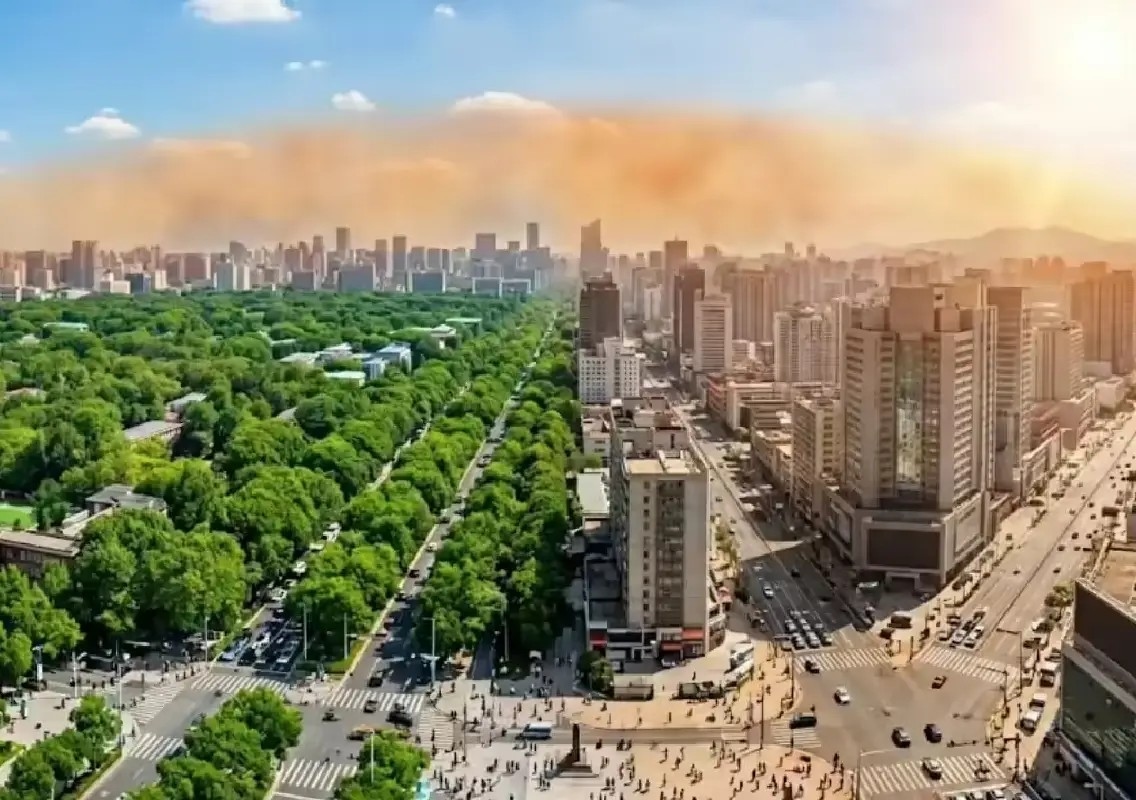


As cities around the world invest heavily in tree-planting campaigns to tackle rising temperatures, new research suggests that planting more trees alone may not always be the best solution.
A study comparing urban environments in Melbourne, Munich and Hong Kong found that the way vegetation is designed and arranged can have a greater impact on cooling cities than the number of trees planted.
Layered greenery offers better cooling
Researchers discovered that combining trees with shrubs and ground cover—known as layered vegetation—often reduced heat stress more effectively than planting trees alone.
In Munich, areas with layered vegetation lowered afternoon heat stress by nearly 8°C compared to more open spaces. Melbourne also recorded significant benefits, with street trees reducing radiant heat exposure by more than 18°C for pedestrians.
The findings suggest that well-planned green spaces can make cities considerably more comfortable during extreme heat events.
Why more trees are not always better
The study also highlighted potential drawbacks of dense vegetation in certain environments.
In humid cities such as Hong Kong, thick vegetation sometimes increased humidity levels, making outdoor conditions feel warmer and less comfortable despite the additional shade.
Researchers also found that dense planting in narrow streets could restrict airflow, trapping heat and reducing ventilation.
Climate-smart urban planning needed
The authors stressed that cities should avoid adopting a one-size-fits-all approach to urban greening. Instead, planners should consider local climate, street design, airflow and vegetation structure when developing cooling strategies.
Rather than focusing solely on tree-planting targets, experts recommend measuring success through the quality, placement and design of urban green spaces.
Building cooler cities for the future
As climate change continues to intensify heatwaves and urban heat island effects, researchers say cities will need smarter, locally tailored greening solutions to remain liveable.
The study concludes that climate-smart green infrastructure can play a vital role in improving public comfort, reducing heat stress and enhancing urban resilience in the years ahead.