







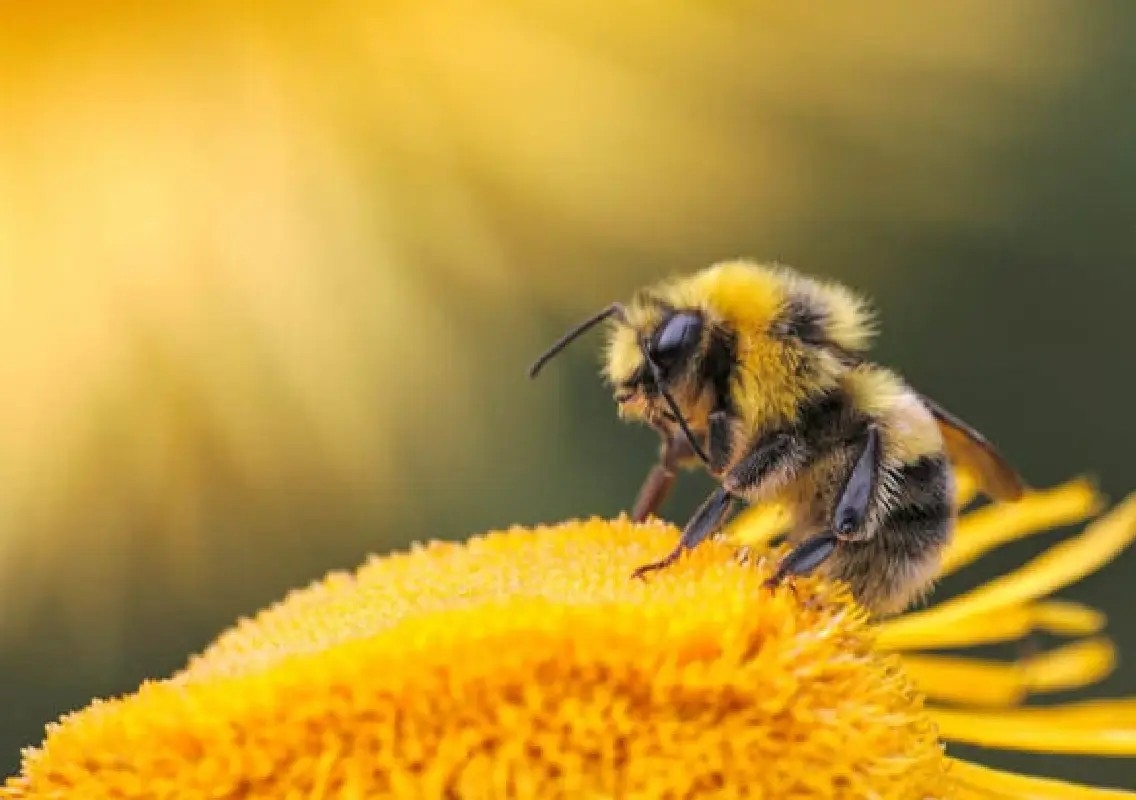


World Bee Day is being observed globally today to raise awareness about the critical role bees and other pollinators play in maintaining ecosystems, food security, and human livelihoods.
Observed annually since 2018, World Bee Day was established by the United Nations following a proposal led by Slovenia with support from Apimondia.
Why World Bee Day is celebrated
The observance aims to highlight the growing threats faced by bees, pollinators, and other beneficial insects whose populations are declining globally due to climate change, habitat loss, pesticides, pollution, and unsustainable agricultural practices.
The date, May 20, marks the birth anniversary of Anton Janša, widely regarded as a pioneer of modern beekeeping.
Bees are considered essential for pollinating crops, maintaining biodiversity, and supporting global food systems. Experts estimate that nearly one-third of the world’s food production depends directly or indirectly on pollinators.
Theme for World Bee Day 2026
This year’s theme is:
“Bee together for people and the planet – A partnership that sustains us all”
The theme focuses on the centuries-old relationship between humans and bees and highlights how sustainable beekeeping can support rural livelihoods, biodiversity, and environmental resilience.
The campaign also emphasises the role of traditional ecological knowledge alongside modern scientific innovations in improving bee health and protecting pollinator habitats.
Global events and awareness campaigns
Several international events are being organised as part of World Bee Day 2026, including the Third International Forum for Action on Sustainable Beekeeping and Pollination in Maribor, Slovenia.
Awareness campaigns are also being held in Geneva, Rome, and other cities worldwide to promote pollinator conservation and sustainable agriculture.
The observance aligns closely with the International Year of Rangelands and Pastoralists 2026 and the International Year of the Woman Farmer 2026, drawing attention to the role of beekeeping in supporting women, youth, and rural communities.
Simple ways people can help bees
Environmental experts say individuals can contribute to pollinator conservation through simple everyday actions such as:
- Planting pollinator-friendly flowers
- Reducing harmful pesticide use
- Supporting local honey producers
- Creating nesting spaces for bees
- Choosing sustainable and organic food products
Conservationists stress that protecting bees is not only important for nature but also essential for food systems, livelihoods, and long-term environmental sustainability.