







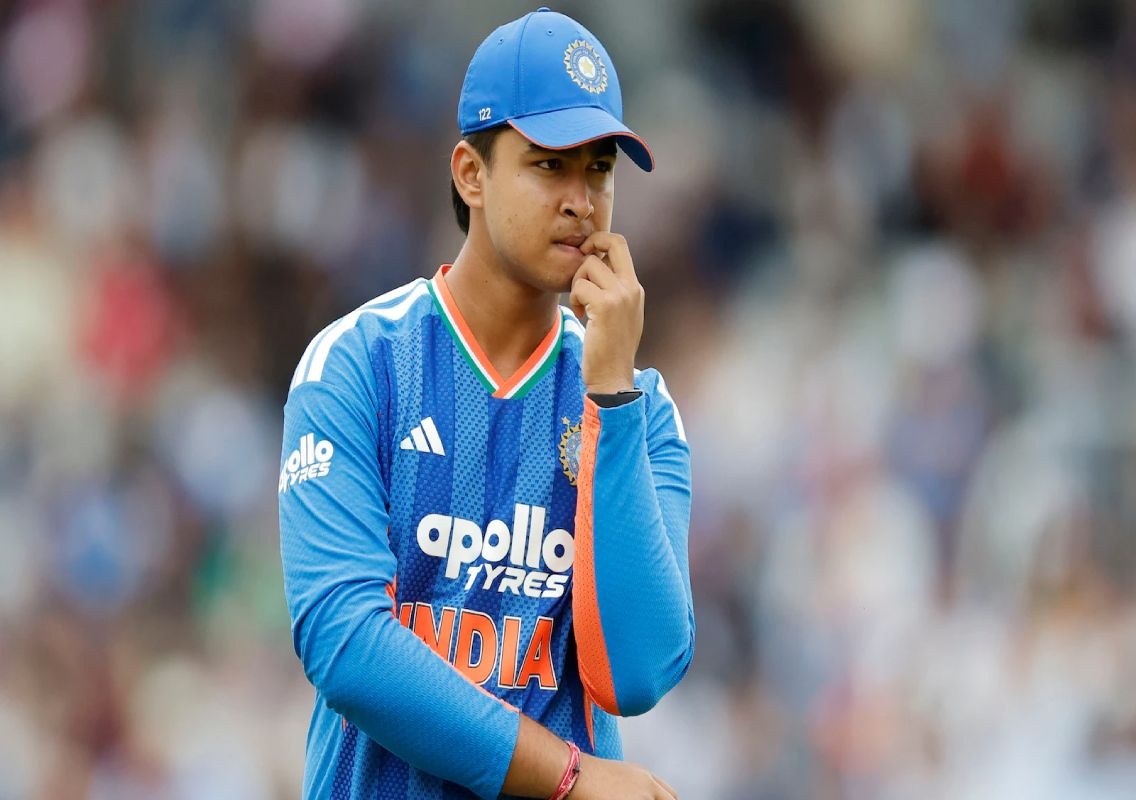


Chennai: Former India spinner Ravichandran Ashwin has clarified his recent remark about young batter Vaibhav Sooryavanshi, stating that his suggestion that the teenager could “serve drinks” if not in the playing XI was not intended in a derogatory manner. The comment had sparked debate among fans and experts, with some interpreting it as harsh criticism of the 15-year-old rising star.
Ashwin, however, explained that his statement was meant to emphasise the importance of learning and growth, particularly for a young cricketer at the beginning of his international journey. Speaking on his YouTube channel, the veteran off-spinner said the idea was to encourage patience and development rather than immediate expectations.
Focus on learning, not criticism
“I had said earlier that Vaibhav Sooryavanshi can spend time, can serve someone drinks, can sit outside. It was not in a derogatory manner,” Ashwin clarified. He added that being around the team environment, even without playing every match, can provide invaluable experience for a youngster.
According to Ashwin, Sooryavanshi is at a stage where observation and gradual exposure to high-level cricket can significantly enhance his skills. “He has such a huge learning curve to go through that if he observes it while sitting outside, he’ll become even better. Let him evolve — he will be a phenomenal player,” he said.
The spinner also urged fans and analysts to avoid rushing to conclusions about team selection or labelling the youngster prematurely, stressing the importance of long-term development over short-term results.
Mixed performances spark discussion
Sooryavanshi recently made his debut during the T20I series against England cricket team, where he faced a tough challenge against express pace, particularly from Jofra Archer. The young batter struggled against short-pitched deliveries and was dismissed while attempting to counter the pace and bounce.
However, his performances against the Zimbabwe cricket team painted a different picture. Sooryavanshi showcased his potential by scoring two half-centuries, underlining his talent and ability to adapt.
Ashwin pointed out that such fluctuations are natural in international cricket, especially for someone so young and inexperienced. He emphasised that even the greatest players have had their share of weaknesses.
Comparisons and expectations addressed
Drawing comparisons with legends, Ashwin mentioned Ricky Ponting to highlight that no player is immune to technical challenges. “Who do you think is the strongest batsman against the short ball? Ricky Ponting? Did he never get out on a short ball? He got out too,” Ashwin remarked.
He further explained that identifying strengths and working on weaknesses is a continuous process in cricket. “Show your strengths, hide your weaknesses, and keep working on them behind the scenes,” he advised.
Ashwin also cautioned against writing off young players based on a few performances. “We can’t write his obituary immediately. Can’t write someone off just like that,” he added, urging patience from fans and selectors alike.
Pressure of early success
The off-spinner also touched upon the pressure that comes with early success. Sooryavanshi’s impressive performances in domestic leagues and the IPL have raised expectations significantly, leading to comparisons with established stars like Virat Kohli and Rohit Sharma.
“He’s such a young kid. The problem is, we rate him so highly; he performed so well in the IPL, expectations skyrocketed. We expect him to perform like Virat Kohli or Rohit Sharma every match. That’s not how it works,” Ashwin said.
He reiterated that inconsistency is a natural part of a cricketer’s journey, especially in the early stages of their career. “There will be ups and downs in life, in cricket too,” he added.
Conclusion
Ashwin’s clarification aims to shift the narrative from criticism to constructive guidance. His remarks underline the importance of patience, learning, and gradual development for young talents like Vaibhav Sooryavanshi. As the youngster continues to gain exposure at the highest level, the focus remains on nurturing his potential rather than burdening him with unrealistic expectations.