







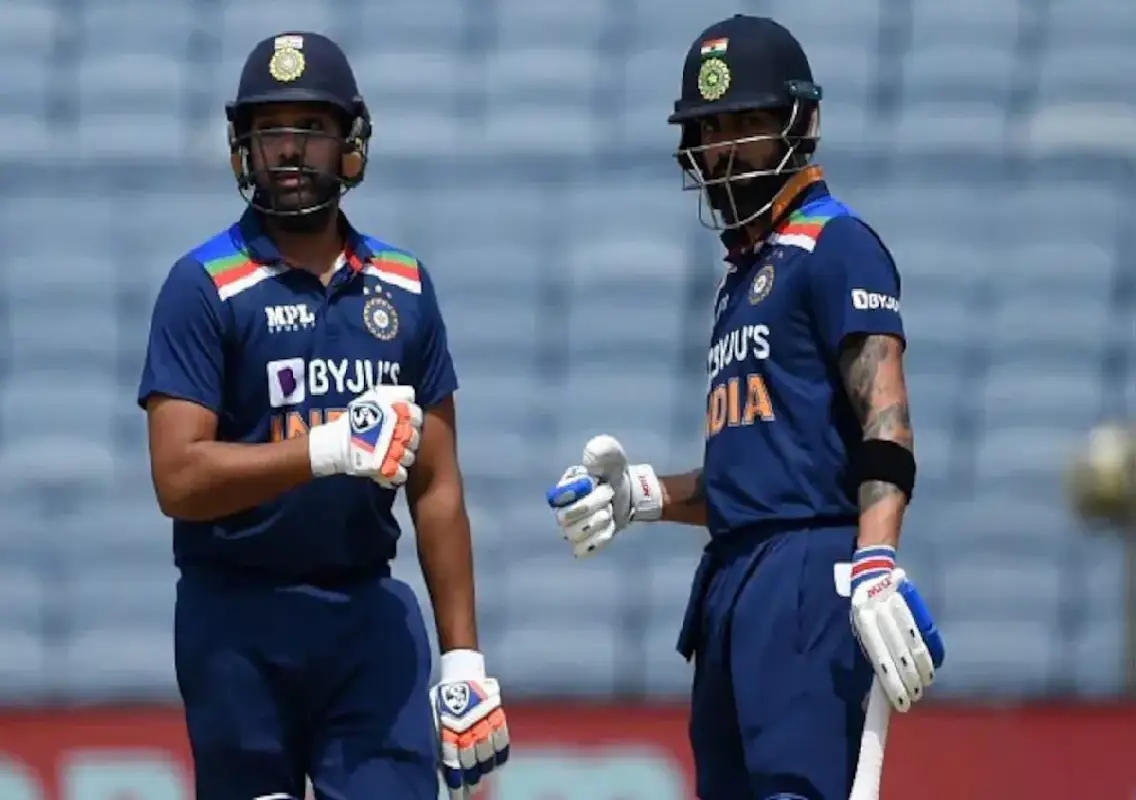


New Delhi: The Board of Control for Cricket in India (BCCI) has announced the annual central contracts for the Senior Men’s and Senior Women’s teams for the 2025–26 season, with major changes including the removal of the A+ grade and the demotion of senior stars Virat Kohli and Rohit Sharma to Grade B.
The new contract cycle will run from October 1, 2025 to September 30, 2026. A total of 30 senior men’s cricketers and 21 senior women’s cricketers have been awarded central contracts across three grades — A, B and C. The board has not yet officially confirmed whether the retainership amounts will change from the previous cycle.
In a significant structural shift, the BCCI has done away with the A+ category. Only three players — Shubman Gill, Jasprit Bumrah and Ravindra Jadeja — have been placed in Grade A, which is now the highest tier.
No A+ grade in revised contract structure
In the previous contract list, the A+ category represented the top bracket and included players like Virat Kohli, Rohit Sharma, Jasprit Bumrah and Ravindra Jadeja, each earning Rs 7 crore annually. With the A+ bracket removed, the grading system has been compressed.
Based on the last declared payment structure, Grade A players earned Rs 5 crore per year, Grade B players Rs 3 crore, and Grade C players Rs 1 crore. The BCCI is yet to clarify whether the same retainership figures will continue for the 2025–26 cycle or be revised.
The removal of the A+ category indicates a performance-and-format based recalibration, with greater weight given to multi-format availability and recent match participation.
Why Kohli and Rohit moved to Grade B
Virat Kohli and Rohit Sharma have both been placed in Grade B for the new season. The shift is understood to be linked to their current status as one-format players after stepping away from certain international formats.
As per BCCI contract norms followed in recent years, players active across formats and playing a higher volume of matches are more likely to be retained in the top grade. With both Kohli and Rohit no longer featuring across all formats, they do not meet the criteria for the highest bracket under the revised structure.
Despite the downgrade in contract grade, both remain central figures in India’s limited-overs plans and continue to be among the most experienced names in the squad.
Men’s central contracts: Full grade-wise list
Grade A (Top tier):
Shubman Gill, Jasprit Bumrah, Ravindra Jadeja
Grade B:
Washington Sundar, Rohit Sharma, Virat Kohli, KL Rahul, Mohammed Siraj, Hardik Pandya
Grade C:
Axar Patel, Tilak Varma, Rinku Singh, Shivam Dube, Sanju Samson, Arshdeep Singh, Prasidh Krishna, Akash Deep, Dhruv Jurel, Harshit Rana, Varun Chakravarthy, Nitish Kumar Reddy, Abhishek Sharma, Sai Sudharsan, Ravi Bishnoi, Ruturaj Gaikwad
The Grade C list reflects a strong presence of emerging and format-specialist players who have featured prominently in T20Is and ODIs over the past season.
Women’s central contracts also updated
The BCCI also announced central contracts for 21 women cricketers across three grades. The women’s contract structure remains unchanged in terms of categories — A, B and C — with retainership amounts currently set at Rs 50 lakh, Rs 30 lakh and Rs 10 lakh respectively.
Grade A (Women):
Harmanpreet Kaur, Smriti Mandhana, Deepti Sharma, Jemimah Rodrigues
Jemimah Rodrigues has been promoted from Grade B to Grade A following her strong performances, including a key knock in a major ICC tournament semi-final against Australia.
Grade B (Women):
Includes Sneh Rana — who has been promoted — along with Shafali Verma, Richa Ghosh and Renuka Singh Thakur among others.
Grade C (Women):
Thirteen players have been slotted in this category, largely comprising developing and rotational squad members.
Contracts linked to performance and match volume
The BCCI’s central contract system is based on a mix of performance, consistency and the volume of international matches played in the preceding season. Selection across formats, fitness status and team role are also considered.
The latest reshuffle signals a transition phase in Indian cricket, with younger multi-format players like Shubman Gill moving into the top bracket, while senior players see grade changes aligned with their format participation.
Conclusion
The 2025–26 central contract list marks one of the most notable restructurings in recent years, highlighted by the removal of the A+ grade and the repositioning of senior icons into lower brackets. With a stronger emphasis on format availability and recent contribution, the BCCI appears to be aligning contracts more closely with current team composition and future planning.