







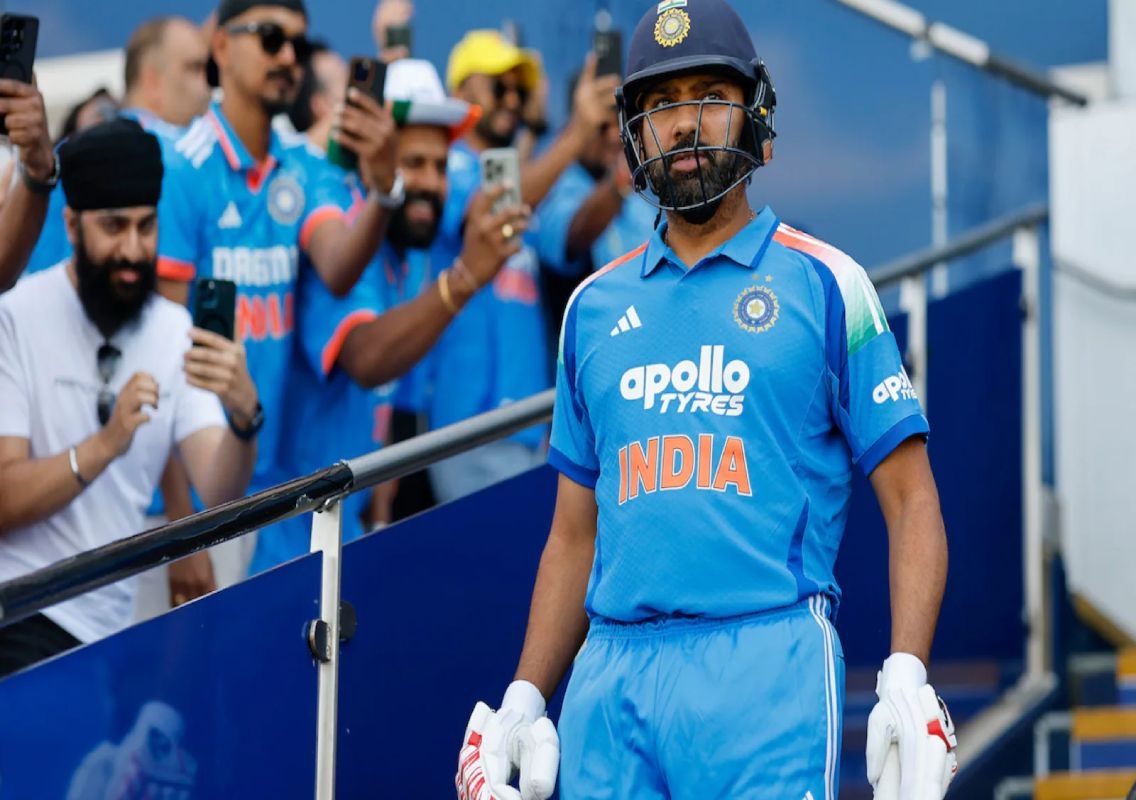


New Delhi: The Board of Control for Cricket in India (BCCI) has reportedly expressed strong displeasure over internal information being leaked to the media amid ongoing speculation surrounding Rohit Sharma’s ODI future. The development comes at a time when Indian cricket is witnessing intense debate over the veteran opener’s place in the team ahead of the 2027 ODI World Cup.
BCCI sends clear message to selectors
According to reports, the BCCI has instructed members of the national selection committee to refrain from engaging with the media in any capacity. The move is aimed at preventing further leaks and controlling the narrative around team decisions, especially those concerning senior players.
The board’s reaction follows widespread reports suggesting that India’s third ODI against England at Lord’s Cricket Ground could be Rohit Sharma’s final appearance in the format. However, BCCI secretary Devajit Saikia has already dismissed such claims, stating that no such decision has been taken.
The directive reflects the board’s intent to maintain confidentiality and avoid unnecessary speculation that could impact team morale and public perception.
Speculation intensifies after England ODI loss
The rumours gained momentum after India’s defeat to the England cricket team in the second ODI at Cardiff. The loss, coupled with Rohit Sharma’s modest scores of 11 and 26 in the first two matches, led to renewed scrutiny of his form and future.
While such speculation is not uncommon in Indian cricket, the timing and scale of the reports have raised concerns within the BCCI. The narrative quickly shifted from match performance to long-term selection decisions, overshadowing the ongoing series.
Sources indicate that the situation remains fluid, with no official confirmation regarding any major changes to the squad or leadership structure.
Rohit Sharma’s form under scanner
Rohit Sharma’s recent performances have been a key factor in the ongoing debate. In his last eight ODI innings, he has scored 241 runs at an average of 30.12, with a strike rate of 88.60. While these numbers are not poor by general standards, they fall short of the high expectations set by the experienced opener.
Such statistics have reportedly led some selectors to reconsider his role in the team, particularly with an eye on the future. However, others believe that his experience and leadership remain crucial, especially in high-pressure tournaments.
Despite the criticism, Rohit continues to be one of India’s most accomplished ODI players, with a career spanning over 15 years and multiple record-breaking performances.
Internal discussions and differing views
Reports suggest that there have been internal discussions between selectors and Rohit Sharma regarding his future. It is understood that some members of the selection committee had indicated that he might not feature in long-term plans before the Afghanistan series.
India head coach Gautam Gambhir was also reportedly involved in these discussions, highlighting the seriousness of the matter. However, Rohit was eventually included in both the Afghanistan and England series after engaging with the top leadership of the BCCI.
This sequence of events points to differing viewpoints within the system, with no unanimous decision having been reached so far.
Focus shifts to 2027 ODI World Cup
At the centre of the debate is Rohit Sharma’s ambition to play in the 2027 ODI World Cup, which will be hosted by South Africa, Zimbabwe and Namibia. The tournament represents a significant milestone, and Rohit is believed to be keen on being part of India’s campaign.
However, with less than two years remaining, selectors are under pressure to build a squad that balances experience with youth. Emerging players are pushing for opportunities, making selection decisions more complex.
The coming months are expected to be crucial in determining whether Rohit can maintain his place in the team and continue his journey towards another World Cup.
BCCI aims to control narrative
The BCCI’s directive to selectors underscores a broader effort to manage communication and maintain discipline within the organisation. By limiting media interactions, the board aims to prevent premature disclosures and ensure that official announcements are made through appropriate channels.
In a cricketing landscape where speculation can quickly influence public opinion, controlling the narrative becomes essential. The board’s stance indicates a desire to focus on performance and internal processes rather than external noise.
Conclusion
The controversy surrounding Rohit Sharma’s ODI future highlights the challenges of managing transitions in Indian cricket. While speculation and debate are inevitable, the BCCI has made it clear that decisions will not be driven by rumours or leaks.
For now, Rohit remains part of India’s plans, and his performances in the ongoing series could play a significant role in shaping the next phase of his career. As Indian cricket looks ahead to major global events, clarity, communication, and consistency will be key to navigating this period of change.