







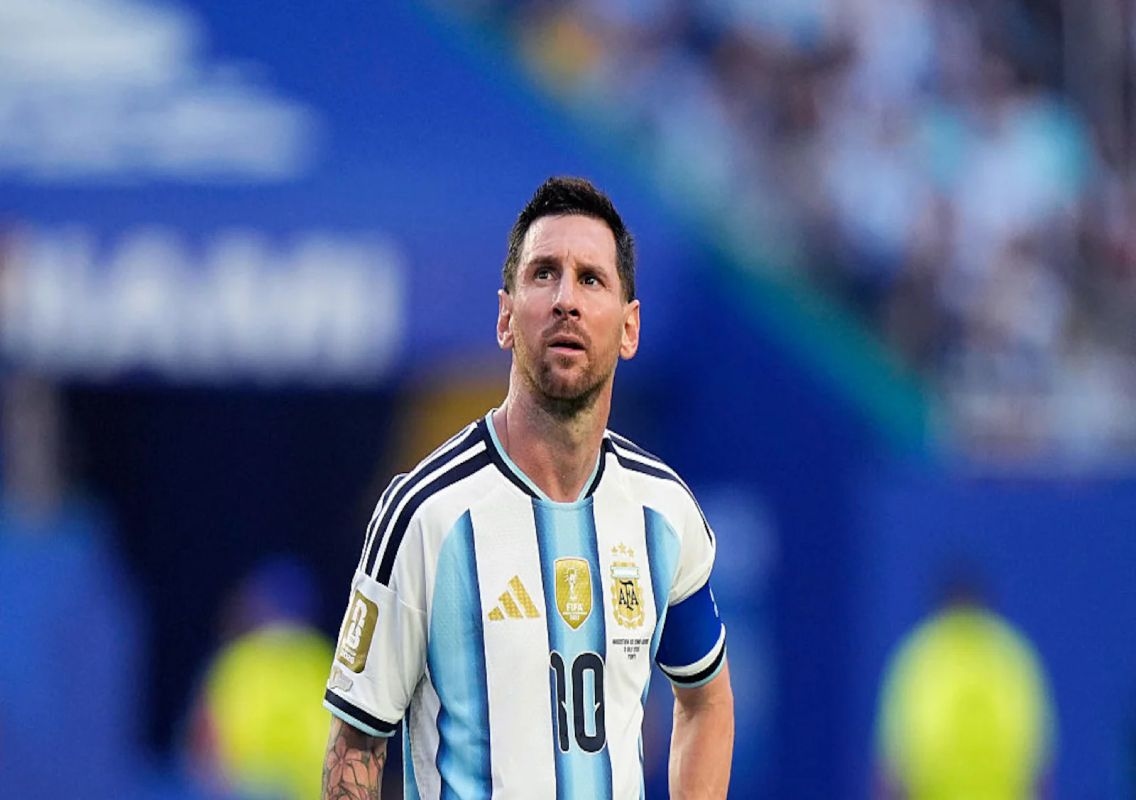


Cairo: Egypt’s dramatic 3-2 defeat against Argentina in the FIFA World Cup 2026 Round of 16 has turned into one of the most debated matches of the tournament after the Egyptian camp questioned the fairness of several refereeing decisions. The controversy intensified after Egypt coach Hossam Hassan alleged that “external factors” influenced the outcome and claimed that Argentina and Lionel Messi received favourable treatment during the knockout clash.
The match itself was a thrilling encounter, with Egypt producing a stunning performance against the defending champions before Argentina completed a dramatic comeback. However, the result has been overshadowed by complaints regarding VAR decisions, penalty appeals and the overall officiating during the game.
Egypt accuse officials of influencing the result
Egypt appeared to be heading towards one of the biggest upsets in World Cup history after taking a 2-0 lead against Argentina. The African side controlled large parts of the match and frustrated the reigning champions, but Argentina’s quality and experience eventually helped them turn the game around.
After the final whistle, Egypt coach Hossam Hassan expressed his disappointment and suggested that the result was influenced by factors beyond football. He claimed that Argentina received support because of their status as defending champions and because of Lionel Messi’s presence in the tournament.
“Perhaps they wanted to keep the world champion in the competition. Perhaps they wanted Messi to stay in the running,” Hassan said while addressing the media.
The comments immediately created debate among fans and experts, with many discussing whether Egypt had genuine grievances or whether the frustration came from the disappointment of losing a closely fought knockout match.
VAR decisions become major talking point
The biggest controversy surrounded Egypt’s disallowed goal during the match. Egypt had scored what appeared to be a crucial second goal after a quick counter-attack, which would have given them a stronger advantage against Argentina.
However, the Video Assistant Referee intervened and asked the referee to review an earlier incident in the build-up. The referee eventually ruled that an Egyptian player had committed a foul several seconds before the goal, resulting in the strike being cancelled.
Egypt argued that the incident occurred far away from the goal-scoring action and should not have affected the validity of the goal. The decision became a major talking point because the foul was identified much earlier in the move, leading critics to question whether VAR had extended its involvement too far.
The Egyptian camp also highlighted a penalty appeal involving Mohamed Salah. They believed Salah was fouled inside the penalty area after physical contact from an Argentine defender, but the referee allowed play to continue and VAR did not recommend a review.
According to Egypt’s players and coaching staff, the contrast between the two decisions showed inconsistency in the use of technology. They argued that VAR intervened to cancel their goal but did not act when they believed a penalty should have been awarded.
Argentina complete remarkable comeback
Despite the controversy, Argentina showed their championship experience by fighting back after falling behind. Lionel Messi had an opportunity from the penalty spot earlier in the match but saw his effort saved, giving Egypt further confidence.
However, Argentina continued pushing forward and eventually found the breakthrough. Their attacking pressure increased as the match progressed, and they completed a memorable comeback with Enzo Fernandez scoring the decisive goal in stoppage time.
The victory sent Argentina into the quarter-finals and kept their hopes alive of defending their World Cup title. For Egypt, the defeat ended a historic campaign where they had competed strongly against one of world football’s strongest teams.
Debate continues over refereeing standards
The controversy surrounding the match has renewed discussions about VAR and decision-making in major football tournaments. Supporters of Egypt believe the officials made crucial mistakes that affected the final result, while others argue that the refereeing decisions were within the rules of the game.
Football authorities have not indicated that the result will be reviewed, and Argentina remain through to the next stage of the competition. However, the accusations from the Egyptian camp have added another layer of drama to a tournament already filled with memorable moments.
The match will likely be remembered not only for Argentina’s incredible comeback but also for the debate surrounding officiating, fairness and the role of technology in modern football. Egypt’s performance earned widespread praise despite their elimination, while Argentina moved forward with their title defence intact.
Conclusion
Argentina’s dramatic victory over Egypt produced one of the most entertaining matches of the FIFA World Cup 2026, but the aftermath has been dominated by controversy. While Egypt believe they were denied justice, Argentina’s resilience ensured they survived a major challenge. The debate over VAR decisions may continue, but the defending champions remain one step closer to another World Cup triumph.