







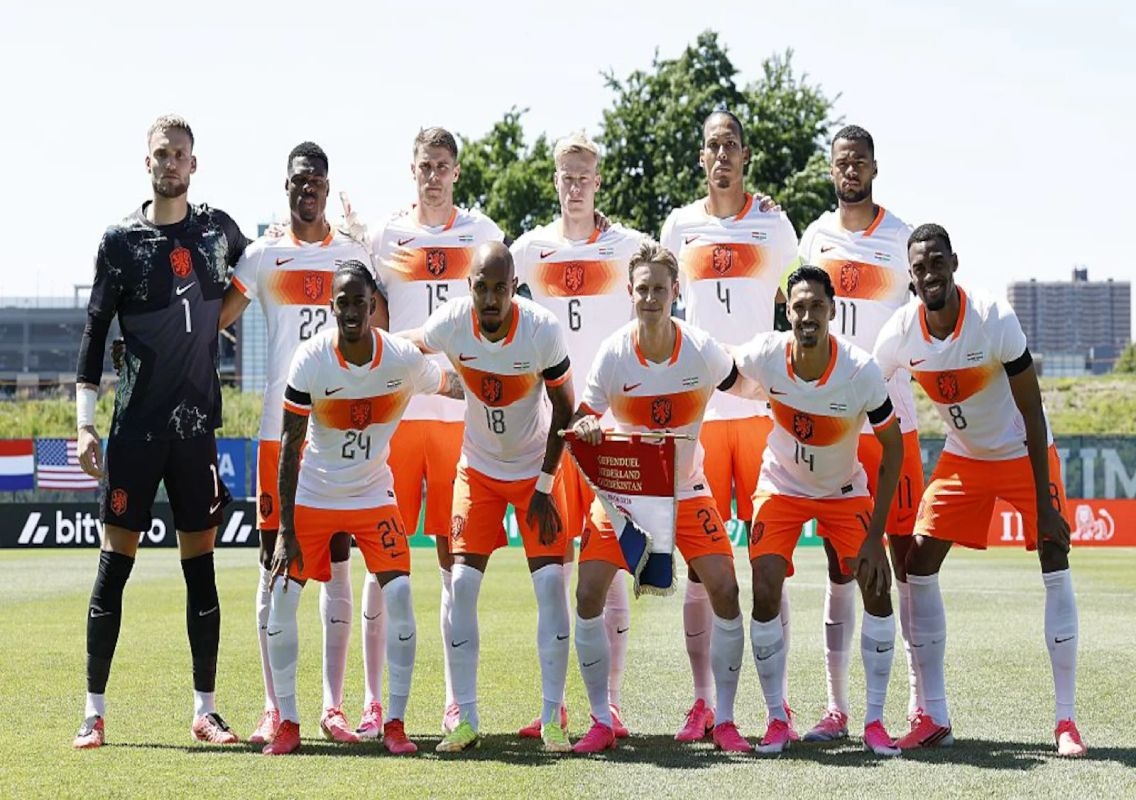


New York: Group F of the FIFA World Cup 2026 is shaping up to be one of the most competitive and unpredictable groups in the tournament, featuring the Netherlands, Japan, Sweden and Tunisia. While the Netherlands enter as favourites on paper, the presence of disciplined and tactically strong sides like Japan and Sweden makes the race for qualification to the Round of 32 extremely tight.
Unlike groups with clear favourites and underdogs, Group F offers a balanced mix of European strength, Asian resilience and African unpredictability, ensuring that every match could play a decisive role in determining the final standings.
Netherlands lead but face stiff challenge
New York: The Netherlands, under the guidance of head coach Ronald Koeman, arrive at the World Cup with strong credentials. Their impressive run to the semi-finals of Euro 2024 reaffirmed their status as one of Europe’s elite teams. Additionally, their unbeaten qualification campaign further strengthened their reputation as serious contenders.
Historically, the Dutch have been dominant in the group stages of the World Cup, remaining unbeaten in this phase since 1994. Known for their attacking philosophy and structured gameplay, the Netherlands will look to assert control early in the group.
However, the competition in Group F means they cannot afford complacency, as both Japan and Sweden have the capability to disrupt their campaign.
Japan and Sweden ready to challenge
New York: Japan have built a reputation as one of the most tactically disciplined teams in international football. Over recent years, they have consistently punched above their weight, registering notable wins against top European sides in major tournaments.
With a well-organised midfield and quick transitions, Japan are capable of troubling even the strongest opponents. Their ability to execute game plans with precision makes them a serious contender for a knockout-stage spot.
Sweden, on the other hand, bring physicality, experience and attacking flair. With a history of strong performances in international tournaments, they possess players who can change the outcome of matches single-handedly. Their balanced approach, combining defensive solidity with attacking threat, makes them a formidable opponent.
The clash between Japan and Sweden could prove to be a decisive fixture in determining the group standings.
Tunisia aim to spring surprises
New York: Tunisia may not be considered favourites, but they should not be underestimated. The North African side has a track record of causing upsets and will be eager to make a mark on the global stage.
With a squad comprising experienced professionals and emerging talents, Tunisia have the tools to challenge stronger teams. Their disciplined defensive structure and ability to capitalise on counter-attacks could make them a dangerous opponent in this group.
Match schedule (IST)
New York: The Group F fixtures promise high-intensity football across multiple venues in the United States and Mexico.
- June 15, 2026: Netherlands vs Japan at AT&T Stadium, Arlington – 1:30 AM IST
- June 15, 2026: Sweden vs Tunisia at Estadio BBVA, Monterrey – 7:30 AM IST
- June 20, 2026: Netherlands vs Sweden at NRG Stadium, Houston – 10:30 PM IST
- June 21, 2026: Tunisia vs Japan at Estadio BBVA, Monterrey – 2:30 AM IST
- June 26, 2026: Japan vs Sweden at AT&T Stadium, Arlington – 4:30 AM IST
- June 26, 2026: Tunisia vs Netherlands at Arrowhead Stadium, Kansas City – 4:30 AM IST
Each fixture holds significant importance, and with matches scheduled closely, teams will need to manage fitness and squad rotation effectively.
Key players to watch
New York: Individual brilliance could play a crucial role in such a closely contested group.
Virgil van Dijk of the Netherlands remains one of the most commanding defenders in world football. His leadership and defensive organisation will be vital for his team.
Frenkie de Jong’s ability to control the midfield and dictate play makes him indispensable for the Dutch side. His vision and passing can unlock even the most compact defences.
Japan’s Wataru Endo is known for his relentless work rate and defensive contributions, acting as the backbone of the team’s midfield.
For Sweden, Alexander Isak will be a key figure in attack. His pace and finishing ability can trouble any defence, making him a constant threat.
Tunisia’s Elyes Skhiri, with his tactical awareness and ball-winning abilities, will be central to his team’s hopes of causing an upset.
Prediction and expected standings
New York: Predicting outcomes in Group F is challenging due to the evenly matched teams. While the Netherlands are expected to top the group, the battle for the second spot is likely to be fiercely contested between Japan and Sweden.
Goal difference could ultimately play a decisive role in determining qualification, given the competitive nature of the group.
Predicted standings:
- Netherlands
- Japan
- Sweden
- Tunisia
Conclusion
New York: Group F stands out as one of the most intriguing groups at the FIFA World Cup 2026. With multiple teams capable of advancing, fans can expect closely fought matches, tactical battles and moments of individual brilliance.
While the Netherlands hold the edge on paper, Japan and Sweden are more than capable of upsetting expectations. Tunisia, too, could emerge as the dark horse of the group.
As the tournament unfolds, Group F is set to deliver drama, unpredictability and high-quality football, making it a must-watch for fans across the world.