







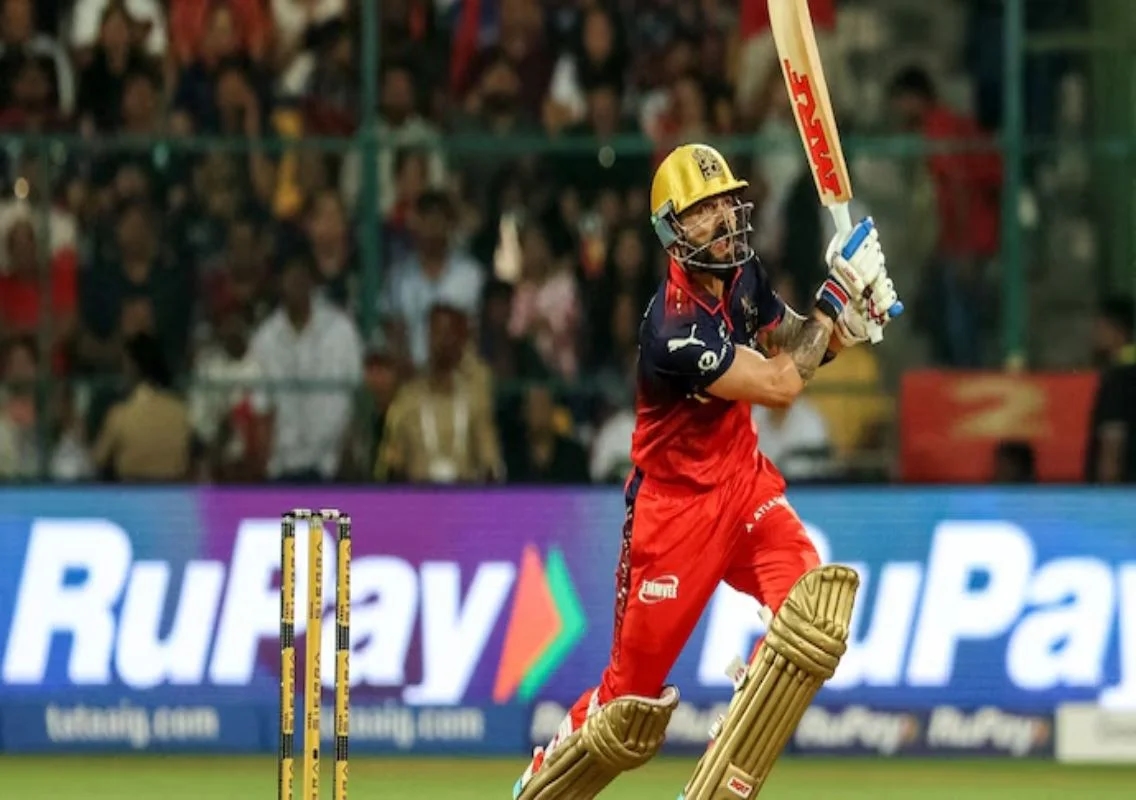


Bengaluru: A shift away from the demands of Test cricket appears to have transformed Virat Kohli into a more aggressive and dynamic T20 batter, according to former India spinner Ravichandran Ashwin. The observation came after Royal Challengers Bengaluru’s (RCB) win over Chennai Super Kings (CSK) in the Indian Premier League (IPL), where Kohli provided a brisk start with 28 runs off 18 balls.
Kohli’s innings, though short, was impactful. It included a striking no-look six—an example of the innovation and freedom that has become more visible in his batting since stepping away from the longest format. The innings helped RCB gain early momentum in a high-pressure clash at the M Chinnaswamy Stadium.
A noticeable shift in batting approach
Speaking after the match, Ashwin highlighted a key technical and mental shift in Kohli’s batting approach since his retirement from Test cricket.
According to Ashwin, Kohli’s technique during his Test-playing phase in 2024 was characterised by stillness and control. His head position remained steady, foot movement was measured, and his bat swing was restrained—traits essential for success in red-ball cricket.
However, by 2026, that approach has evolved.
Ashwin explained that Kohli now employs a more dynamic backlift. Instead of keeping the bat static, he allows it to move more freely—dropping it initially and then lifting it before playing a shot. This creates what cricketers refer to as “potential energy,” enabling quicker bat speed and better shot execution.
This change, Ashwin noted, has allowed Kohli to access a wider range of strokes and play with greater attacking intent in the shortest format.
Freedom from Test cricket demands
One of the biggest factors behind this transformation is the mental shift that comes with not playing Test cricket. The longest format demands discipline, patience, and tight control over shot selection—often restricting flamboyance.
Without those constraints, Kohli appears more willing to take risks and express himself at the crease.
Ashwin pointed out that earlier, Kohli had to “control his hands” to maintain consistency in Tests. Now, he is freer in his strokeplay, allowing him to go after the ball and target boundaries more frequently.
This freedom is particularly valuable in T20 cricket, where quick scoring and adaptability are crucial.
Impact on strike rate and power
Former India all-rounder Irfan Pathan also weighed in on Kohli’s improved strike rate, attributing it to the enhanced backlift and resulting momentum.
Pathan explained that when a batter remains completely still before the bowler delivers the ball, generating power becomes more difficult. In contrast, Kohli’s new approach—bringing the bat down and then lifting it—creates natural momentum.
This momentum translates into:
- Greater bat speed
- Improved timing
- Increased power in shots
- Higher strike rate
These elements are essential in modern T20 cricket, where even small technical tweaks can significantly impact scoring rates.
Evolution of a modern T20 batter
Kohli’s transformation reflects a broader trend in T20 cricket, where adaptability and innovation are key. Even established players must evolve to keep pace with changing formats and expectations.
His ability to reinvent his game after stepping away from Test cricket highlights his versatility and commitment to staying relevant in the shortest format.
The inclusion of unconventional shots, such as the no-look six, indicates growing confidence and a willingness to experiment—traits often associated with younger T20 specialists.
What lies ahead
Kohli will next be seen in action when RCB take on Rajasthan Royals in Jaipur on April 10. With his current form and refreshed approach, expectations will be high for another impactful performance.
Conclusion
Virat Kohli’s post-Test evolution underscores how format-specific demands shape a cricketer’s technique and mindset. As explained by Ravichandran Ashwin, stepping away from Test cricket has allowed Kohli to loosen his approach, generate more power, and improve his strike rate in T20s.
If this trend continues, Kohli could remain a dominant force in the IPL and T20 cricket, redefining his legacy in the shortest format.