


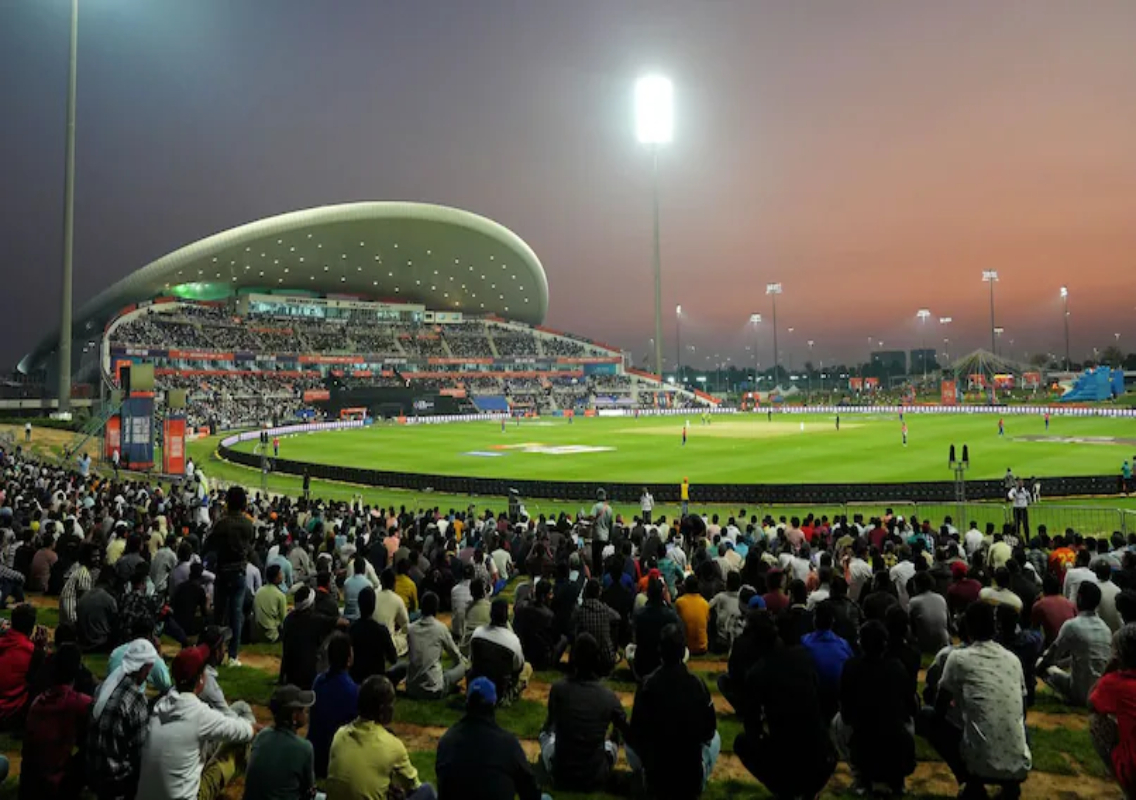


New Delhi: The International Cricket Council (ICC) is considering a series of stricter regulations for T20 franchise leagues across the world, with the proposed changes potentially forcing competitions such as the UAE’s International League T20 (ILT20) and the United States-based Major League Cricket (MLC) to rethink their team compositions and operational models.
The recommendations have been put forward by the ICC’s franchise leagues review group and are expected to be discussed at the governing body’s quarterly meetings in Bali this weekend. The proposals cover overseas player limits, league approvals, sponsorship arrangements and anti-corruption measures.
The recommendations are not final regulations. They will need to be considered by the ICC’s committees and board before any changes can be implemented.
Four overseas players could be the proposed limit
One of the most significant recommendations is to ensure that existing franchise leagues comply with the ICC’s overseas player restrictions. The proposal could bring the number of overseas players in a playing XI down to four.
The move could have a considerable impact on ILT20 and MLC, which were granted exemptions when the ICC introduced overseas player regulations for new franchise competitions in 2023.
ILT20 currently allows teams to field up to nine overseas players in their playing XI, including at least one player from an Associate Member nation. MLC permits up to six overseas players in its playing XI.
A reduction to four would require both competitions to give more opportunities to locally developed cricketers. It could also force franchises to reconsider their recruitment strategies and the balance of their squads.
The Indian Premier League (IPL) and Australia’s Big Bash League (BBL), in contrast, operate with more restrictive overseas-player provisions, creating greater opportunities for domestic players in their playing XIs.
Why ILT20 and MLC could face a bigger challenge
The proposed restriction could be particularly significant for ILT20 and MLC because international players are an important part of their appeal.
Both competitions have relied on established overseas cricketers to attract audiences, sponsors and investment. Their player recruitment models have been built around the availability of international talent, making a substantial reduction in overseas slots a potential challenge.
ILT20’s allowance of up to nine overseas players has helped the league attract cricketers from established international teams. MLC has also relied on overseas stars as it works to build a stronger cricket following in the United States.
If the proposed four-player limit is approved, franchises may have to place greater emphasis on developing and signing domestic talent. The transition could affect team combinations and the commercial plans of investors who have committed resources to attracting international players.
The ownership structure of the two competitions also makes the proposal relevant to Indian cricket investors. Several ILT20 franchises have links with IPL or Women’s Premier League ownership groups, while multiple MLC teams also have connections with Indian franchise owners.
ICC wants greater oversight of league approvals
The review group has also recommended expanding the ICC’s authority over the approval and sanctioning of franchise leagues.
Under the existing framework, Full Member cricket boards can sanction domestic leagues within their territories. Competitions organised under Associate Member boards require additional ICC approval.
The proposed changes could give the ICC the power to review or audit approvals granted by Full Member boards. The governing body could intervene if a member board fails to meet its responsibilities while sanctioning a competition.
The recommendations also envisage the possibility of rejecting an application or withdrawing an existing sanction if serious integrity concerns emerge.
The move is aimed at creating a more consistent approval process. The review group has reportedly pointed out that the current regulations do not specify sufficiently detailed conditions that every domestic franchise league must satisfy.
Betting-related sponsorships under scrutiny
Another important recommendation concerns sponsorship agreements involving betting companies and their surrogate brands.
The ICC review group has proposed restricting sponsorship arrangements with companies that facilitate betting in countries where gambling is prohibited.
The concern is that such commercial partnerships could expose host cricket boards to the risk of indirectly facilitating illegal betting. The review group has also linked the issue to potential corruption risks and wider governance concerns.
If the proposal is approved, leagues may have to reassess certain sponsorship arrangements and ensure that their commercial partners comply with the applicable rules.
Stronger anti-corruption checks and approval fees
The proposed regulatory framework also seeks to strengthen anti-corruption oversight.
Under the recommendation, franchise leagues could be required to use the ICC’s Anti-Corruption Unit (ACU), or another integrity body approved by the governing council, as a condition for receiving sanction.
For competitions considered to carry a higher corruption risk, the ICC’s ACU could be engaged directly. The expenses would be borne by the league organisers on a not-for-profit basis.
However, applications could be rejected if organisers are unable to establish adequate safeguards.
The review group has also suggested introducing a fee for sanctioning franchise competitions. The money collected could help fund due diligence exercises and corruption investigations, giving the ICC additional resources to monitor the expanding franchise cricket circuit.
Other issues flagged by the review group
The group has raised several additional matters for discussion, including the possibility of standardising solidarity payments made by franchise leagues to the cricket boards of overseas players.
At present, such payments are negotiated between the respective boards. The review group has suggested considering a uniform fee, potentially calculated as a fixed percentage, to reduce differences and disputes between members.
The status of legends leagues involving retired cricketers has also been flagged. The group wants to examine whether these competitions could overlap with officially approved cricket involving active players.
Another issue under consideration is whether ICC member boards should face restrictions on the number of franchise leagues they can host. The stated concern is to protect the role of international cricket in developing and promoting the game globally.
ICC review group includes BCCI secretary
The franchise leagues review group was formed in July 2026. It is headed by former Bangladesh opener and current Bangladesh Cricket Board president Tamim Iqbal.
Other members include England and Wales Cricket Board chief executive Richard Gould, Cricket Australia chief executive Todd Greenberg and BCCI secretary Devajit Saikia.
The ICC’s chief executives’ committee is expected to deliberate on the recommendations before forwarding relevant proposals to the ICC Board for approval.
The discussions could mark an important step towards a common regulatory framework for franchise cricket. However, until the ICC reaches a final decision, leagues such as ILT20 and MLC will continue to operate under their existing approved arrangements.