


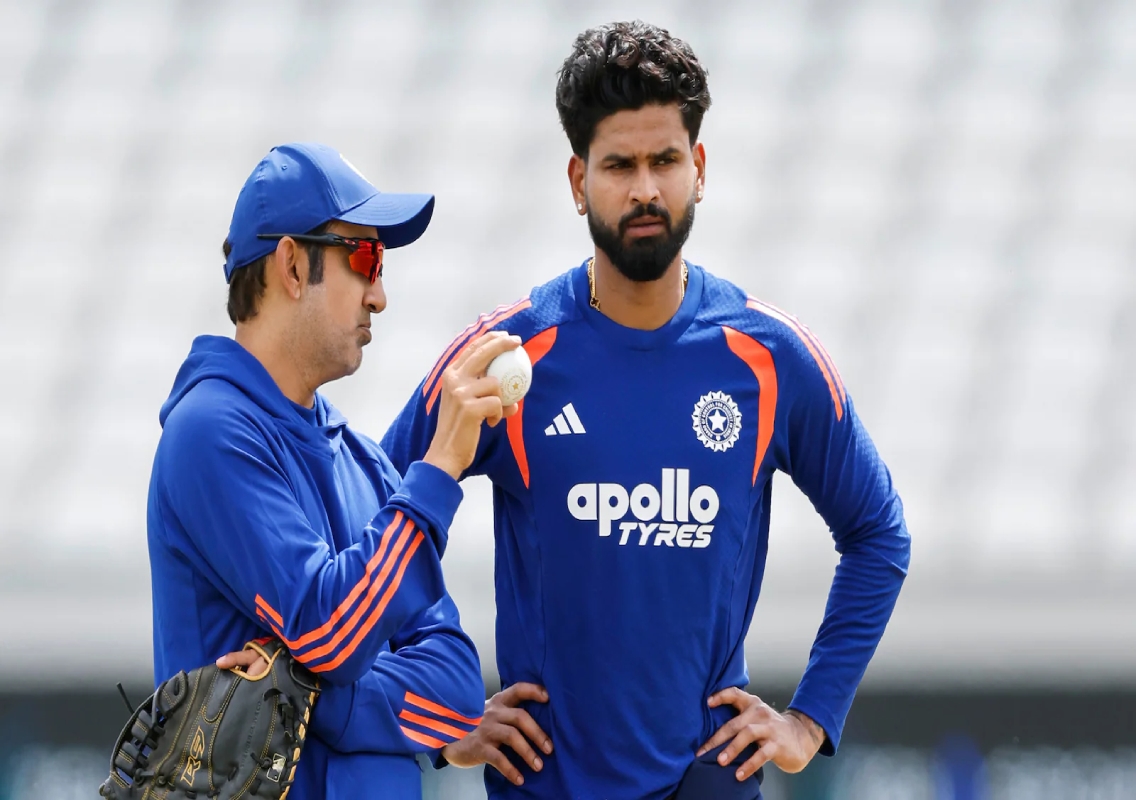


Christchurch: India face several important selection decisions ahead of the first T20 International against New Zealand on Thursday, October 22, with the spotlight extending beyond teenage batting sensation Vaibhav Sooryavanshi. Captain Shreyas Iyer and head coach Gautam Gambhir must settle the team’s batting combination, all-rounder balance and bowling attack as India begin their five-match series at Hagley Oval.
India have named a 16-member squad for the tour, combining established international players with emerging talent. While Sooryavanshi’s potential debut has generated considerable interest, the team management must also decide how to accommodate its wicketkeeping options, select the right mix of all-rounders and build a bowling attack suited to New Zealand conditions.
Vaibhav Sooryavanshi faces a wait for his opportunity
Sooryavanshi’s inclusion in the Indian T20I squad is one of the major talking points ahead of the series. The young left-handed batter has attracted attention for his aggressive approach and ability to score quickly, making him an exciting prospect for India’s future in the shortest format.
However, breaking into the playing XI will not be straightforward. Abhishek Sharma and Sanju Samson are the leading candidates to open the innings, leaving limited room for another specialist opener.
India’s team management must weigh the value of introducing a young player against the importance of maintaining a settled combination. Giving Sooryavanshi an opportunity could provide valuable international experience, but leaving him out would allow the established top order to continue in familiar roles.
The teenager’s inclusion in the squad does not guarantee a place in the starting XI. His opportunity will depend on the team’s tactical requirements and the combination selected for the opening match.
Ishan Kishan adds another selection dilemma
The presence of Ishan Kishan gives India another strong option in the top order. Like Samson, Kishan can also keep wickets, providing the management with flexibility when deciding the batting order.
However, accommodating all three players—Samson, Kishan and Sooryavanshi—would require careful planning. India must decide whether to prioritise an established opening partnership, introduce Kishan into the top order or make room for the teenage prospect.
Abhishek Sharma’s aggressive batting makes him a natural contender for an opening position. Samson also offers experience at the top, while Kishan provides another left-handed batting option and the ability to accelerate the scoring.
The challenge for Gambhir and Iyer is to select a combination that maximises the team’s scoring potential without leaving gaps in the middle order.
Shreyas Iyer’s role in shaping the middle order
Captain Shreyas Iyer will be central to India’s batting plans. His position in the middle order will influence how the team deploys its other specialist batters and all-rounders.
Tilak Varma is another important component of the lineup, offering left-handed batting and flexibility in the order. India must determine how best to combine these players with their aggressive opening options while retaining enough depth to handle early wickets.
The team’s all-rounder choices will also affect the middle order. Shivam Dube, Nitish Kumar Reddy, Axar Patel and Naman Dhir provide different combinations of batting and bowling ability.
Selecting too many specialist batters could weaken the bowling resources, while an excessive number of all-rounders might leave the top order short of experience. Finding the right balance will be one of the management’s key responsibilities.
Bhuvneshwar Kumar’s return puts the pace attack in focus
The availability of experienced fast bowler Bhuvneshwar Kumar adds another important dimension to India’s team selection.
Kumar has returned to the T20I setup after a lengthy absence from the format. His experience and ability to generate movement with the new ball could be valuable in Christchurch, where conditions may offer assistance to seam bowlers.
India must decide how to combine him with other pace options, including Arshdeep Singh, Prince Yadav and Mayank Yadav. Each selection will affect the team’s balance between new-ball movement, pace and options for the later overs.
Arshdeep’s fitness is also a consideration after he sustained a shoulder blow during the preceding T20I series against the West Indies. The team’s medical staff and management will need to assess his availability before finalising the attack.
A decision to include Kumar could give India an experienced new-ball bowler, while the selection of younger pacers would offer different pace and wicket-taking options.
Spin combination and all-rounder balance
India’s spin resources present another selection question. Varun Chakaravarthy and Kuldeep Yadav are both part of the squad, giving the management two specialist options with different bowling styles.
The team must determine whether the conditions justify including both spinners or whether a more pace-oriented combination would be preferable. Axar Patel’s all-round ability also provides a way to retain spin bowling without sacrificing batting depth.
Meanwhile, Nitish Kumar Reddy, Shivam Dube and Naman Dhir offer additional options in the all-rounder department. Their inclusion could help India maintain flexibility, particularly if the match requires extra batting depth or additional bowling choices.
The final combination will depend on the pitch, the expected conditions and the roles assigned to individual players. India’s challenge is to select a balanced XI rather than simply include as many talented names as possible.
New Zealand could test India in home conditions
New Zealand will look to take advantage of familiar conditions at Hagley Oval. The hosts have several attacking batters, including Finn Allen, Tim Seifert and Glenn Phillips, while their pace attack could exploit any movement available from the surface.
Captain Mitchell Santner will lead a side with a mix of power-hitters, experienced all-rounders and specialist bowlers. Matt Henry, Lockie Ferguson and Jacob Duffy are among the pace options available to the hosts.
For India, adjusting quickly to the conditions will be essential. The visitors need their top order to provide a strong start while ensuring that the bowling unit can contain New Zealand’s aggressive batters.
The opening match will also provide an early indication of how India’s team management intends to approach the series, particularly in balancing youth with experience.
India begin a five-match T20I series
The opening T20I in Christchurch begins a five-match series scheduled to continue in Christchurch, Wellington, Auckland and Hamilton. The second match is scheduled for October 24, followed by the third on October 27, the fourth on October 30 and the final match on November 1.
With several players competing for limited places, India’s final XI will attract attention when it is announced at the toss. Sooryavanshi’s potential debut may dominate the discussion, but the choices involving Kishan, the all-rounders, the specialist spinners and the pace attack could prove equally significant.
For Gambhir and Iyer, the immediate objective is to build a combination capable of adapting to New Zealand’s conditions and starting the series with a victory. The final selection will reveal whether India favour continuity or make tactical changes for the Christchurch challenge.