







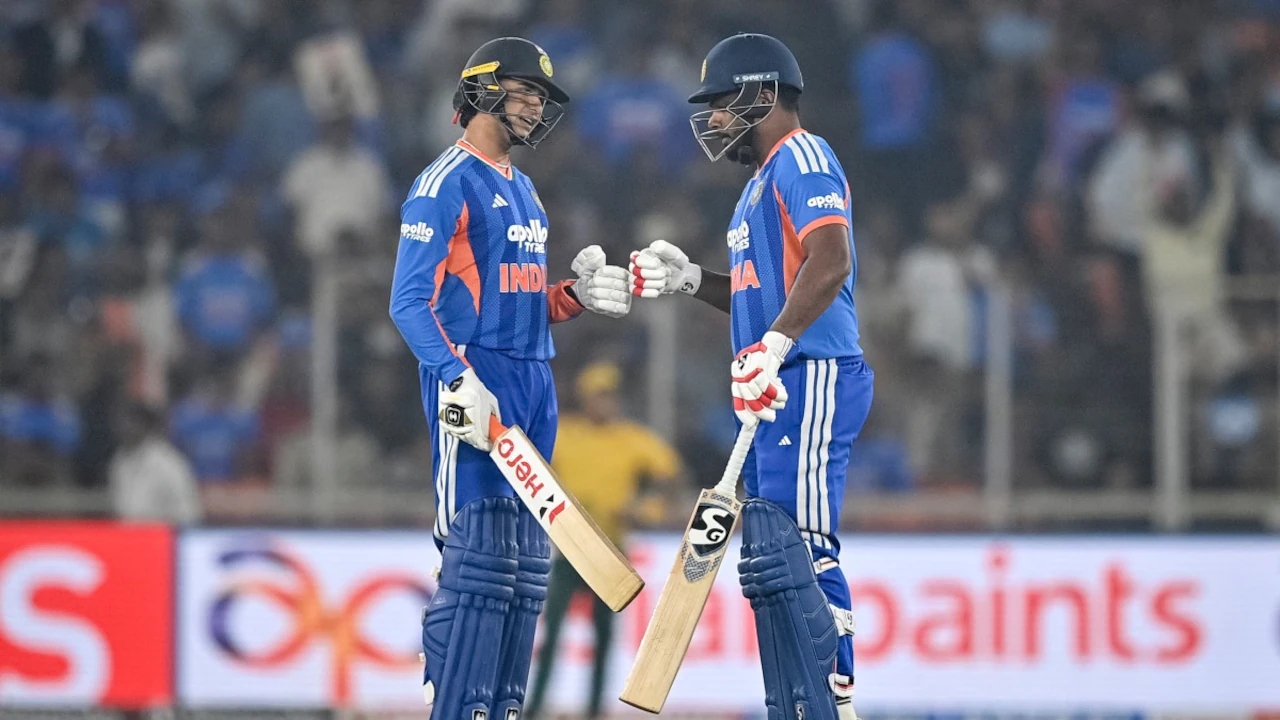


Indore: West Indies captain Shai Hope won the toss and elected to bowl against India in the third T20 International at Holkar Stadium on Sunday, October 11, with the five-match series level at 1-1. Teenager Vaibhav Sooryavanshi was once again left out of India’s playing XI as the hosts made two changes following their defeat in the previous match.
India brought in Nitish Kumar Reddy and Prince Yadav in place of Shivam Dube and Kuldeep Yadav. West Indies also made changes, with Quentin Sampson and Keemo Paul coming into the side in place of Romario Shepherd and Akeal Hosein, according to the confirmed team line-ups reported for the match.
The third T20I assumes added importance after India won the opening match by eight wickets before West Indies bounced back with a six-wicket victory in Ranchi. Both teams are looking to take the lead in the series, setting the stage for another potentially high-scoring contest in Indore.
India vs West Indies 3rd T20I: Toss and team changes
Hope called correctly at the toss and opted to field first, a decision consistent with the expectation that dew could make batting easier later in the evening.
India will look to post a challenging total before attempting to defend it with their bowling attack. The team management has made two changes, bringing in all-rounder Nitish Kumar Reddy and fast bowler Prince Yadav.
Reddy replaces Shivam Dube, while Prince comes in for left-arm wrist-spinner Kuldeep Yadav. The changes give India an opportunity to test a different combination after their bowling unit struggled to contain the West Indies batters in the previous game.
West Indies have also adjusted their combination. Quentin Sampson and Keemo Paul have been included, with Romario Shepherd and Akeal Hosein missing out.
With the series evenly poised, both sides will be keen to make the most of their selections and the conditions at Holkar Stadium.
Vaibhav Sooryavanshi remains on the bench
One of the talking points ahead of the match was the continued absence of 15-year-old Vaibhav Sooryavanshi from India’s playing XI.
The young batter has attracted considerable attention, with fans eager to see him make his international appearance. However, the team management has opted to retain other players for the third T20I.
Sanju Samson’s performance in the second match may have influenced the decision to stick with the existing batting combination. Samson scored 82 off 41 balls in Ranchi, providing India with an aggressive contribution during the high-scoring encounter.
Sooryavanshi remains part of the squad, leaving open the possibility of an opportunity in the remaining matches. For now, though, the teenager will have to wait for his chance as India focus on regaining the series lead.
India seek answers after West Indies’ record chase
India’s bowling and fielding came under scrutiny after the second T20I in Ranchi, where West Indies successfully chased a target of 250.
The match produced 501 runs and highlighted the challenges facing bowlers on batting-friendly pitches. India had appeared well placed after posting 249 for five, but the West Indies batters responded with an aggressive chase to level the series.
Mayank Yadav made early inroads for India, putting the visitors under pressure. However, Shai Hope and Sherfane Rutherford turned the contest around with a substantial partnership.
A dropped catch of Rutherford proved costly. Mayank spilled a chance at short fine leg when the left-hander was on 38 off 18 balls. Rutherford went on to score 84 off 37 deliveries, hitting seven fours and seven sixes.
His partnership with Hope added 120 runs off 54 balls, allowing West Indies to complete the chase with more than an over remaining.
India will therefore be looking for sharper fielding and more consistent execution from their bowlers in Indore. The team must find a way to contain aggressive batting even when the pitch and conditions favour stroke-making.
Holkar Stadium expected to favour batters
The venue presents another challenge for both bowling attacks. Holkar Stadium is known for its batter-friendly conditions, with a relatively flat surface and short boundaries that can reward attacking shots.
The possibility of dew could further complicate matters for the side bowling second, making Hope’s decision to field first an important tactical choice.
India will need to build a strong total without losing wickets too quickly. At the same time, West Indies will aim to make early breakthroughs and prevent the hosts from establishing another imposing score.
The contest is also an opportunity for India’s bowling unit to respond after the previous match exposed weaknesses in the field and during the middle and death overs.
India head coach Gautam Gambhir has previously highlighted the difficulties bowlers face in modern T20 cricket, particularly when pitches and boundaries favour batters. The third match offers the team another opportunity to work on those challenges under competitive conditions.
India vs West Indies 3rd T20I: Playing XIs
India: Abhishek Sharma, Sanju Samson (wicketkeeper), Ishan Kishan, Shreyas Iyer (captain), Tilak Varma, Nitish Kumar Reddy, Naman Dhir, Axar Patel, Mayank Yadav, Arshdeep Singh, Prince Yadav.
West Indies: Shai Hope (captain and wicketkeeper), Kamil Pooran, Shimron Hetmyer, Rovman Powell, Sherfane Rutherford, Quentin Sampson, Keemo Paul, Roston Chase, Shamar Springer, Shamar Joseph, Gudakesh Motie.
India vs West Indies series stands at 1-1
India began the five-match series with an eight-wicket win in Lucknow. The hosts restricted West Indies to 171 before Shreyas Iyer and Ishan Kishan helped complete the chase comfortably.
West Indies responded in Ranchi with a six-wicket victory after chasing down India’s total of 249 for five. The result brought the series level and increased the pressure on India’s bowling unit heading into the third match.
A win in Indore would give either team a 2-1 advantage, leaving the winner just one victory away from securing the series.
With both sides making adjustments and the venue expected to offer favourable batting conditions, the third T20I presents another test of execution under pressure. India will aim to make their batting strength count while improving their fielding and bowling, whereas West Indies will look to build on the confidence gained from their remarkable chase in Ranchi.