







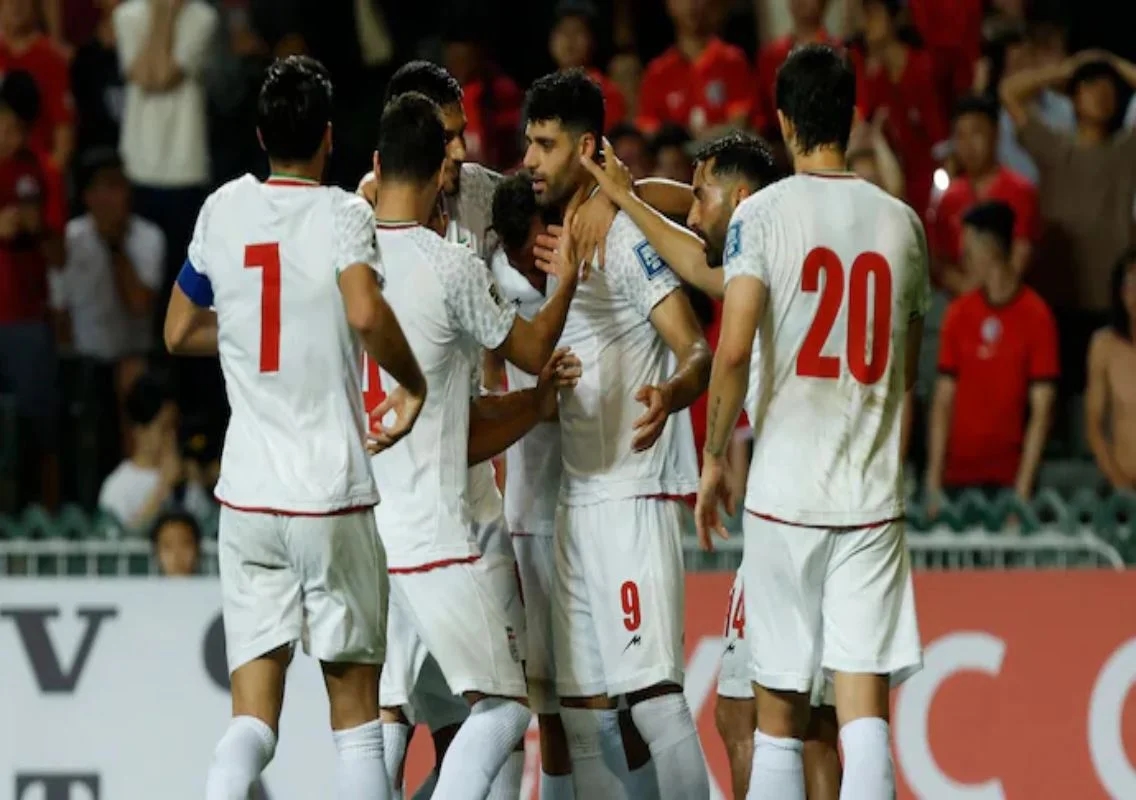


Tehran: Iran has stepped back from its earlier threat to boycott the FIFA World Cup 2026, but remains firm in its refusal to play any matches scheduled in the United States amid ongoing geopolitical tensions in West Asia.
The announcement signals a partial climbdown by Iranian authorities, who had previously indicated a complete withdrawal from the tournament. However, the latest stance underscores continued concerns over security and political developments.
Iran confirms participation with conditions
Iranian football federation president Mehdi Taj confirmed that the national team, popularly known as Team Melli, will continue preparations for the tournament, which is set to be co-hosted by the United States, Mexico, and Canada from June 11 to July 19.
“We will boycott America, but we will not boycott the World Cup,” Taj was quoted as saying, reiterating Iran’s position that while the team intends to participate, it does not wish to travel to the US for its matches.
Iran had been among the early qualifiers for the tournament, making its potential absence a significant concern for organisers and fans alike.
Preparations underway despite uncertainty
Despite the uncertainty surrounding match venues, Iran has moved ahead with its training plans. According to Taj, the team will hold a preparatory camp in Turkey, where they are also scheduled to play two friendly matches.
These preparations indicate that the team is focusing on maintaining competitive readiness, even as diplomatic and logistical challenges remain unresolved.
The situation had escalated earlier following remarks from Iran’s sports minister Ahmad Donyamali, who suggested that the country might withdraw entirely from the World Cup after heightened tensions linked to the reported assassination of Supreme Leader Ali Khamenei.
Demand for venue change gains attention
Iran’s refusal to play in the United States has led to a formal request for a change in match venues. The demand comes in the backdrop of the ongoing conflict and security concerns raised by Iranian officials.
Adding to the complexity, former US President Donald Trump had publicly suggested that Iran’s team should avoid playing matches in the US for their own safety. Iranian authorities have cited such statements while pressing for alternative arrangements.
Meanwhile, Claudia Sheinbaum indicated on March 17 that Mexico would be open to hosting Iran’s matches if required. However, she clarified that the final decision rests with FIFA.
FIFA yet to take a final call
FIFA has acknowledged ongoing communication with the Iranian football federation but has so far maintained that all participating teams are expected to adhere to the original schedule and venues.
Iran is currently slated to play group-stage matches against Belgium, Egypt, and New Zealand in June, with fixtures originally scheduled to take place in the United States.
Any change in venue would require significant logistical adjustments and could set a precedent for future geopolitical disputes affecting international sporting events.
Conclusion
Iran’s decision to withdraw its boycott threat while maintaining its refusal to play in the United States places FIFA in a challenging position. As the tournament approaches, negotiations between stakeholders are expected to intensify.
The situation highlights the growing intersection of sports and geopolitics, where global tournaments are increasingly influenced by international relations. Whether a compromise can be reached without disrupting the tournament schedule remains to be seen.