







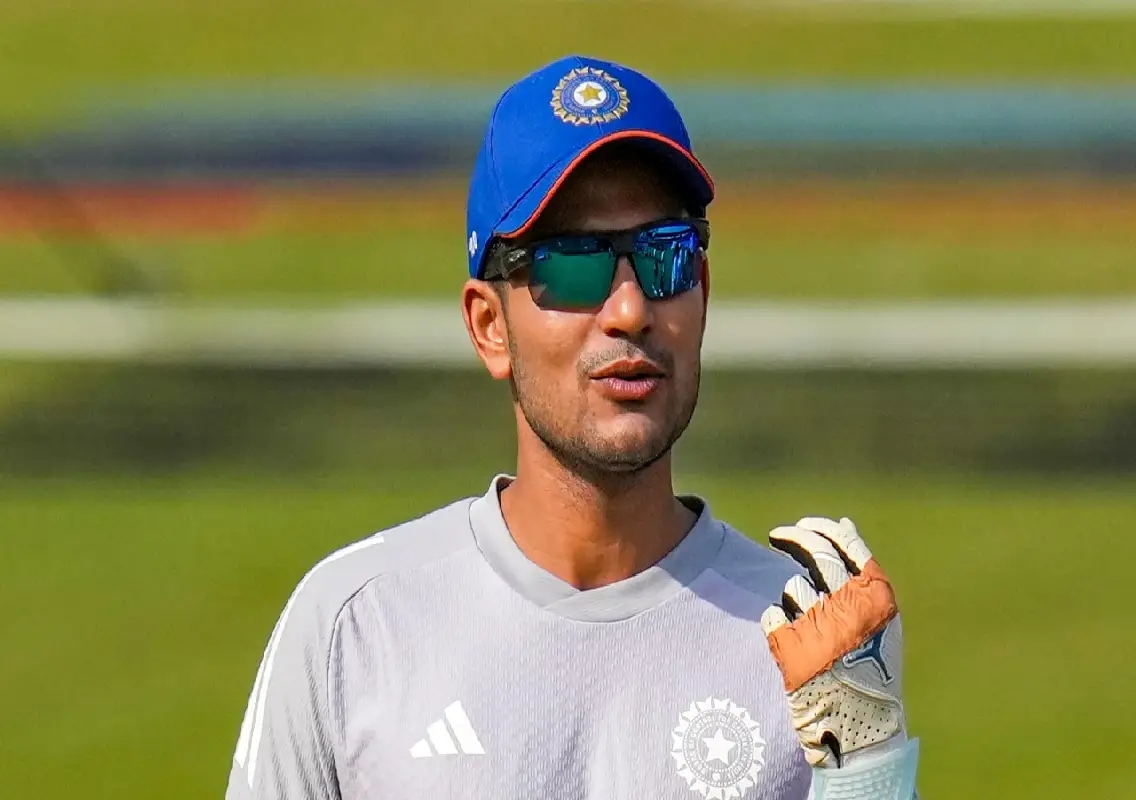


New Delhi: Former India cricketer-turned-commentator Mohammad Kaif has strongly criticised the national selectors for recalling Shubman Gill to the Indian T20I side and reappointing him as vice-captain ahead of the Asia Cup 2025, calling the decision a “backward move” that hurt India’s planning in the shortest format.
Criticism over Gill’s selection in T20Is
Speaking on his YouTube channel, Kaif said the selectors erred by persisting with Gill in T20 internationals despite the presence of better-suited players for the format. According to Kaif, the decision not only failed to deliver results on the field but also stalled the growth of players who were performing consistently in T20 cricket.
Gill was brought back into the Indian T20I setup before the Asia Cup 2025 and was named vice-captain, a move that immediately raised questions due to his relatively modest returns in the format. The recall also had a direct impact on Sanju Samson, who had established himself as a successful opener in the previous 12 months.
Sanju Samson pushed down the order
Kaif pointed out that Sanju Samson, who scored three T20I centuries in the past year and cemented his role as an opener, was pushed down the batting order to accommodate Gill at the top. The change disrupted a settled combination, something Kaif believes went against the team’s interests.
Despite being given a long run, Gill struggled to justify the faith shown in him. In 15 innings following his comeback, he failed to score even a single half-century, which further intensified criticism of the selectors’ approach.
Numbers fail to back Gill
Gill’s statistics during this phase highlighted his struggles. Across 15 innings, he scored 291 runs at an average of 24.25 and a strike rate of 137.26, with a highest score of 47. For a player expected to anchor and accelerate in T20 cricket, these numbers were seen as underwhelming.
As performances dipped, pressure mounted on the team management and selectors, eventually leading to Gill being dropped from the T20I squad ahead of the T20 World Cup 2026. Wicketkeeper-batter Ishan Kishan was recalled to the side in his place.
Kaif calls phase a “waste of time”
While Kaif welcomed Gill’s eventual exclusion from the T20I team, he was scathing in his assessment of the overall planning. He accused the selectors of lacking foresight and wasting valuable time that could have been used to groom other players.
“They knew there were better players for the T20 format. This was a mistake by the selectors. Indian cricket has gone backwards. For two to three months, you could have invested in Yashasvi Jaiswal, Sanju Samson and Jitesh Sharma,” Kaif said.
He added that backing Gill till the very end, only to drop him later, reflected poor planning. According to Kaif, the extended run given to Gill denied opportunities to players who were more suited to the demands of T20 cricket.
Opportunity cost for other players
Kaif stressed that players like Yashasvi Jaiswal, Sanju Samson and Jitesh Sharma should have been prioritised during this period. He argued that all three had either proven themselves or shown clear potential in the format and deserved consistent backing.
“The planning is zero. There was no option left in the end because he did not score in 17–18 innings. It has been a waste of time for Indian cricket and for those players who should have been given the opportunity,” Kaif remarked.
Samson set to return as opener
With Gill no longer part of the T20I setup, Sanju Samson is expected to return to the opening slot alongside Abhishek Sharma. The pair had previously formed a strong opening combination for India and are set to resume their partnership in the upcoming home series against New Zealand, starting on January 21.
Ishan Kishan, meanwhile, will have to wait for his chance, though he is expected to be in contention during the five-match series against the Kiwis.
Conclusion
Kaif’s remarks have reignited debate over India’s T20I selection strategy and long-term planning. As the team looks ahead to major tournaments, the focus will now be on backing players best suited to the format and ensuring that selection decisions align with performance and future goals.