







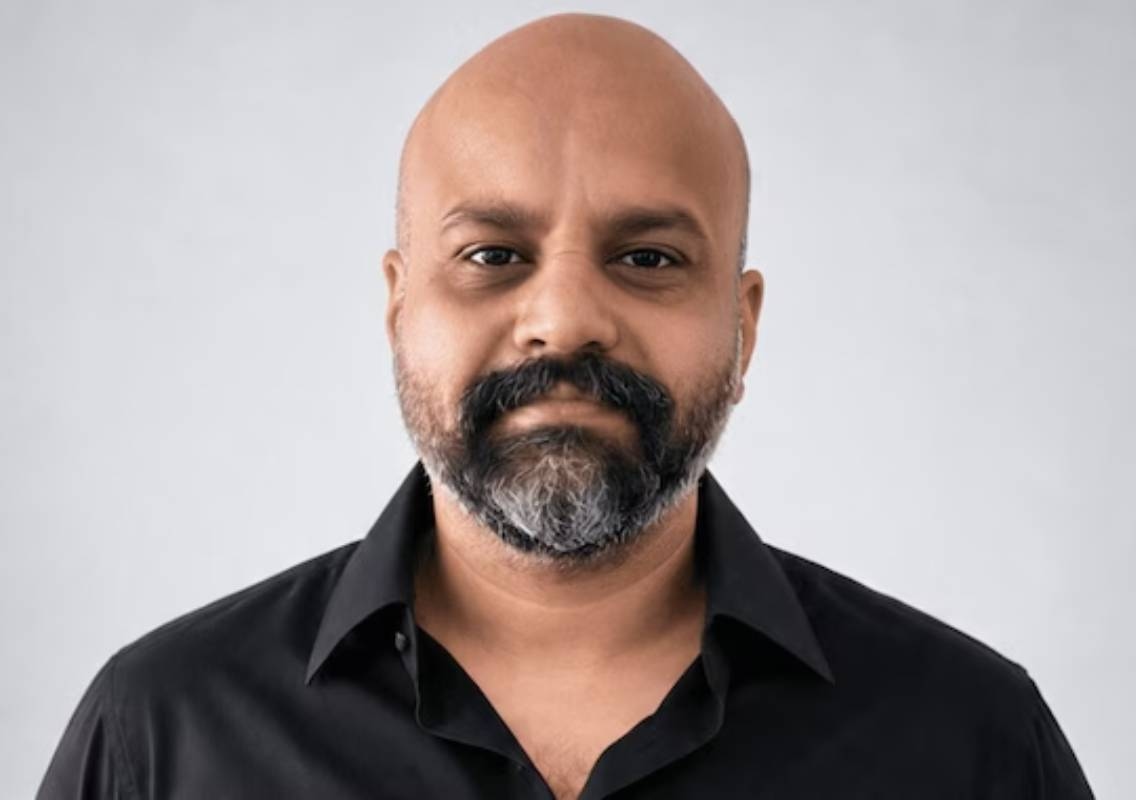


Mumbai: The Indian Super League (ISL) has appointed Karan Yadav as its Chief Executive Officer (CEO), making him the first CEO of the league under its new club-led League Office structure.
Yadav joins the ISL with nearly two decades of experience across football, sports, media, marketing, commercial strategy and operations. He will lead the League Office and work closely with ISL clubs and the All India Football Federation (AIFF) on the competition’s strategic, commercial and organisational direction.
His appointment comes ahead of the new ISL season, which is scheduled to begin on October 10.
Who is Karan Yadav?
Yadav’s professional journey in football began in 2010 when he co-founded TheHardTackle.com, a digital football publication. He served as its Editor-in-Chief and built a global editorial operation involving more than 50 writers and 10 editors.
He later moved into the commercial side of sports, working across sports rights management, sponsorships, marketing, athlete management and operations.
Yadav led the sports and content practice at Wavemaker, part of WPP, before heading sports sponsorships and activations at ACKO.
His most recent role was Chief Commercial Officer at JSW Sports, where he managed a Rs 300-plus crore P&L spanning sports franchises, talent management and brand consulting.
Experience with Neeraj Chopra and Team India
During his time at JSW Sports, Yadav was involved in the commercial strategy surrounding Olympic champion Neeraj Chopra.
He also managed JSW’s kitting partnership with Team India for the 2024 Paris Olympics and played a role in launching the Neeraj Chopra Classic in 2025.
That experience across athlete management, sponsorships, sports properties and commercial partnerships will now form part of his role at the ISL.
What will Yadav do as ISL CEO?
As CEO, Yadav will head the League Office and oversee the strategic, commercial and organisational direction of the ISL.
His responsibilities will include working with the league’s clubs and the AIFF, as well as strengthening relationships with broadcasters, sponsors and other stakeholders.
The role also involves developing a broader commercial and broadcast proposition for the league, improving fan engagement and building a coordinated strategy with the participating clubs.
The ISL said the club-led structure provides greater scope for alignment between the League Office and clubs across areas such as commercial strategy, partnerships, broadcasting and fan engagement.
Yadav outlines his vision for the league
Yadav said the ISL was entering an important new phase and that the club-led model provided a foundation for closer cooperation between the League Office, clubs and the league’s Managing Committee.
He said his immediate focus would be on building an effective League Office, strengthening the league’s commercial and broadcast proposition and deepening its relationship with fans.
Yadav also said the aim would be to create an environment in which clubs could grow sustainably and to build a league that is more connected within the wider Indian football ecosystem.
A new phase for the ISL
The appointment comes as the ISL operates under a new club-led model, putting greater emphasis on coordination between the league office and its participating clubs.
Yadav’s background is closely aligned with the commercial and operational responsibilities attached to the new role, spanning digital football media, sports sponsorships, athlete management and major sporting properties.
His move to the ISL also represents a return to football after his early career as a football media entrepreneur.
The new structure gives Yadav responsibility for bringing together the league’s commercial, broadcast, club and stakeholder interests while working with the AIFF on the competition’s broader direction.
ISL season set to begin on October 10
Yadav’s first major task will come as the ISL prepares for its new season, which is scheduled to start on October 10.
With clubs playing a more central role in the league’s operating model, the new CEO will oversee the League Office at a time when commercial strategy, broadcasting, sponsorships and fan engagement are key areas of focus.
His appointment therefore marks the beginning of a new leadership phase for the ISL as it moves ahead with its club-led structure.