


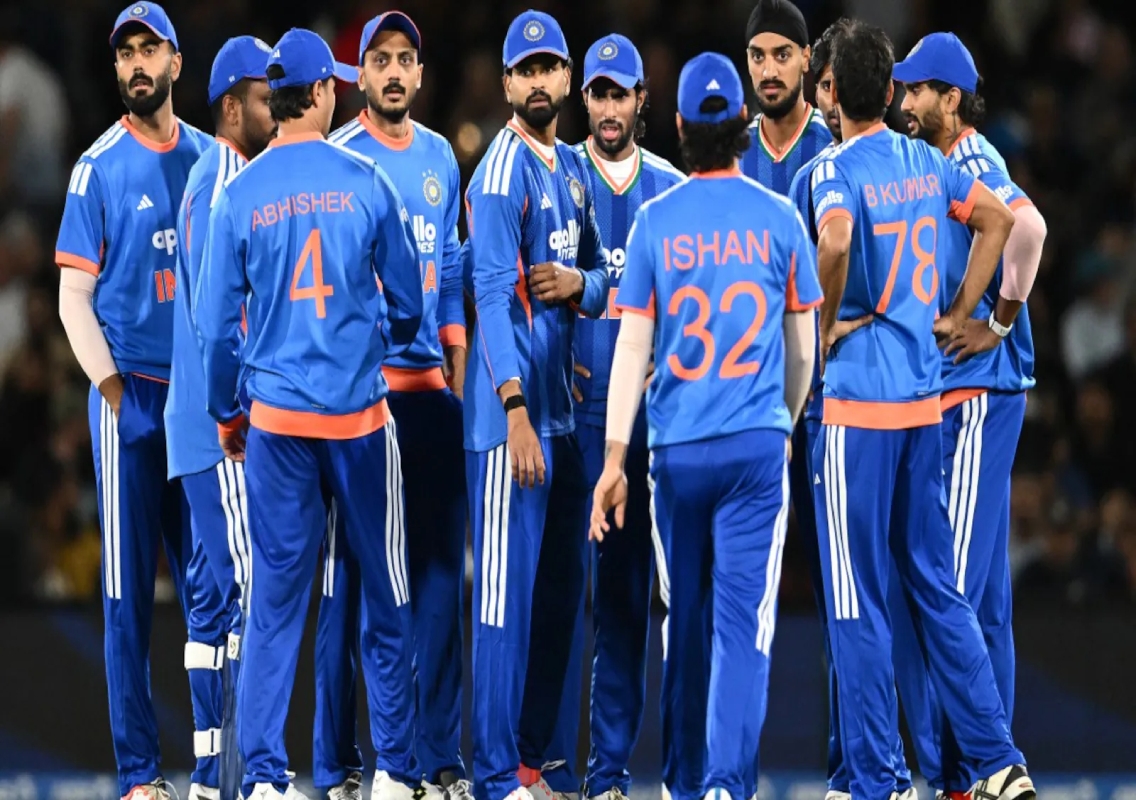


Christchurch: Former India cricketer Dinesh Karthik has urged head coach Gautam Gambhir and the team management to consider a major change in the playing XI for the second T20 International against New Zealand, calling for an additional specialist spinner to strengthen India’s bowling attack.
The recommendation comes after India conceded 225 runs for four wickets in the opening match at Christchurch on October 22. Although India successfully chased the target, winning by four wickets after reaching 230 for six in 19.4 overs, the performance raised questions about the team’s bowling balance.
Speaking on Cricbuzz, Karthik suggested that experienced fast bowler Bhuvneshwar Kumar could be promoted in the batting order to make room for another spinner. He believes Bhuvneshwar can contribute at No. 8, allowing India to include an additional specialist bowling option without significantly weakening the lower order.
Karthik’s proposal for India’s playing XI
Karthik’s suggestion focuses on finding a better balance between batting depth and bowling strength. India have frequently relied on all-rounders to provide additional overs, but their performances in recent matches have raised concerns about the reliability of the fifth and sixth bowling options.
Karthik argued that Bhuvneshwar has sufficient batting ability to perform the role expected of a lower-order batter. His inclusion in that position could allow the management to select another specialist spinner rather than depending entirely on part-time bowling options.
He also suggested that Axar Patel should bat at No. 8, with Bhuvneshwar moving to No. 9. Such an arrangement would give India another bowling option while retaining batting contributions from players lower down the order.
The proposal is a recommendation rather than a confirmed team decision. The final combination will depend on the management’s assessment of the pitch, conditions and the roles required for the match.
India’s bowling struggles remain a concern
India’s batting has helped the team overcome difficult situations, but the bowling unit has struggled to consistently restrict opponents.
In the first T20I against New Zealand, the hosts posted 225 for four in 20 overs. Finn Allen and Tim Seifert provided an aggressive start, while Glenn Phillips finished unbeaten on 82 off 40 balls.
Bhuvneshwar Kumar conceded 49 runs in his four overs without taking a wicket in his return to international cricket after nearly four years. Arshdeep Singh also faced pressure during the powerplay as New Zealand’s openers attacked the Indian pace bowlers.
Nitish Kumar Reddy conceded 40 runs in his four overs without taking a wicket. Naman Dhir, meanwhile, did not bowl in the match, although he later played a decisive role with the bat by scoring an unbeaten 42 off 15 deliveries.
India captain Shreyas Iyer acknowledged after the opening match that the bowlers had delivered the ball too far forward instead of consistently hitting the hard lengths required. The performance underlined the need for better execution, particularly when facing aggressive batters on a surface offering limited margin for error.
Why an additional spinner could help
India used Axar Patel as their only frontline spinner in the series opener. Karthik’s proposal would give the team another specialist option to operate during the middle overs, when controlling the scoring rate and taking wickets can be crucial in T20 cricket.
An additional spinner could also provide the captain with greater flexibility when a pace bowler has an expensive spell or when particular match-ups favour spin.
However, the effectiveness of the change would depend on the playing conditions. A batting-friendly pitch may offer limited assistance to spinners, while dew could make gripping and controlling the ball more difficult. Selecting an extra spinner would therefore require the team management to weigh the potential benefits against the conditions at Hagley Oval.
The decision also involves a broader question about India’s preferred team structure: whether to prioritise a longer batting line-up or select more specialist bowlers capable of delivering their full quota of overs.
India aim to build on record run chase
Despite the bowling concerns, India enter the second T20I with a 1-0 lead in the five-match series.
Their victory in the opener was built around an explosive start from Sanju Samson and Abhishek Sharma, who put together a 93-run opening partnership. Samson scored 67 off 33 balls, while Abhishek contributed 29 off 12 deliveries.
After New Zealand fought back with wickets in the middle overs, Shreyas Iyer scored 42 off 28 balls to steady the innings. Naman Dhir then produced a match-winning finish, remaining unbeaten on 42 as India completed the chase with two balls remaining.
The batting performance demonstrated India’s ability to pursue a demanding target, but the team will be aware that repeatedly relying on high-scoring chases could prove risky over the course of the series.
Second T20I offers a chance to address the balance
The second T20I is scheduled to be played at Hagley Oval in Christchurch on October 24. India will look to maintain their series advantage while improving their ability to contain New Zealand’s aggressive batting line-up.
Karthik’s recommendation places the spotlight on the selection choices facing Gambhir and captain Shreyas Iyer. Adding another specialist spinner could strengthen India’s options, while promoting Bhuvneshwar in the batting order would be an attempt to preserve depth.
Ultimately, the team must find a combination that can both defend competitive totals and support the batting unit when required. Whether the management adopts Karthik’s suggestion remains to be seen, but India’s bowling performance in the opening match has made the balance of the playing XI a central talking point ahead of the second encounter.