







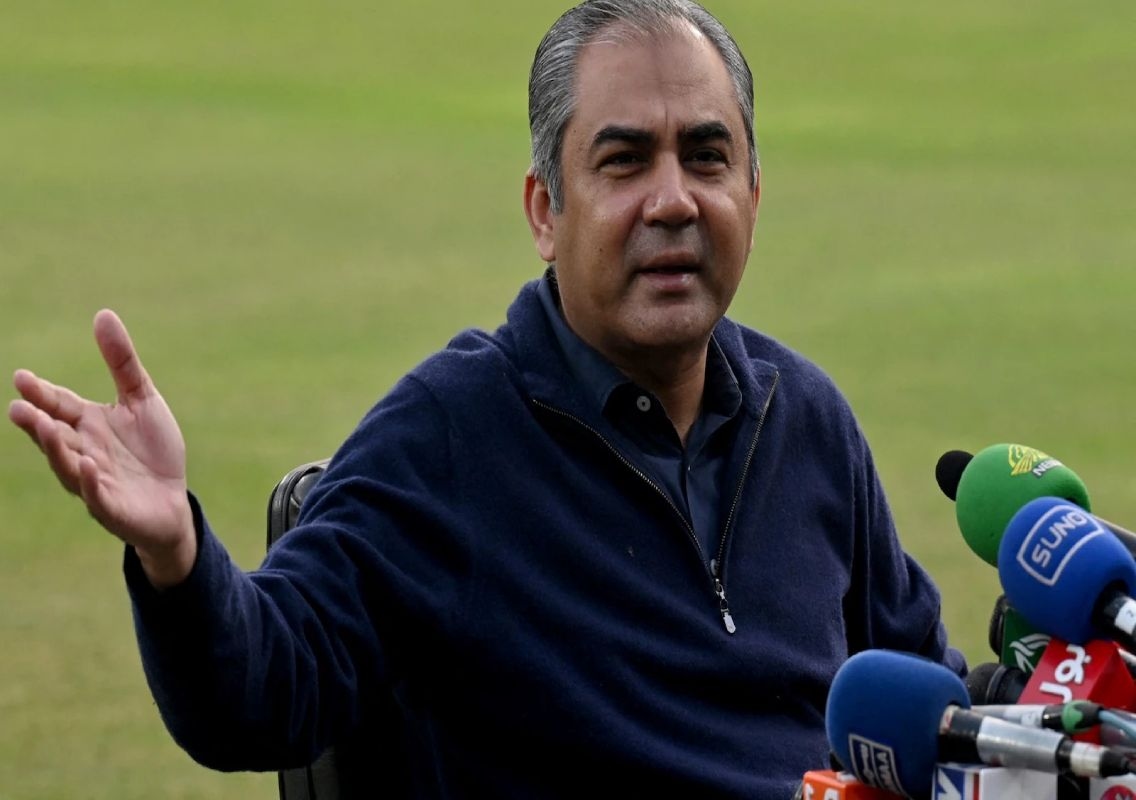


New Delhi: The Pakistan Cricket Board, led by chairman Mohsin Naqvi, has come under scrutiny following allegations of “extortion” linked to the issuance of No Objection Certificates (NOCs) for players participating in overseas T20 leagues. The controversy has reportedly prompted owners in Major League Cricket (MLC) to consider a shadow ban on signing Pakistani cricketers.
According to a report, the PCB allegedly demanded a last-minute fee of $25,000 (approximately ₹24 lakh or PKR 69 lakh) per player from franchises seeking NOCs. The NOC is a mandatory clearance required under international cricket regulations, allowing players to participate in foreign franchise leagues.
Franchises raise concerns over last-minute demands
MLC franchise owners have expressed strong dissatisfaction over the timing and nature of these financial demands. As per the report, the PCB does not communicate such conditions in advance, instead raising the demand close to the start of the tournament—when teams have already finalised their squads.
Franchise representatives claimed that this approach leaves them with limited options, effectively forcing them to comply. They alleged that the demand appears when replacement players are difficult to secure, creating what they described as undue pressure.
The report quoted stakeholders describing the move as “extortion”, highlighting that no other cricket board imposes similar last-minute financial conditions for NOC approvals in the league.
Uncertainty over NOC revocation adds to tensions
Another key concern raised by franchises is the lack of assurance even after paying the fee. The report stated that the PCB retains the right to revoke the NOC at any stage, potentially requiring additional payments if further clearances are needed.
This uncertainty has reportedly discouraged teams from investing in Pakistani players, despite their strong reputation in T20 cricket. Franchise owners emphasised that such unpredictability disrupts financial planning, as teams operate within fixed budgets and cannot accommodate sudden, unplanned expenses.
PCB defends its stance
The issue was reportedly taken up directly with Mohsin Naqvi. However, the PCB maintained that such charges fall within its rights, categorising them as a legitimate revenue stream.
The board’s stance has not eased tensions, with MLC stakeholders arguing that transparent and pre-declared policies are essential for maintaining trust between cricket boards and franchise leagues.
Impact on Pakistani players in global leagues
The ongoing dispute could significantly affect the participation of Pakistani players in overseas leagues, particularly in the United States-based MLC. A potential shadow ban—though unofficial—could limit opportunities for players to showcase their talent on global platforms.
Currently, fast bowler Haris Rauf remains the only Pakistani player participating in the ongoing MLC season. He was signed by the San Francisco Unicorns, who reportedly agreed to the PCB’s financial terms.
The situation highlights a broader challenge for Pakistani cricketers, who already face limited access to certain leagues due to geopolitical and administrative factors.
Growing debate over governance and transparency
The controversy has reignited discussions حول governance practices within cricket boards and the need for standardised global policies regarding player participation in franchise leagues. Experts believe that inconsistent rules and last-minute changes can harm the credibility of boards and restrict player mobility.
As franchise cricket continues to expand globally, cooperation between boards and leagues is becoming increasingly important. Transparent frameworks for NOC issuance, including clearly defined fees and timelines, are seen as crucial to avoiding similar disputes in the future.
Conclusion
The allegations against the PCB and Mohsin Naqvi have placed Pakistan’s cricket administration under the spotlight. With MLC franchises reportedly considering a pullback from signing Pakistani players, the issue could have long-term implications for both the board’s reputation and player opportunities. A resolution will likely depend on improved transparency and mutual understanding between stakeholders in the evolving landscape of global T20 cricket.