







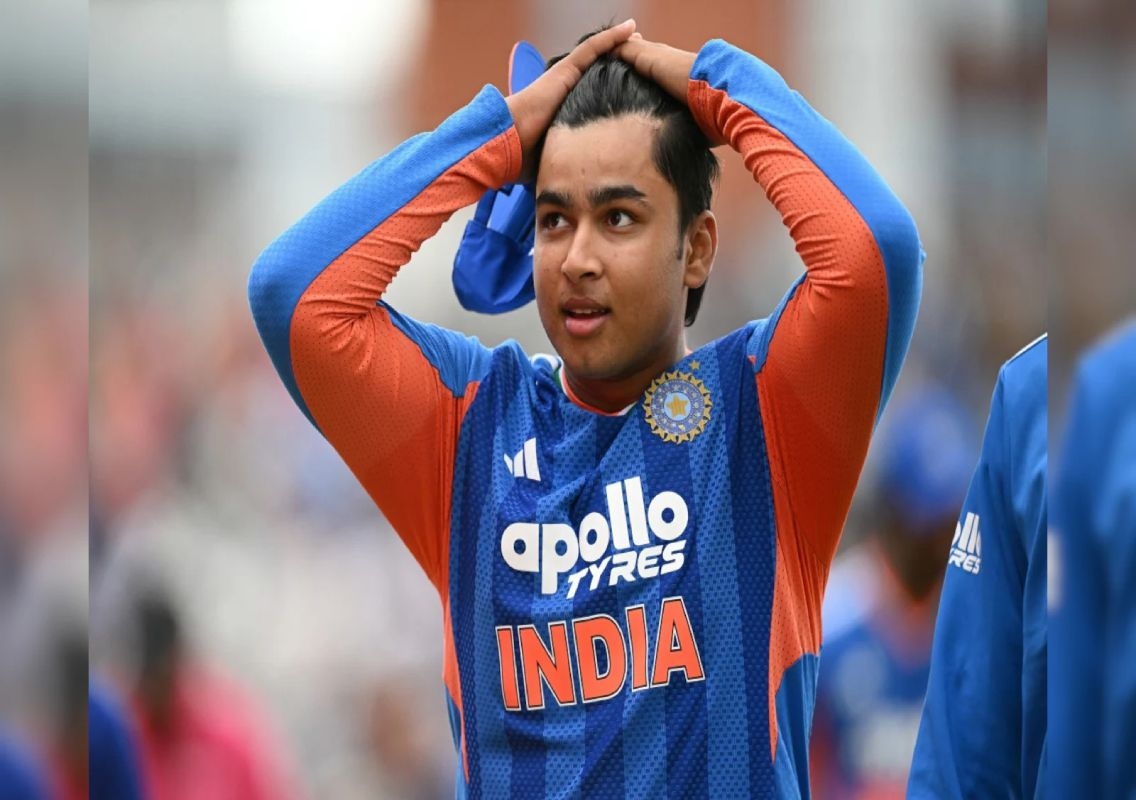


New Delhi: The omission of Sanju Samson from India’s squad for the upcoming Zimbabwe tour has triggered widespread speculation, with a fresh theory suggesting that the senior batter may have “voluntarily” stepped aside to make way for teenage sensation Vaibhav Sooryavanshi. The development follows the Board of Control for Cricket in India (BCCI) releasing the squad list earlier this week, which raised more questions than it answered.
Samson, who was named Player of the Tournament in the T20 World Cup 2026, was a notable absentee from the squad despite being a key figure in India’s T20 setup. His exclusion comes just days after he made way for 15-year-old Sooryavanshi in the playing XI during the second T20I against England in Manchester, further fuelling discussions about a possible shift in India’s team strategy.
Selection strategy raises questions
According to reports, the omission is part of a broader plan by selectors to test emerging players ahead of future international commitments. A report indicated that the decision could be a calculated move to provide opportunities to younger talents when the window allows for experimentation.
Despite his absence from the Zimbabwe tour, Samson is believed to remain an integral part of the selectors’ long-term plans. Sources suggest that the current decision is temporary, and the experienced batter is expected to feature in upcoming assignments, including India’s campaign at the Asian Games.
However, what has added intrigue to the situation is a theory doing the rounds in cricketing circles, which claims that Samson “voluntarily” opted out of the Manchester T20I to accommodate Sooryavanshi in the playing XI. While there has been no official confirmation of this claim, it has sparked debate among fans and analysts alike regarding team dynamics and internal decision-making.
Youth push in T20 format
The selection pattern also indicates a wider push towards integrating younger players into the T20 setup. Sooryavanshi, who emerged as the top scorer in IPL 2026, has quickly risen through the ranks and is seen as one of India’s most promising prospects. His inclusion in the national side at just 15 years of age underlines the team management’s willingness to invest in youth.
Interestingly, Samson is the only top-order batter from the ongoing England T20I series who has been left out of the Zimbabwe tour. In contrast, several key bowlers, including Arshdeep Singh, Harshit Rana, Axar Patel and Ravi Bishnoi, have also been rested, indicating a rotation policy rather than a complete overhaul.
Experts weigh in on Sooryavanshi
Former India all-rounder Irfan Pathan has backed Sooryavanshi’s potential but cautioned that the real challenge lies ahead. He emphasised the need for the young batter to adapt to opposition strategies as teams begin to analyse his game more closely.
“He is a special talent, no doubt, but he needs to be ready for the plans bowlers will come up with against him,” Pathan said. He also noted that while Sooryavanshi’s aggressive approach is a strength, maintaining balance and composure will be key to sustaining success at the international level.
The teenager showed glimpses of his ability during his debut series against England, scoring 14 runs off 10 balls in his first outing. Although his innings was brief, it reflected his fearless mindset, which has been widely praised by experts and fans alike.
Balancing experience and future planning
The current situation highlights the delicate balance between nurturing young talent and retaining experienced players within the squad. While giving opportunities to emerging cricketers is essential for long-term growth, the absence of established performers like Samson raises concerns about consistency and stability in team selection.
India’s approach appears to be focused on building a strong bench while preparing for major tournaments ahead. However, such decisions often invite scrutiny, especially when they involve high-profile players.
Conclusion
As India gears up for the Zimbabwe tour, the debate surrounding Sanju Samson’s omission and Vaibhav Sooryavanshi’s rise is unlikely to subside anytime soon. Whether the “voluntary” theory holds any truth remains uncertain, but it has certainly added another layer of intrigue to India’s evolving T20 strategy. Moving forward, the team management will need to ensure clarity in selection policies while maintaining a balance between experience and youth to achieve sustained success.