







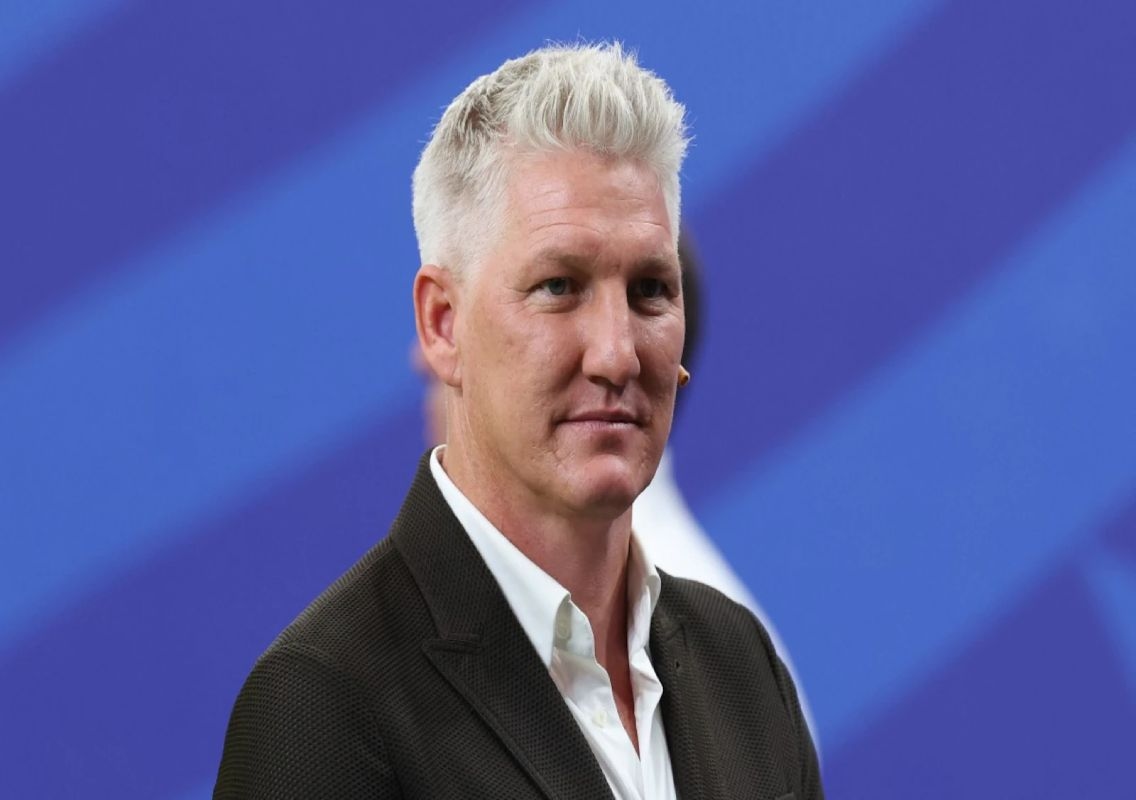


Berlin: Former Germany midfielder Bastian Schweinsteiger has come under heavy criticism following remarks he made about Ivory Coast during a World Cup broadcast, which have been labelled as racially insensitive by several commentators and football figures.
The controversy emerged after Schweinsteiger, speaking on German broadcaster ARD ahead of Germany’s group-stage match against Ivory Coast, described the African side’s style of play in terms that many critics say reinforced outdated stereotypes.
Controversial remarks spark criticism
In his pre-match analysis, Schweinsteiger said Ivory Coast play “a bit African football, a bit unorthodox, a bit wild, a bit perhaps also not so conditioned by tactics,” adding that Germany would need to prepare for an unpredictable game.
The comments quickly drew backlash across the footballing community, with critics arguing that such generalisations perpetuate harmful and reductive views about African teams. The remarks were widely discussed in European media and on social platforms, prompting a broader conversation about racial bias in sports commentary.
Ivory Coast coach responds strongly
Ivory Coast head coach Emerse Faé expressed disappointment over the comments, suggesting they could be interpreted as racist.
Speaking after his side’s 2-0 victory over Curaçao, which secured Ivory Coast’s place in the knockout stage for the first time in their history, Faé said he hoped the remarks were merely a “clumsy statement” rather than a reflection of deeper prejudice.
“We could call it racist, if we were calling a spade a spade,” Faé stated, while also acknowledging that he did not necessarily believe Schweinsteiger intended harm. He further questioned whether the former player was attempting to generate attention in his broadcasting career by resorting to outdated narratives.
Media and public reaction
The controversy intensified as journalists and analysts weighed in. Sports commentator Patrick Schnitzler criticised the remarks on social media, calling them an example of “racist prejudices that we are all passing on unnoticed.”
Journalist Philipp Awounou, writing in Der Spiegel, argued that such descriptions are rooted in colonial-era stereotypes that portray African teams as lacking tactical discipline. However, Awounou also noted that he did not believe Schweinsteiger himself to be racist, highlighting the complexity of the issue.
The incident has reignited discussions about the responsibility of former players and pundits to use inclusive and accurate language when analysing teams from diverse backgrounds.
Ivory Coast’s performance counters stereotypes
Ivory Coast’s performance in the tournament has stood in stark contrast to the claims made about their playing style. Under Faé’s leadership, the team has combined tactical organisation with physical strength, demonstrating a balanced and strategic approach.
Their 2-0 win over Curaçao was a disciplined display, showcasing defensive solidity and clinical finishing. The result not only secured progression but also marked a historic milestone for the West African nation.
Faé emphasised that modern African teams are tactically astute and should not be reduced to simplistic characterisations. He highlighted the team’s preparation, strategic planning, and adaptability as key factors behind their success.
Broader implications for football discourse
The incident involving Schweinsteiger underscores a broader issue within football media, where certain narratives about playing styles persist despite the global evolution of the sport. As football becomes increasingly interconnected, analysts are expected to reflect this diversity with nuanced and informed perspectives.
Critics argue that relying on stereotypes not only undermines the achievements of teams like Ivory Coast but also diminishes the credibility of punditry.
Conclusion
The backlash against Schweinsteiger’s remarks serves as a reminder of the importance of responsible commentary in modern football. While the former Germany star may not have intended offence, the reaction highlights growing sensitivity towards language that can perpetuate stereotypes.
As Ivory Coast continue their historic World Cup journey, their performances on the pitch are providing a powerful response to such criticism, reinforcing the need to judge teams by their results and strategy rather than preconceived notions.