









Seattle: Organisers of a special “Pride Match” at the FIFA World Cup 2026 have emphasised the city’s commitment to inclusivity despite opposition from Iran and Egypt ahead of their Group G clash.
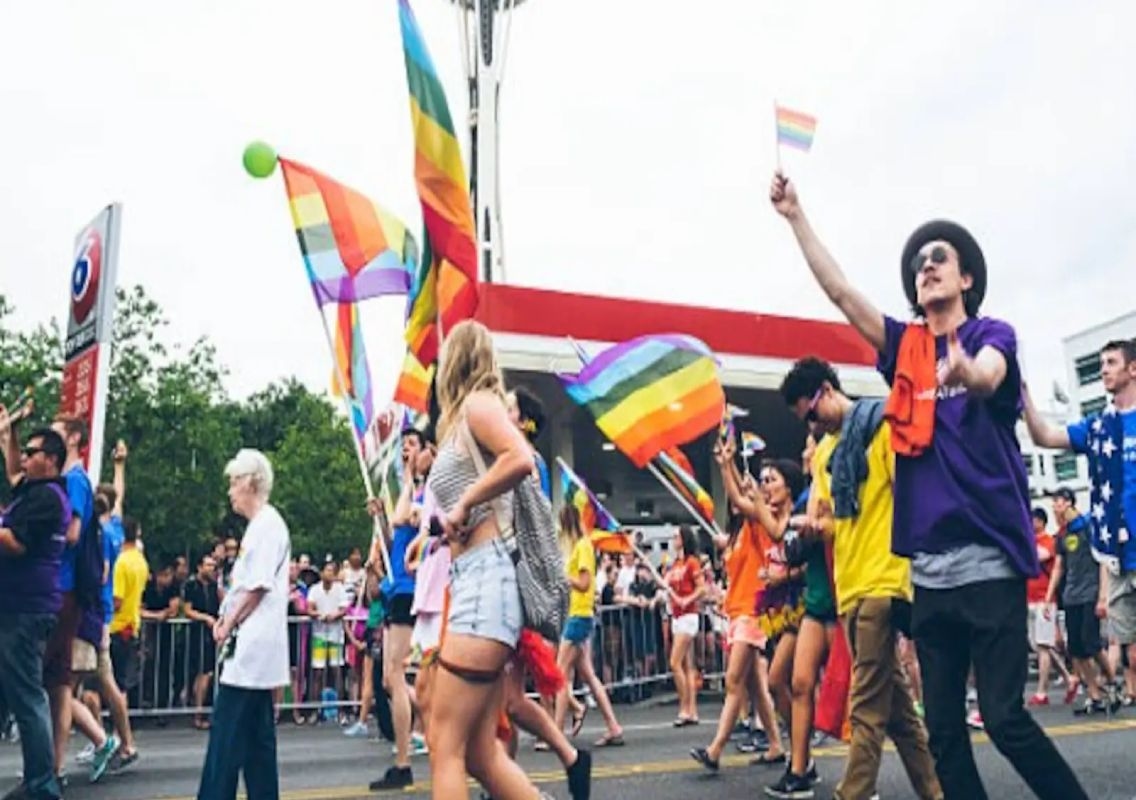
The match, scheduled to take place in Seattle, has drawn global attention as it coincides with the city’s annual Pride celebrations. The stadium is expected to be filled with rainbow flags, symbolising support for the LGBTQ community.
Opposition from Iran and Egypt
Both Iran and Egypt, whose teams are set to face each other in the high-stakes encounter, have raised objections to the Pride-themed celebrations. The two countries have expressed concerns over the association of the match with LGBTQ visibility, citing cultural and religious values.
Iran’s football federation stated that it had communicated its position to FIFA through multiple letters and meetings. According to the federation, assurances were given that no official ceremonies or promotional activities linked to the Pride theme would be part of the match programme inside the stadium.
The statement also highlighted shared cultural perspectives between Iran and Egypt, noting that both nations hold similar views on such issues.
FIFA stance on inclusivity
Despite the objections, FIFA has maintained that fans will be allowed to display rainbow flags inside the stadium. Officials have reiterated that such symbols are viewed as expressions of human rights rather than political statements.
Seattle’s World Cup organising committee confirmed that supporters attending the match would be free to celebrate inclusivity in line with FIFA guidelines.
Seattle showcases diversity
Local organisers see the match as an opportunity to highlight Seattle’s identity as one of the most inclusive cities in the United States. The timing of the fixture alongside Pride celebrations has added significance to the event.
Jess Fishlock, captain of the National Women’s Soccer League club Seattle Reign, described the World Cup as a platform that brings together diverse cultures and communities.
She noted that the Pride Match reflects the spirit of unity and global connection that defines the tournament.
Focus remains on football
While the off-field discussions have generated headlines, both teams have maintained a focus on the game itself. Egypt coach Hossam Hassan stressed that his side is concentrating solely on football and adhering to fair play.
Iran coach Amir Ghalenoei echoed similar sentiments, emphasising the beauty of the sport and the importance of enjoying the game.
The match remains crucial for both teams, with qualification for the Round of 32 still undecided in Group G.
Citywide celebrations
The Pride Match forms part of a broader series of celebrations across Seattle. Pride watch parties are planned in various neighbourhoods, and the city will host its annual Pride parade over the weekend.
Ilona Lohrey, president and CEO of the Greater Seattle Business Association, described the occasion as an opportunity to showcase the city’s diversity and inclusivity.
She highlighted how events like these reinforce Seattle’s reputation as a welcoming and progressive community.
Conclusion
The Pride Match between Iran and Egypt has become more than just a football fixture, symbolising the intersection of sport, culture and social values. While opposition from the participating nations has added complexity, organisers remain committed to promoting inclusivity.
As the World Cup continues to unite fans from across the globe, Seattle’s Pride Match stands as a reminder of football’s power to bring people together despite differing perspectives.