







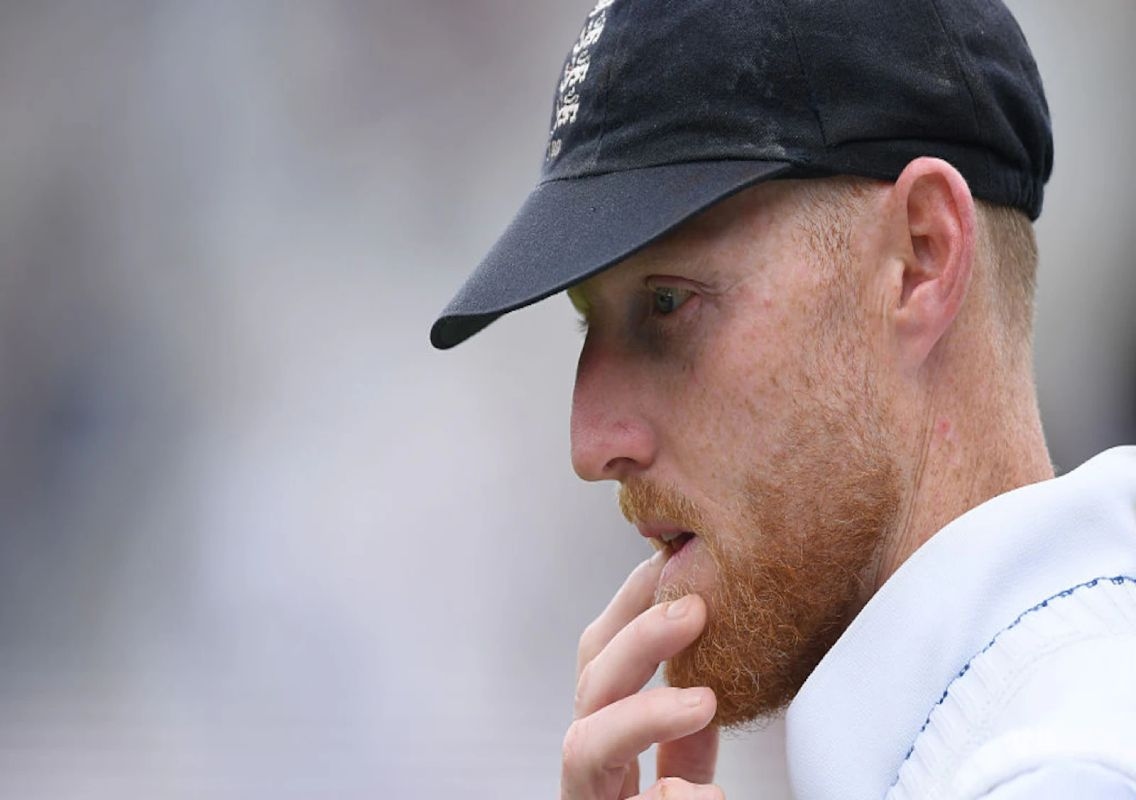


London: England Test captain Ben Stokes and teammate Gus Atkinson have landed in controversy after an alleged altercation at a nightclub in Chelsea, raising questions over discipline within the national side. The incident, which reportedly occurred after England’s victory over New Zealand national cricket team in the first Test in London, is now under investigation by the England and Wales Cricket Board (ECB).
The controversy has sparked widespread debate, with reports suggesting that Stokes could face serious consequences, including the possibility of being stripped of the Test captaincy, while Atkinson’s place in the squad could also be at risk.
Curfew breach and reported altercation
According to initial reports, both players breached the ECB’s midnight curfew to visit a nightclub in Chelsea. The curfew had been reimposed earlier this year following criticism of players’ conduct during the Ashes tour in Australia.
The situation escalated when a confrontation reportedly broke out involving the England players and a rugby athlete believed to be associated with the Saracens academy. During the incident, a punch allegedly aimed at Atkinson struck an ECB security guard instead.
The guard sustained injuries and required immediate medical attention, including stitches. Notably, neither Stokes nor Atkinson was reported to have suffered any injuries in the incident.
Conflicting accounts emerge
While details remain unclear, sources quoted in British media suggest that the England cricketers were “not the aggressors” in the altercation. It is claimed that the rugby player involved has a reputation for such behaviour, though this has not been independently verified.
Importantly, there has been no confirmation of police involvement, indicating that the matter may have been contained within the premises of the nightclub.
The absence of official confirmation on several aspects of the incident has led to speculation, but the ECB has maintained that a full inquiry is underway before any conclusions are drawn.
ECB launches investigation
In an official statement, the ECB confirmed that both players were present at the venue when the incident occurred and that an investigation has been initiated.
“The board is currently seeking further information regarding the events that took place in the early hours,” the statement noted, adding that a decision regarding the squad for the second Test will be announced in due course.
The timing of the controversy is significant, as England are preparing for the second Test against New Zealand, scheduled to begin on June 17. Any disciplinary action could impact team composition and leadership ahead of the crucial match.
Leadership uncertainty looms
The potential ramifications for Stokes are particularly serious given his role as captain. Since taking over leadership duties, he has been credited with revitalising England’s Test approach, but this incident threatens to overshadow his achievements.
If disciplinary action leads to his removal as captain, Harry Brook is widely considered the frontrunner to step into the leadership role.
For Atkinson, who is still establishing himself at the international level, the controversy could hinder his progress and affect his selection prospects.
Discipline under scrutiny
This incident has once again brought player discipline into focus within English cricket. The reintroduction of curfews earlier this year was intended to address concerns over professionalism and off-field behaviour.
The latest episode suggests that challenges remain in enforcing these standards consistently. It also raises broader questions about player conduct during international tours and the mechanisms in place to ensure accountability.
Conclusion
As the ECB investigation continues, the futures of Ben Stokes and Gus Atkinson remain uncertain. While early reports suggest they may not have initiated the altercation, the breach of team rules alone could invite disciplinary measures.
With an important Test match on the horizon, the England camp faces a delicate situation that could influence both team morale and leadership stability. The board’s final decision will likely set a precedent for how similar incidents are handled in the future.