







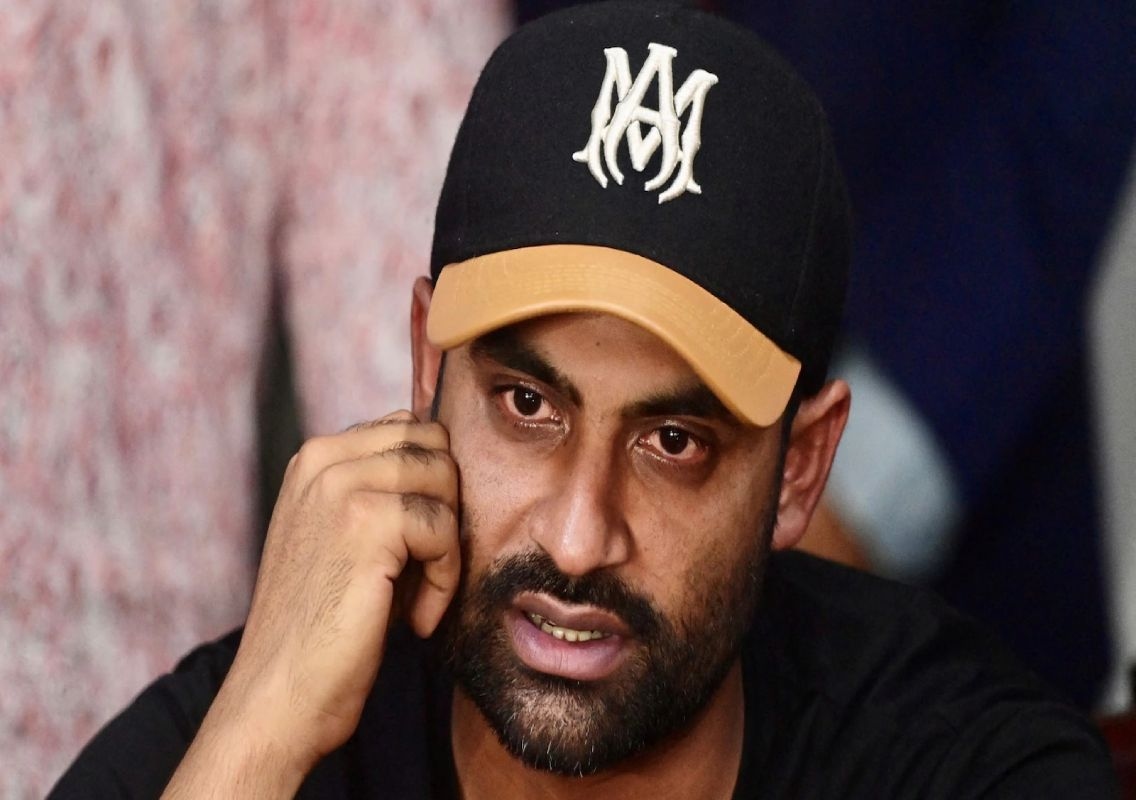


Dhaka: Former Bangladesh captain Tamim Iqbal has been elected as the president of the Bangladesh Cricket Board (BCB), marking a significant transition in the country’s cricket administration. The development formalises his leadership role after previously serving as the head of the board’s ad-hoc committee.
Unopposed rise to the top post
Tamim Iqbal was elected unopposed as president during a board meeting held shortly after the conclusion of the BCB elections. His appointment followed a strong showing in the Club Category contest, where he secured the highest number of votes among all candidates.
He polled 73 votes, narrowly edging past Saeed Ibrahim Ahmed and Israfil Khosru, who each received 72 votes. His performance reflected widespread support among cricket stakeholders and reinforced his status as the frontrunner for the top administrative role.
The Club Category saw 16 candidates competing for 12 positions. While most secured seats, four candidates—Amjad Hossain, Major Imroz, Faizur Rahman and Syed Borhanul Hossain Pappu—failed to get elected. Major Imroz recorded the lowest tally with 20 votes, while Amjad Hossain received 32.
Composition of the new BCB board
The newly formed Bangladesh Cricket Board consists of 25 members, including 23 elected directors. The remaining two positions are set to be filled by the National Sports Council, completing the structure of the governing body.
Following the declaration of results, the board convened and formally elected Tamim Iqbal as president. Fahim Sinha was appointed as one of the vice-presidents. While provisions exist for two vice-presidents, only one name has been announced so far, with the second expected to be finalised in due course.
In the District Category, seven candidates had already been elected unopposed before voting day. Polling was held for the remaining seats, with Shafiqul Alam, Shantanu Islam and Mizanur Rahman emerging victorious from the Khulna and Barishal regions.
Additionally, former cricketer Sirajuddin Mohammad Alamgir secured a directorship unopposed under Category-3, representing organisations and universities.
From cricketing icon to administrator
Tamim Iqbal’s elevation marks a notable shift from his illustrious playing career to cricket administration. Widely regarded as one of Bangladesh’s finest batters, he has been a key figure in the national team’s growth over the years.
Having led the team as captain and contributed consistently across formats, Tamim brings valuable experience and insight into the functioning of international cricket. His earlier tenure as head of the ad-hoc committee provided him with administrative exposure, which is expected to aid him in his new role.
His appointment also reflects a broader trend of former players taking up leadership roles in cricket governance, bringing with them a deeper understanding of players’ needs and challenges.
Key challenges and expectations
As president of the BCB, Tamim Iqbal faces several challenges that will shape the future of Bangladesh cricket. One of the key priorities will be strengthening the domestic cricket structure to ensure a robust pipeline of talent.
Improving infrastructure, enhancing grassroots development programmes and ensuring transparency in governance are expected to be high on his agenda. Bangladesh cricket has shown promise on the international stage but continues to seek consistency, particularly in longer formats.
Tamim’s close association with current and former players could help bridge communication gaps between the board and the team. However, transitioning from a player’s mindset to an administrative role will require a balanced and strategic approach.
A new chapter begins
Tamim Iqbal’s appointment signals a generational shift in Bangladesh cricket administration. With his experience, leadership qualities and understanding of the modern game, expectations are high for a progressive approach under his tenure.
As he assumes full-time leadership of the Bangladesh Cricket Board, the focus will be on delivering long-term stability and growth for the sport in the country. His tenure will be closely watched as Bangladesh aims to strengthen its position in global cricket.
In conclusion, Tamim’s elevation to the presidency represents both continuity and change—continuity in his involvement with Bangladesh cricket and change in the form of a fresh administrative vision. The coming years will determine how effectively he can translate his on-field success into off-field achievements.