







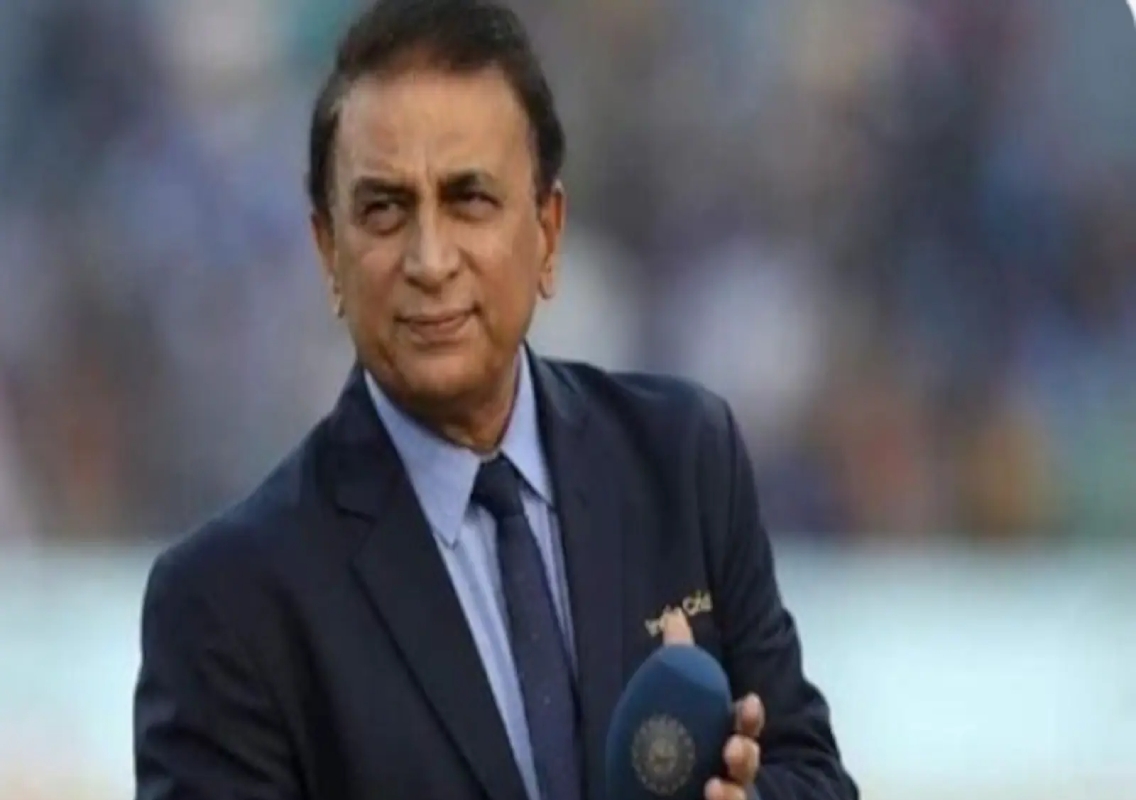


New Delhi: Former India captain Sunil Gavaskar has urged the BCCI and Indian team management to be patient with emerging all-rounders Venkatesh Iyer and Suryansh Shedge, saying the players should be given time to develop rather than being rushed into the national team.
Gavaskar’s comments came while he was discussing India’s growing pool of all-rounders, with Nitish Kumar Reddy also attracting attention after his three-wicket haul against Afghanistan in the second T20I in New Delhi. Gavaskar praised Reddy’s development as a fast-bowling all-rounder and identified Iyer and Shedge as two other players who could provide India with options in the future.
The former opener also stressed the importance of developing their bowling skills. According to Gavaskar, both players are primarily regarded as batters, but greater focus on their bowling could make them more complete all-rounders and give India additional options.
Gavaskar’s message on player development
Gavaskar said Iyer and Shedge are promising all-rounders who need opportunities to develop. He also cautioned against bringing them into the international setup too quickly.
His message was centred on long-term development rather than immediate selection. Gavaskar said the players should be encouraged even when they have a poor match, allowing them to learn and improve without excessive pressure.
The former India captain also suggested that the players should take their bowling more seriously. Since they are primarily selected for their batting, Gavaskar believes they can add another dimension to their games by developing a stronger bowling mindset.
For India, developing players who can contribute in multiple disciplines can provide greater flexibility when teams are selected, particularly in limited-overs cricket.
Nitish Kumar Reddy provides a current example
Gavaskar’s remarks came after Nitish Kumar Reddy produced an impressive performance in India’s second T20I against Afghanistan.
Playing in New Delhi on Tuesday, Nitish returned figures of 3/24 in three overs, helping India restrict Afghanistan and secure a seven-wicket victory. His wickets included Afghanistan captain Ibrahim Zadran, Gulbadin Naib and Rashid Khan.
The performance was significant for Nitish after an injury-disrupted period. He had missed several matches while recovering from a quadriceps injury and had also spent time at the Centre of Excellence in Bengaluru during his rehabilitation.
His return to form with the ball has renewed attention on his role as a pace-bowling all-rounder. He is viewed as an option in the role following Hardik Pandya, although Nitish remains at an earlier stage of his international career.
Nitish’s IPL numbers before injury
Nitish had shown promise during the 2026 Indian Premier League season with Sunrisers Hyderabad.
He scored 302 runs in 13 matches, including a half-century, and also claimed eight wickets. He was able to reach speeds of around 140 kmph, underlining his potential as a player capable of contributing with both bat and ball.
However, his progress was interrupted by a quadriceps injury during the Afghanistan ODI series. As a result, he missed India’s subsequent T20I assignments against Ireland, England and Zimbabwe.
The period away from competitive cricket meant that Nitish lost valuable opportunities to continue developing his bowling. His performance against Afghanistan therefore represented an important step in his return.
Nitish responds after difficult first T20I
Nitish’s three-wicket performance was particularly notable because his first match of the Afghanistan series had been difficult.
In the opening T20I, he conceded 30 runs in two overs. Rather than allowing that performance to affect his confidence, Nitish returned in the second match and produced a substantially improved spell.
Speaking in a video released by the BCCI, Nitish said staying positive and continuing to do the right things were important during his recovery and return.
He also acknowledged the importance of confidence for a player coming back from injury. His performance in the second match provided him with an opportunity to build that confidence and carry it into future matches.
Why Gavaskar mentioned Venkatesh Iyer and Suryansh Shedge
Gavaskar’s comments about Iyer and Shedge reflect India’s broader search for players capable of contributing in more than one discipline.
Iyer has previously played for India and has experience in domestic cricket and the IPL. His ability to contribute with both bat and ball has made him part of the wider discussion around India’s all-rounder options.
Shedge, meanwhile, is another young all-rounder who has attracted attention through domestic and franchise cricket. Gavaskar’s comments place emphasis on development rather than immediate expectations from either player.
The former India captain’s view is that players in this stage of their careers need support and opportunities to improve their secondary skill.
Bowling development could increase India’s options
Gavaskar specifically highlighted the importance of the two players improving their bowling.
A player who is primarily a batter but can consistently contribute several overs can give a team additional flexibility. It can allow the captain to manage the bowling workload differently and create more combinations within the playing XI.
However, developing that skill requires time and regular opportunities. Gavaskar’s comments suggest that young all-rounders should not be judged solely on short-term performances.
He also emphasised that players need encouragement when they have a poor game. A difficult performance can be part of the development process, particularly for players still learning to handle the demands of higher-level cricket.
India continues to build its all-rounder pool
The emergence of Nitish, along with the players mentioned by Gavaskar, comes at a time when India has several players competing for all-rounder roles.
Hardik Pandya remains an established pace-bowling all-rounder, while Ravindra Jadeja and Axar Patel have provided India with established options in different formats. The emergence of younger players gives the team management additional possibilities for the future.
Nitish’s performance against Afghanistan showed how quickly an all-rounder can influence a match when both skills come together. His three wickets played an important role in India’s victory, while his batting remains an important part of his overall value to the side.
For Iyer and Shedge, the development process could similarly involve improving their bowling while continuing to build their batting credentials.
Patience remains central to Gavaskar’s advice
Gavaskar’s message is ultimately about giving emerging all-rounders enough time to develop.
Rather than immediately placing expectations on Iyer and Shedge at the international level, he wants them to be encouraged and helped to strengthen their bowling. His comments also underline the importance of accepting occasional poor performances as part of a young player’s development.
Nitish’s recent performance provides an example of that development process. After injury and a difficult first T20I against Afghanistan, he responded with a three-wicket haul in the second match.
With India continuing to look for players who can contribute in multiple areas, the development of emerging all-rounders could remain an important part of the team’s planning. Gavaskar has now identified Iyer and Shedge as two players to watch, while Nitish’s latest performance has provided another reminder of the value of a developing pace-bowling all-rounder.