







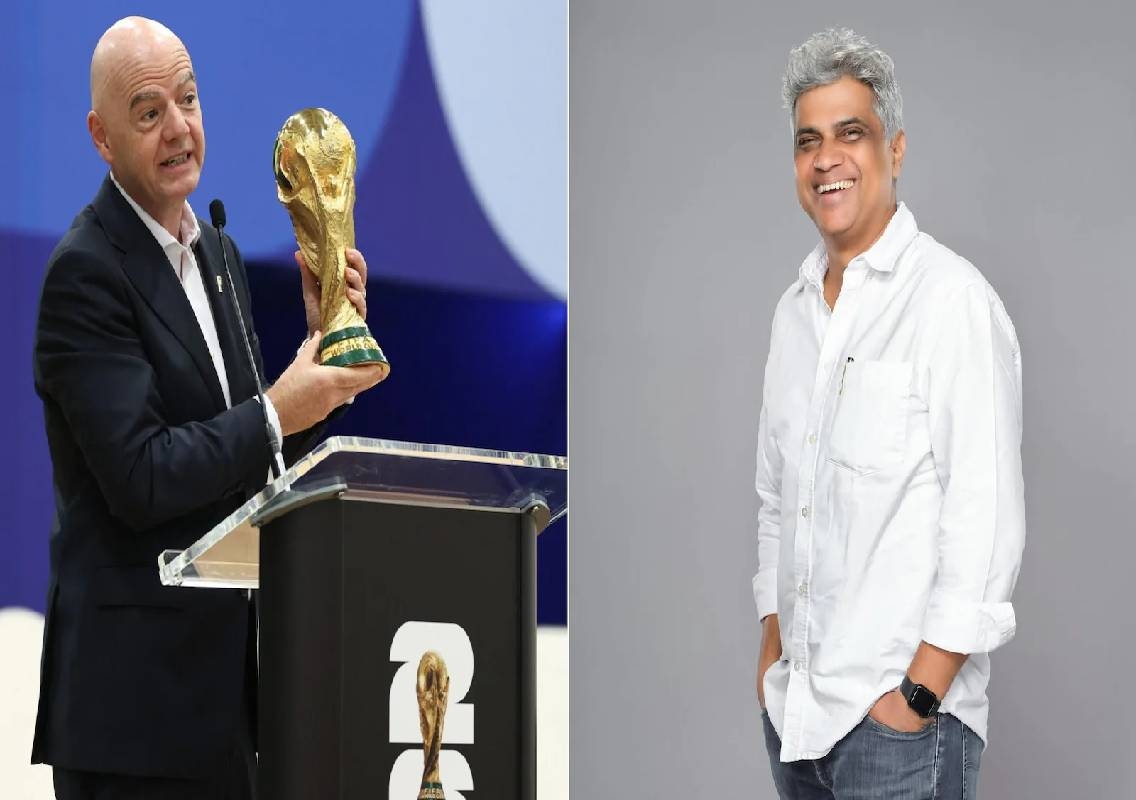


Mumbai: Zee Entertainment has explained the strategic reasoning behind acquiring the broadcasting rights for the FIFA World Cup 2026 in India, positioning the move as part of a long-term plan to strengthen its presence in the sports broadcasting industry beyond cricket.
Through its sports platform Unite8 Sports, Zee stepped in to secure the rights after prolonged negotiations between FIFA and several established broadcasters reportedly failed to reach a conclusion. The acquisition marks Zee’s return to major sports broadcasting and reflects its broader ambition to build a diversified sports ecosystem catering to evolving audience preferences.
Long-Term Vision Beyond a Single Tournament
Speaking about the acquisition, Bavesh Janavlekar, Chief Business Officer of Unite8 Sports, said the decision was not driven by short-term gains but by a long-term strategic vision.
According to Janavlekar, the FIFA World Cup remains one of the most influential sporting events globally, capable of attracting large audiences, generating advertiser interest and creating long-lasting fan engagement across television and digital platforms.
He noted that Indian audiences, particularly younger viewers, are increasingly consuming a wider range of global sports content. Zee identified an opportunity to establish a stronger presence in international sports while creating immersive viewing experiences for fans across the country.
Growing Opportunity Beyond Cricket
While cricket continues to dominate the Indian sports landscape, Zee believes there is significant potential in other sports, particularly football.
Janavlekar highlighted the strong football culture in states such as West Bengal, Kerala, Goa and several North-Eastern regions. He pointed out that the company had already witnessed encouraging engagement through its association with competitions such as the Bengal Super League and the Calcutta Football League.
The company sees sports broadcasting as more than simply televising matches. Its focus is on creating year-round fan engagement through regional content, multilingual coverage and digital-first experiences.
In addition to football, Zee has also expanded its portfolio through properties such as the International League T20 (ILT20), the UP Kabaddi League and India’s cricket tour of Zimbabwe.
Time Zone Concerns Not Seen as a Major Barrier
One of the major concerns surrounding the FIFA World Cup 2026 in India is the time difference, with several matches expected to be played late at night for Indian viewers.
However, Zee believes football fans have historically demonstrated a willingness to stay engaged despite inconvenient match timings.
Janavlekar said the World Cup is a unique sporting event that often transcends traditional viewing habits. Previous editions have shown that fans are prepared to adjust their schedules to follow the tournament due to its global appeal and emotional significance.
To maximise reach, Zee plans to offer multilingual coverage and digital viewing options aimed at making the tournament more accessible to a wider audience.
Importance of FIFA’s Broader Portfolio
Apart from the 2026 FIFA World Cup, Zee’s agreement also includes rights to other FIFA events. The company views these additional tournaments as crucial for maintaining audience engagement between World Cup cycles.
Janavlekar stated that the strategy is not centred solely on one tournament. Instead, Zee aims to create a sustainable football ecosystem by leveraging multiple FIFA properties and fostering deeper fan engagement over an extended period.
The approach is expected to help the company build stronger relationships with football audiences while encouraging growth in emerging football communities across India.
Expanding Sports Presence Across Categories
Looking ahead, Zee plans to continue investing in a diverse range of sports properties.
The company has identified both global and regional sporting events as key growth areas. Alongside football and cricket, Zee intends to strengthen its position in regional sports leagues and create content tailored to local audiences.
According to Janavlekar, the objective is to develop a balanced sports portfolio that combines global events with regional competitions, providing viewers with a broader selection of sporting content.
Conclusion
Zee Entertainment’s acquisition of the FIFA World Cup 2026 broadcasting rights represents a significant step in its effort to establish itself as a major player in India’s evolving sports media landscape. By focusing on football, regional sports and digital engagement, the company is betting on changing consumer preferences and the growing demand for diverse sporting content beyond cricket.