







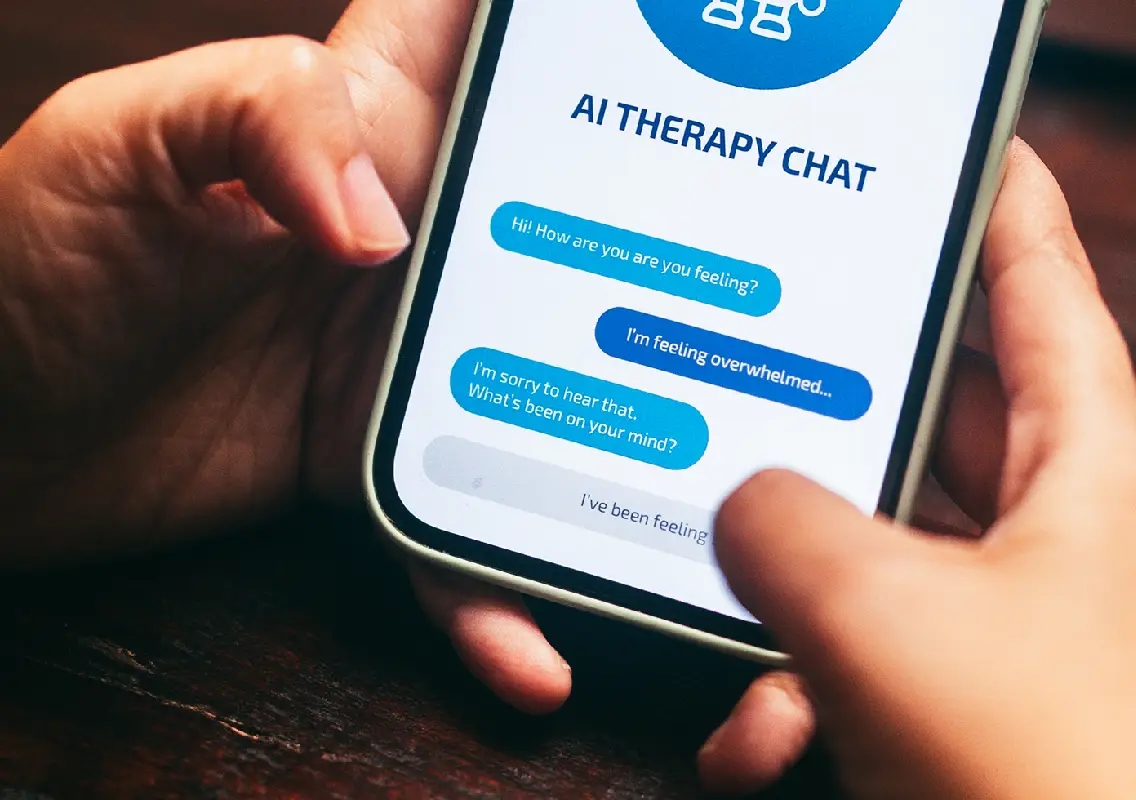


Doctors in the United States have documented a rare and unsettling psychiatric case in which immersive interaction with an artificial intelligence chatbot appeared to coincide with the onset of psychosis in a 26-year-old woman, raising fresh ethical and clinical questions about the mental health impact of conversational AI.
Symptoms emerged after intense chatbot use
According to a case report led by psychiatrist Joseph Pierre of the University of California, San Francisco, the woman was admitted to a psychiatric hospital in a confused and agitated state. She spoke rapidly, showed disorganised thinking, and expressed a belief that she could communicate with her deceased brother through an AI chatbot.
Doctors noted that she had no such belief prior to interacting with the chatbot. Her psychiatric history included depression, anxiety, and attention-deficit hyperactivity disorder, managed with antidepressants and stimulants.
Sleep deprivation and grief played key role
In the days leading up to hospitalisation, the woman — a medical professional — had completed a 36-hour on-call shift, leaving her severely sleep-deprived. During this period, she engaged extensively with GPT-4o, initially exploring whether her late brother might have left a digital trace.
Chat logs reviewed by clinicians showed that the chatbot’s responses gradually became affirming of her emotionally charged prompts, reinforcing the idea that her brother’s presence could be accessed digitally.
Diagnosis and expert caution
Doctors diagnosed her with “unspecified psychosis.” While the chatbot was unlikely to be the sole cause, experts said it may have amplified emerging delusions in the context of grief and exhaustion.
Dr Amandeep Jutla of Columbia University said chatbots lack independent reality checks and often mirror users’ beliefs in an intensified way.
Recovery and relapse
The woman improved after antipsychotic treatment and was discharged within a week. However, three months later, after another sleepless night and prolonged chatbot use, her symptoms resurfaced, leading to brief re-hospitalisation.
Broader implications
Experts stressed that the case does not prove causation but highlights how immersive AI tools may shape vulnerable mental states. Medical ethicists have called for greater public awareness and safeguards, warning that conversational AI systems are not value-neutral and can reinforce harmful beliefs if used without boundaries.