







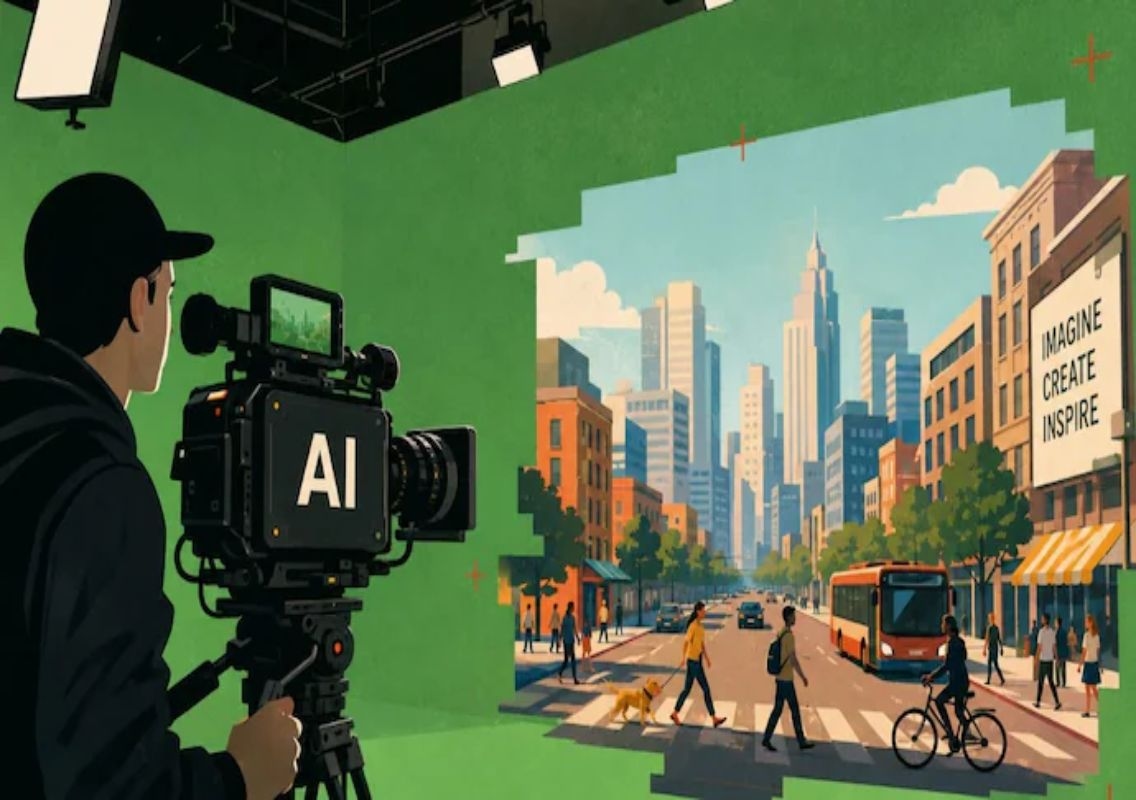


Mumbai: The rise of AI-generated films is sparking a major debate in Bollywood, with filmmakers divided over whether artificial intelligence can truly replicate human storytelling and emotions in cinema.
AI films go viral as tools become more powerful
In recent weeks, AI-generated short films have been circulating widely on social media, with some videos crossing millions of views on platforms like YouTube. Projects such as The Patchwright and other AI-made sci-fi shorts have impressed audiences with their visual polish, often resembling high-budget Hollywood productions.
These films, created using tools such as Seedance 2.0, Veo 3.1 and Midjourney, showcase how rapidly generative AI has evolved. Many of these projects are reportedly developed by independent creators or hobbyists, yet they now resemble professional studio output in terms of visual quality and world-building.
Industry observers note that this shift is lowering entry barriers for filmmaking, allowing individuals to produce near-cinematic content from a laptop without traditional crews or large budgets.
Bollywood filmmakers split over AI’s role in cinema
While AI adoption is growing, Indian filmmakers remain divided over its impact on storytelling. Some industry professionals argue that AI is already becoming a standard production tool, similar to the introduction of digital cameras, CGI and virtual production.
Collective Artists Network founder Vijay Subramaniam said AI will naturally become more integrated into filmmaking workflows, particularly for efficiency and production support. Similarly, Studio Blo co-founder Dipankar Mukherjee highlighted that AI is already being used in mainstream projects, including web series and sci-fi content developed in collaboration with established filmmakers.
However, several filmmakers remain unconvinced that AI can replace human emotion. Director Amit Rai stressed that audiences connect with films because of human intent behind performances, even when the story is fictional. He argued that spectacle alone is not enough without emotional grounding.
VFX professional Arpan Gaglani echoed a similar view, stating that AI tools are valuable but cannot replace storytelling craft. He compared AI usage to technical skills like AutoCAD, noting that tools alone do not make someone an architect or filmmaker.
Global pushback grows amid AI expansion
The debate is not limited to India. Internationally, resistance to AI-generated art has also surfaced. At the Cannes Film Festival, Oscar-winning filmmaker Guillermo del Toro publicly criticised the technology, expressing strong opposition to AI replacing human creativity.
Despite such pushback, AI advocates argue that emotional depth can still be achieved through careful direction, editing and creative intent. They maintain that AI is simply another medium, and like stop-motion or animation, its impact depends entirely on the creator’s vision.
Future of filmmaking remains uncertain
As AI continues to evolve, the film industry is likely to see a growing mix of human-led and AI-assisted productions. While technology is making content creation faster and more accessible, questions remain over originality, authorship and emotional authenticity.
For now, Bollywood appears split between embracing AI as a creative tool and defending traditional storytelling methods rooted in human experience. The outcome of this debate may shape the future of filmmaking in India and beyond.