







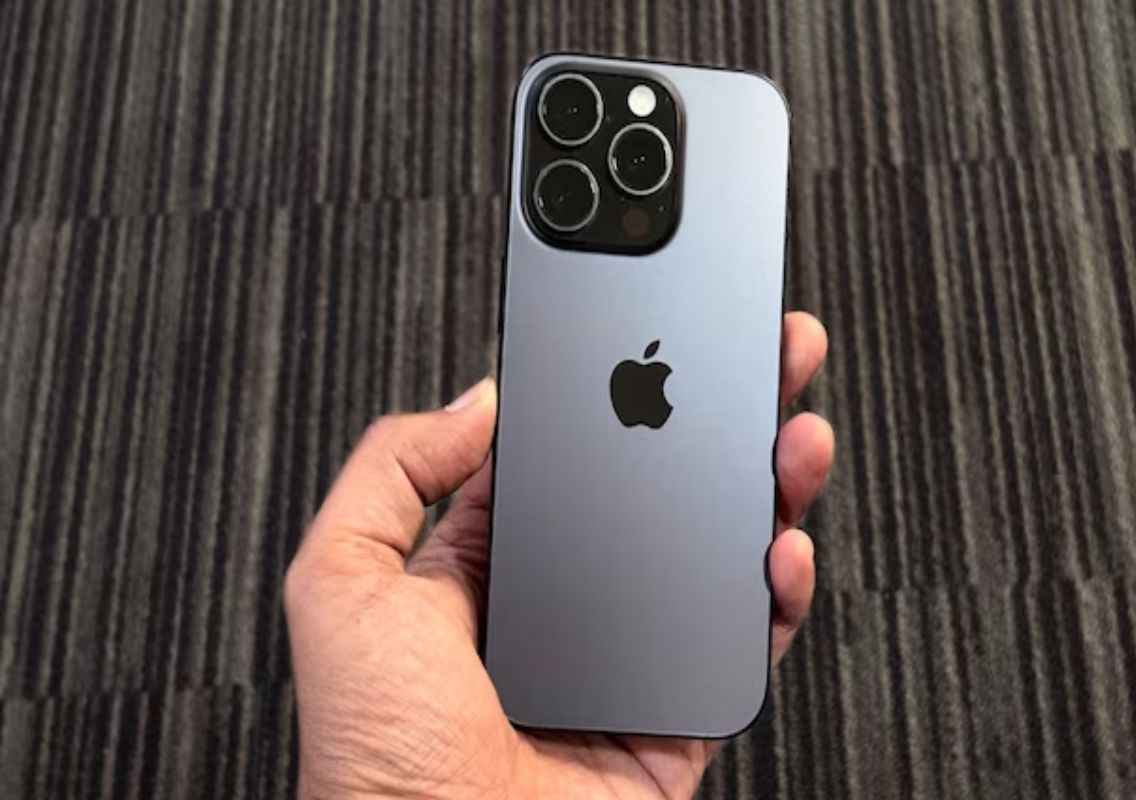


Cupertino: Apple has agreed to a $250 million (approximately ₹2,080 crore) settlement in the United States to resolve a class-action lawsuit that accused the company of misleading consumers about its Apple Intelligence features. The case centred on claims that certain artificial intelligence capabilities, including an enhanced version of Siri, were advertised but not available at the time of the iPhone 16 series launch in 2024.
The proposed settlement, which still requires final court approval, could see eligible iPhone users in the US receive compensation depending on their device purchases and claim submissions.
What the lawsuit alleged
The legal dispute dates back to 2024, when a lawsuit was filed in a federal court in California by plaintiff Peter Landsheft. The complaint argued that Apple’s announcements during its Worldwide Developers Conference (WWDC) 2024 created clear expectations among consumers regarding the availability of Apple Intelligence features.
During the event, Apple had showcased a range of AI-powered capabilities, including a more personalised Siri assistant designed to offer deeper contextual understanding and improved user interaction. The company indicated that these features would be introduced alongside the iPhone 16 lineup later that year.
However, when the devices were released, the lawsuit alleged that the promised features were either significantly limited or entirely unavailable. This, according to the complaint, misled consumers about the functionality and value of the devices they had purchased.
Apple’s response to the claims
Apple has denied any wrongdoing as part of the settlement. In its official statement, the company clarified that it agreed to resolve the matter to avoid prolonged litigation and to remain focused on product innovation.
The tech giant also highlighted that it has already introduced several Apple Intelligence features, including tools such as Visual Intelligence, Live Translation, Writing Tools, Genmoji, and Clean Up. The company maintains that additional features, including the enhanced Siri capabilities, are still in development and expected to roll out at a later stage.
By settling the case, Apple has not admitted fault but has chosen to bring closure to the dispute while continuing its roadmap for AI integration across devices.
Who is eligible for compensation
The settlement applies specifically to customers in the United States who purchased certain iPhone models that support Apple Intelligence within a defined period.
Eligible devices include the iPhone 16, iPhone 16e, iPhone 16 Plus, iPhone 16 Pro, iPhone 16 Pro Max, as well as the iPhone 15 Pro and iPhone 15 Pro Max. To qualify, these devices must have been purchased between June 10, 2024, and March 29, 2025.
Users who meet the eligibility criteria and file valid claims are expected to receive a payment of approximately $25 (around ₹2,380) per qualifying device. The final payout could increase to as much as $95 (roughly ₹9,050), depending on the total number of claims filed.
What happens next
The settlement has received preliminary approval from the court, but a final decision is still pending. Once approved, Apple is expected to notify eligible users via email within 45 days, providing instructions on how to submit claims.
Consumers will likely need to verify their purchase details to receive compensation. The total payout per user may vary depending on how many valid claims are submitted and approved under the settlement terms.
Broader implications for Apple and consumers
The case highlights increasing scrutiny of how technology companies market emerging features, particularly in areas like artificial intelligence where timelines and capabilities can evolve rapidly.
For Apple, the settlement serves as a reminder of the importance of aligning product announcements with actual availability. For consumers, it underscores the need to carefully evaluate advertised features, especially when purchasing premium devices.
While the financial compensation may be relatively modest for individual users, the case sets a precedent regarding accountability in tech advertising and product delivery.
Conclusion
Apple’s $250 million settlement marks a significant development in consumer protection within the tech industry, particularly around AI-driven features. While the company continues to expand its Apple Intelligence ecosystem, the case emphasises the importance of transparency in product marketing.
Eligible users in the US can expect further updates as the settlement moves towards final approval, potentially offering compensation for unmet expectations tied to the iPhone 16 launch.