







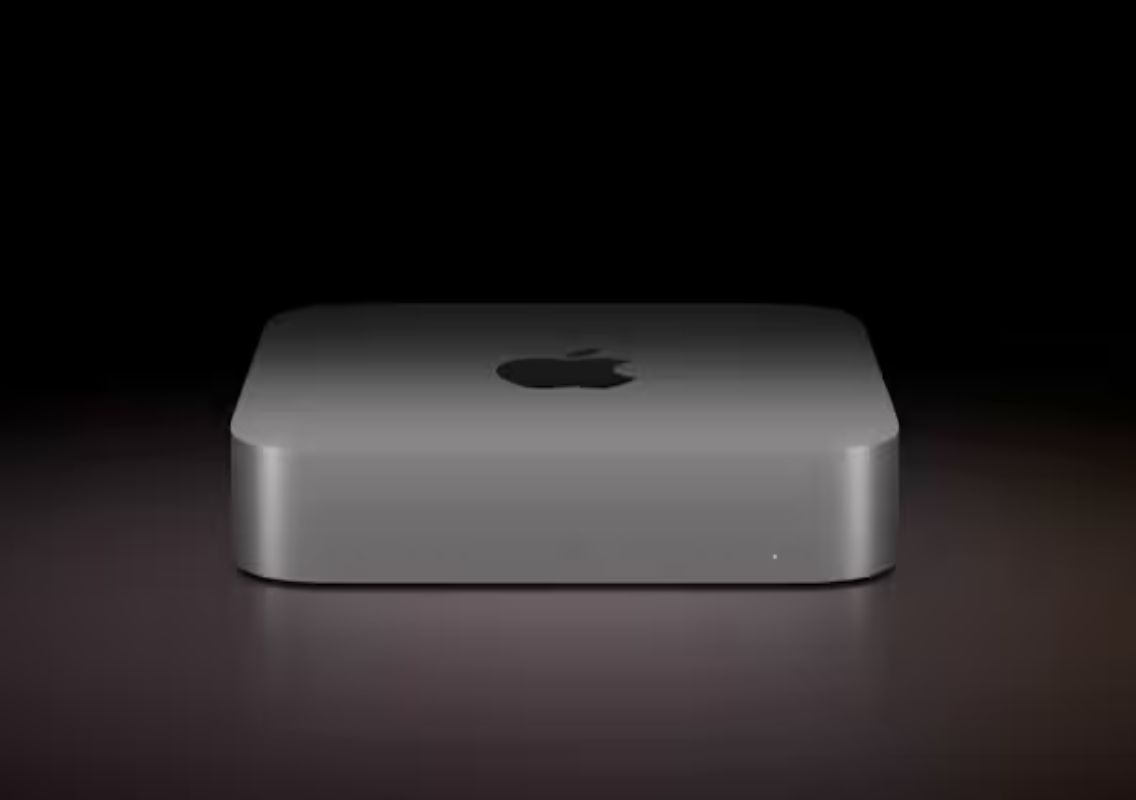


Cupertino: Apple has reported stronger-than-expected demand for its Mac lineup in the second quarter of FY2026, catching both analysts and the company off guard. The surge in demand has been so significant that key desktop models like the Mac mini and Mac Studio are facing supply shortages in several markets.
The company attributed this unexpected growth largely to the rising interest in artificial intelligence (AI), with more users turning to Macs as capable machines for running local AI models and advanced workflows.
AI boom drives Mac sales growth
Speaking on the earnings call, Apple CEO Tim Cook said the company had underestimated how quickly customers would adopt Macs for AI-related tasks. He highlighted that Macs are increasingly being used for running local AI models such as OpenClaw, which require powerful on-device computing.
Cook noted that both laptops and desktops in the Mac ecosystem are proving to be effective platforms for AI and “agentic tools”, leading to faster-than-expected customer adoption.
This trend reflects a broader shift in the tech industry, where consumers and professionals are seeking devices capable of handling AI workloads locally rather than relying entirely on cloud-based solutions.
Strong performance across global markets
Apple reported Mac revenue of $8.4 billion for the quarter ending March 28, surpassing Wall Street expectations that had projected figures in the low $8 billion range. On a year-on-year basis, Mac sales grew by 6 per cent.
The growth was not limited to developed economies. According to Apple CFO Kevan Parekh, the company recorded double-digit growth in several emerging markets, including India and Indonesia.
India, in particular, remains a key focus area for Apple, with the company seeing increasing demand across its product categories, including iPhones and Macs.
Additionally, China emerged as a strong market for desktop Macs, with the Mac mini becoming one of the top-selling desktop computers in the country. Analysts attribute this to China’s rapid adoption of AI technologies, supported by policy-level encouragement.
New launches contribute to momentum
Apple also credited part of the Mac sales growth to its recent product launches, including the MacBook Neo. However, the timing suggests that new devices alone do not fully explain the surge, as they were available for only about six weeks before the quarterly results were announced.
This indicates that underlying demand, particularly driven by AI use cases, is playing a more significant role in boosting Mac sales.
Supply constraints pose ongoing challenge
Despite strong demand, Apple is facing challenges in maintaining supply levels. Popular desktop models like the Mac mini and Mac Studio have reportedly gone out of stock in several regions.
Cook acknowledged that it may take “several months” for supply to catch up with demand. He clarified that the issue is not due to production failures but rather an underestimation of demand.
Industry reports suggest that global RAM shortages are also contributing to the supply crunch. Increased demand for memory components, driven by AI workloads and data-intensive applications, has led to rising prices and limited availability.
These constraints have already impacted Apple’s product lineup. Earlier this year, the company removed certain configurations, including a 512GB variant of the Mac Studio, from its online store.
Outlook remains positive despite shortages
While supply challenges persist, Apple remains optimistic about the long-term growth of its Mac business. The increasing relevance of AI, combined with expanding demand in emerging markets, is expected to sustain momentum in the coming quarters.
However, the company will need to address component shortages and improve supply chain planning to fully capitalise on this demand surge.
As AI continues to reshape computing needs, Apple’s Mac lineup appears well-positioned to benefit — even if, for now, high demand means some models remain hard to find on store shelves.