







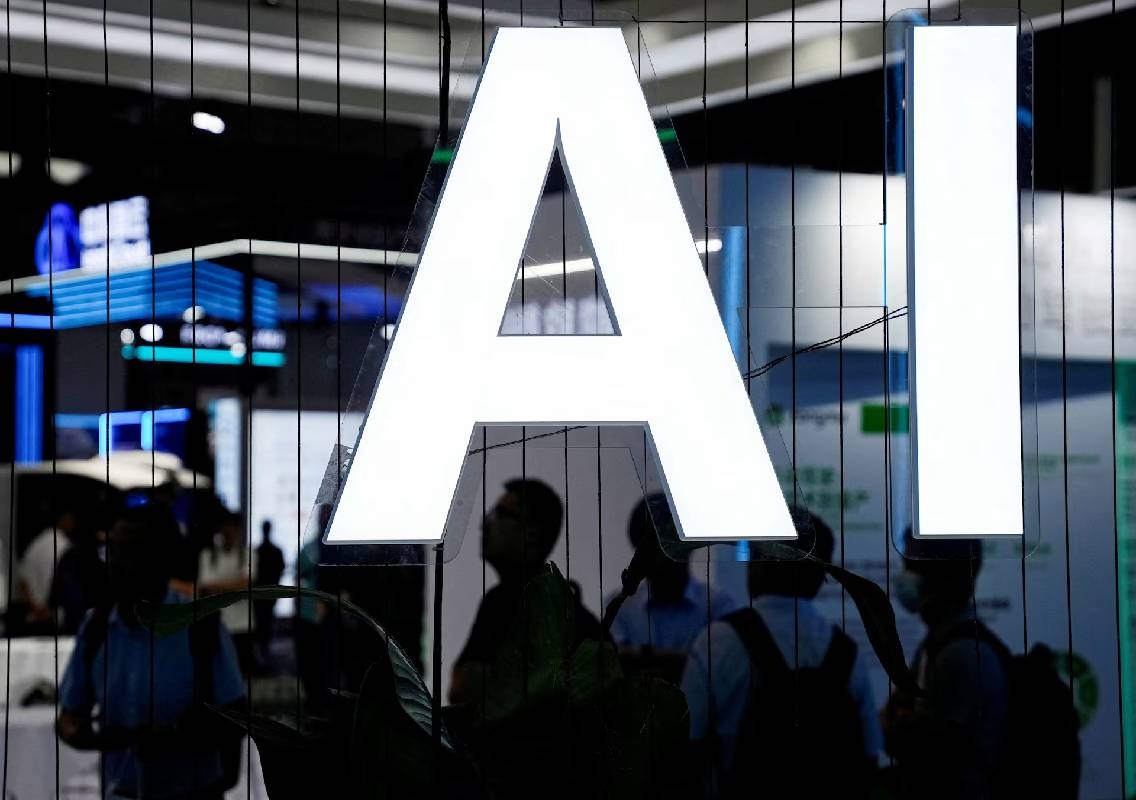


Beijing: China is considering restricting overseas access to its most advanced artificial intelligence (AI) models as Beijing moves to treat cutting-edge AI technology as a strategic national asset. According to a Reuters report, Chinese authorities have held discussions with leading technology companies about limiting foreign access to frontier AI models, including those that are yet to be released.
The proposed measures come as China seeks to strengthen control over its rapidly growing AI sector amid intensifying global competition and rising national security concerns.
Beijing discusses AI export restrictions
Over the past month, officials from China’s Ministry of Commerce have reportedly held meetings with representatives from major technology firms, including Alibaba, ByteDance and AI startup Z.ai.
According to sources familiar with the discussions, authorities explored the possibility of restricting access to China’s most advanced AI models, covering both closed-source systems and more open-weight models that can be downloaded and customised by users.
The scope of the restrictions is still under discussion, with sources indicating they may apply only to future AI models rather than existing products.
DeepSeek and low-cost AI drive China’s rise
Chinese AI companies have gained global attention since the launch of DeepSeek’s R1 model, which demonstrated competitive performance at significantly lower costs than many rival AI systems.
Alibaba’s Qwen models and ByteDance’s Doubao have also become widely used within China, while Z.ai’s GLM-5.2 model has attracted international attention for offering capabilities comparable to leading American AI systems at a fraction of the cost.
Any restrictions on overseas access could affect businesses, developers and researchers worldwide that rely on Chinese AI technologies.
Tougher penalties for AI theft under consideration
Officials also discussed introducing stricter legal protections for proprietary AI technology.
According to Reuters, Chinese authorities are considering making the theft or unauthorised disclosure of advanced AI technology an offence under the country’s national security laws.
The discussions also included proposals to regulate who can invest in domestic AI startups, reflecting Beijing’s increasing focus on safeguarding strategic technologies.
However, no final decision has been announced, and authorities have not indicated when any new measures could take effect.
AI becomes a strategic national asset
China’s approach mirrors growing concerns in several countries about the strategic importance of artificial intelligence.
The United States has also tightened access to some of its most advanced AI systems over national security concerns. Earlier this year, the Trump administration restricted foreign access to Anthropic’s advanced AI models, citing the potential misuse of the technology by foreign governments.
China is now following a similar path by examining whether frontier AI models should receive greater protection.
Concerns over cybersecurity capabilities
Sources told Reuters that Chinese authorities are particularly concerned about the capabilities of Anthropic’s Mythos AI model, which is designed for cybersecurity applications.
Officials reportedly fear such advanced systems could identify and exploit software vulnerabilities that may threaten China’s digital infrastructure.
The concerns have prompted calls within China to accelerate the development of comparable domestic cybersecurity AI technologies.
More regulations likely for AI sector
China has already introduced several measures this year aimed at strengthening oversight of its AI industry.
Authorities have tightened scrutiny of overseas investments involving Chinese AI companies and are investigating whether some domestic startups violated export control regulations after expanding internationally.
Legal experts have also proposed a tiered regulatory framework for open-source AI, under which basic models would require simple registration, advanced systems would undergo security reviews, and the most sensitive frontier models could be restricted to domestic use.
If implemented, the proposals would further strengthen Beijing’s control over advanced AI development while potentially reshaping the global artificial intelligence landscape.