







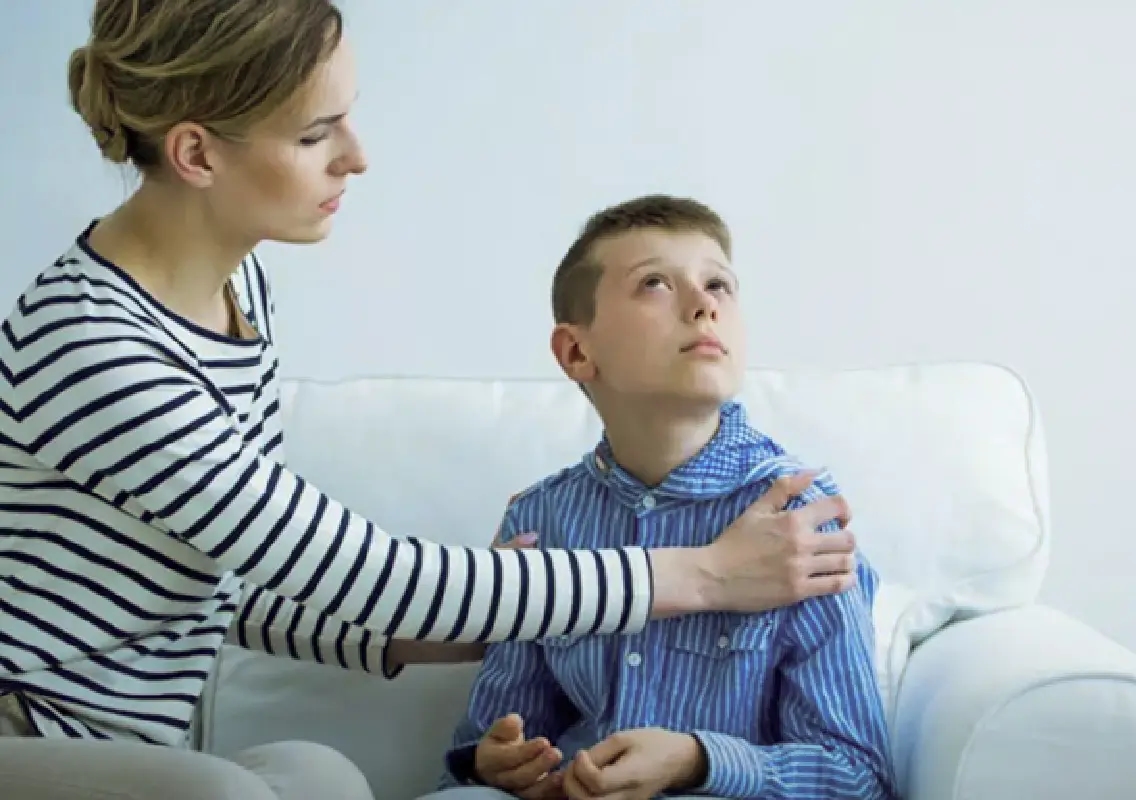


A team of final-year engineering students has developed an artificial intelligence-powered chatbot designed to support parents of children with autism spectrum disorder (ASD) by providing real-time guidance and structured behavioural monitoring.
The project was created by Team Neurostars — Vaishnavi Rajkumar Patil, Abhishek Shivprasad Patil and Ganesh Ramchandra Mahadik, B.Tech students from the Computer Science and IT Department at Rajarambapu Institute of Technology. The innovation was presented at the KRUU & ASME GRASP 2026 AI Hackathon under the “AI for Social Good” category.
Bridging the gap between therapy sessions
The idea emerged after the students interacted with families through DreamUdaan Foundation, an organisation working with autistic individuals. They found that while therapy sessions are essential, parents often struggle with uncertainty between appointments.
The chatbot acts as a supplementary digital companion. It asks five structured daily questions about behavioural patterns, emotional responses and routine changes. Responses are securely stored in Firestore, enabling the system to generate weekly reports summarising progress and highlighting potential concerns.
“It does not replace therapists,” the team clarified. “It supports parents during the gaps between consultations.”
Built on expert-reviewed resources
The system uses a Retrieval-Augmented Generation (RAG) model trained on curated, specialist-approved content and NGO-provided FAQs. Clear disclaimers ensure that users understand it is not a substitute for professional diagnosis or treatment.
By offering structured monitoring and evidence-based suggestions, the chatbot aims to reduce parental stress, improve observation consistency and enhance communication with healthcare professionals.
Addressing challenges responsibly
The team acknowledges risks such as digital literacy barriers and over-reliance on AI. To mitigate these, they plan to maintain a simple interface and continuously update their expert-reviewed database.
As AI increasingly enters healthcare support systems, student-led initiatives like this demonstrate how responsible innovation can address real-world caregiving challenges.