









Mountain View: Google has introduced a new Call for Me feature for Gemini that allows the AI assistant to call businesses, navigate automated phone menus, wait on hold and speak with staff on a user’s behalf.
The feature is designed for everyday tasks that require a phone call, such as checking a shop’s opening hours, asking about service prices, confirming product availability or rescheduling an appointment. Users can provide Gemini with the details of the task, review what the AI plans to say and then allow it to place the call.
Call for Me is currently being rolled out as a beta feature to a limited group of users in the US. Google says the restricted launch will allow it to learn from real-world conversations before making the feature more widely available.
Gemini can handle business calls on your behalf
With Call for Me, users can ask Gemini to contact a business instead of making the call themselves.
The feature is intended for situations where communicating with a business over the phone is necessary. For example, a user could ask Gemini to contact a restaurant to check whether a table is available, call a shop to find out whether a particular product is in stock or contact a service provider to ask about pricing.
Google says Gemini can also handle more complicated conversations rather than simply delivering a predetermined message.
The AI can introduce itself, interact with automated phone systems and respond to questions from business representatives. It can also remain on hold until someone from the business becomes available.
This is an extension of Google’s earlier experiments with AI-powered calling. The company previously introduced tools such as Duplex and Ask for Me, which were designed to help users obtain information from businesses over the phone.
Call for Me expands that concept by allowing Gemini to handle a broader range of requests.
Users can tell Gemini exactly what they need
The feature is designed to work through the Gemini mobile app.
Users can begin a request with “@Call for me” and then describe the task they want Gemini to complete. Google says users can provide details such as dates, times, preferences and alternative options to help the AI understand the request.
For example, a user could ask Gemini to call a restaurant and request a table for two at a particular time.
Before placing the call, Gemini provides a summary of the task. Users can review the information, including the phone number that will be called and the details that will be communicated to the business.
This review step gives users an opportunity to make changes before the call begins.
Once the user approves the request, Gemini can make the call and handle the conversation.
Gemini can wait on hold for users
One of the more practical aspects of Call for Me is its ability to remain on hold.
Waiting for a business representative can be one of the most time-consuming parts of making a phone call. Google says Gemini can handle this part of the process, allowing the user to continue with other activities while the AI waits for someone to answer.
Once a person joins the call, Gemini can continue the conversation and attempt to complete the user’s request.
The feature can also deal with automated phone menus, which means users do not necessarily have to navigate through a series of options themselves.
Google’s approach is intended to make business calls less cumbersome while still giving users visibility into what is happening.
Users can monitor the conversation
Call for Me does not completely remove the user from the process.
During a call, users can view a live transcript of the conversation and listen to the audio. This allows them to follow what Gemini is saying and understand how the business is responding.
Users can also cancel the call if they no longer want Gemini to continue.
More importantly, they can take over the conversation themselves if necessary.
If a user decides to take over, Gemini informs the person on the other end of the call that the user is taking over and then exits the conversation.
This provides an additional layer of control, particularly in situations where a business representative asks something that Gemini cannot appropriately handle.
Gemini has limits on what it can do
Despite its ability to conduct conversations, Call for Me is not designed to handle every type of phone call.
Google says the AI cannot make emergency calls through the feature. It also cannot complete payments on a user’s behalf.
The system is similarly restricted from sharing sensitive personal information such as passwords.
These limitations are important because business conversations can sometimes involve personal, financial or security-related information. By restricting what Gemini can communicate or do during calls, Google is limiting the types of tasks that can be delegated to the AI.
Users therefore remain responsible for situations that require sensitive information, payments or emergency assistance.
Call for Me currently has limited availability
The feature is not yet available to all Gemini users.
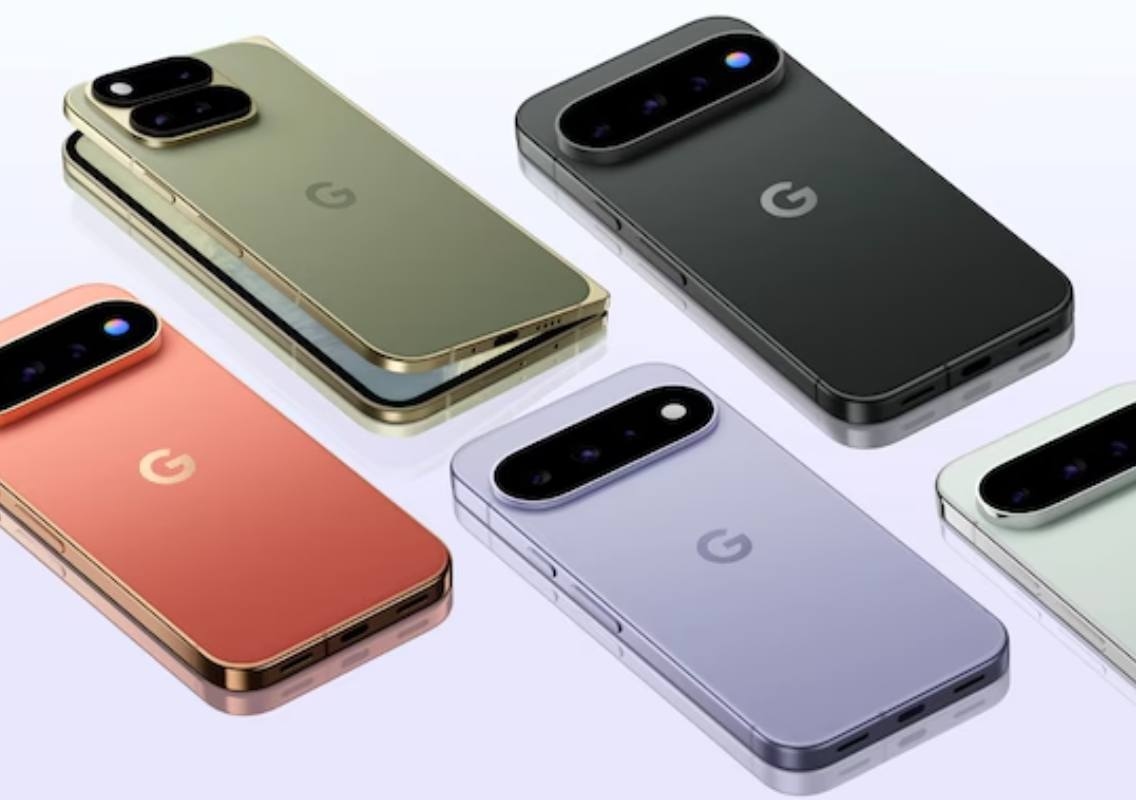
Google is currently offering Call for Me to users aged 18 and above in the US who have a Pixel 11 series device. The feature is also limited to users with a paid Gemini AI subscription.
There are daily limits on the number of calls Gemini can make, and the feature currently supports calls to US phone numbers.
This means users in India and other countries cannot currently use Call for Me to make local business calls through Gemini.
Google has described the rollout as a limited beta rather than a full public launch. The company says real-world conversations can be nuanced, and the initial rollout will give it an opportunity to improve the system based on how people actually use it.
Google is expanding AI’s role in everyday tasks
Call for Me is part of Google’s broader effort to make Gemini capable of completing tasks rather than simply answering questions.
Traditional AI assistants generally provide information in response to a user’s prompt. Features such as Call for Me move towards an assistant model in which the AI can take an action in the real world on behalf of the user.
The difference is particularly noticeable with tasks such as making phone calls. Instead of telling a user how to contact a business or providing its phone number, Gemini can potentially carry out the conversation itself.
However, the feature’s current limitations show that Google is taking a cautious approach. Its restrictions around emergency calls, payments and sensitive information are intended to keep the AI within defined boundaries.
The limited US rollout also gives Google an opportunity to assess how Gemini performs when dealing with the unpredictable nature of real conversations.
For now, Call for Me remains a beta feature available only to a relatively small group of users. If Google’s tests prove successful, the technology could eventually expand to more devices, countries and types of business interactions.