







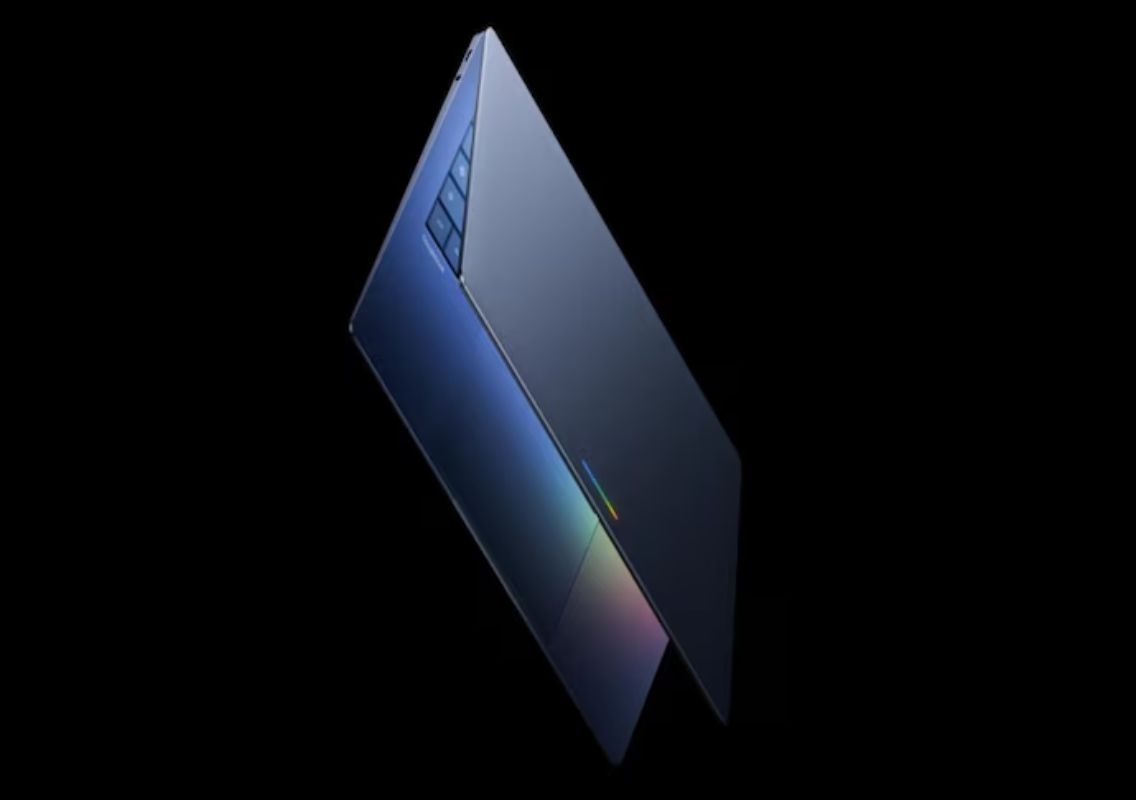


California: Google has introduced a new category of AI-first laptops called “Googlebook” at The Android Show: I/O Edition 2026, signalling a major shift in how personal computing devices could function in the future. Designed around Google’s Gemini artificial intelligence, the new platform is expected to compete directly with premium devices like Apple’s MacBook Neo and high-end Windows laptops.
The announcement marks a significant evolution in Google’s hardware and software ecosystem, combining elements of Android and ChromeOS while placing AI at the centre of the user experience.
What is Googlebook?
Googlebook is not a single device but a new class of laptops powered by a hybrid platform that blends Android and ChromeOS capabilities. According to Google, users will be able to run Android applications natively while enjoying a desktop-like interface similar to Chromebooks.
This move reflects Google’s long-rumoured plans to unify its operating systems into a more versatile platform. The goal is to deliver a seamless experience across devices, particularly as AI becomes more deeply integrated into everyday computing.
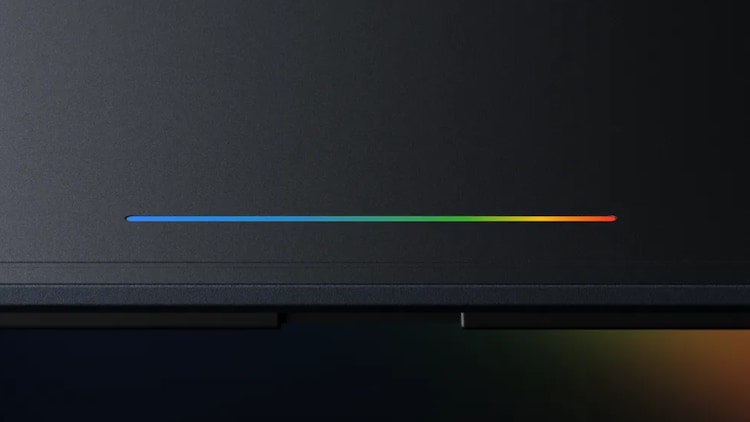
Google has also emphasised that Googlebooks will feature premium build quality, putting them in direct competition with high-end laptops. One standout design element is the introduction of a “glowbar”, a unique visual strip that is expected to offer functional enhancements, although full details are yet to be revealed.
Interestingly, the launch aligns with the 15th anniversary of Chromebooks, which were first introduced on May 11, 2011, highlighting Google’s continued evolution in the laptop space.
Gemini AI at the core of experience
At the heart of Googlebook is Gemini, Google’s advanced AI assistant, which powers a range of new features aimed at transforming how users interact with their devices.
One of the most notable innovations is the “Magic Pointer”. This feature allows the cursor to transform into an AI-powered assistant with a simple gesture. By wiggling the cursor, users can access contextual suggestions, automate tasks, and interact with content more intuitively.
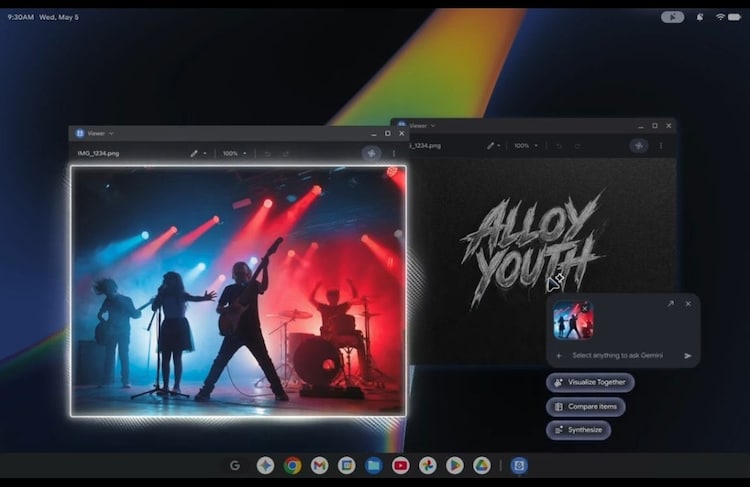
For example, users can point at a date in an email to instantly create a calendar event or select images to visualise design ideas, such as placing a new sofa in a living room layout. The feature has been developed in collaboration with Google DeepMind, showcasing the integration of cutting-edge AI research into consumer devices.
Personalised and intelligent workflows
Googlebook also introduces deeper personalisation through Gemini. Users can create custom widgets simply by giving prompts, allowing the system to generate dashboards tailored to individual needs.
For instance, someone planning a trip can ask Gemini to compile flight bookings, hotel details, restaurant reservations and reminders into a single unified interface on the desktop. The AI can also connect with services like Gmail and Calendar, enabling a more streamlined and organised workflow.
These capabilities aim to reduce the need for switching between apps, making the laptop experience more efficient and intuitive.
Seamless device connectivity
Google is also focusing on cross-device integration with features such as “Cast My Apps” and “Quick Access”. These tools allow users to mirror smartphone apps on their laptop and transfer files seamlessly between Android devices and Googlebook.
This approach mirrors ecosystems offered by competitors, particularly Apple’s integration between iPhone and Mac devices. By enhancing connectivity, Google aims to create a cohesive ecosystem that bridges mobile and desktop experiences.
Industry partnerships and launch timeline
Rather than launching its own hardware immediately, Google has partnered with major manufacturers including Acer, Asus, Dell, HP and Lenovo to bring Googlebook devices to market. These collaborations are expected to result in a variety of designs, sizes and configurations catering to different user needs.
Google has confirmed that Googlebooks are expected to arrive in the market in the fall of 2026, although specific product announcements are yet to be made.
What this means for Chromebooks
The introduction of Googlebook raises questions about the future of Chromebooks. Google has clarified that existing Chromebooks will continue to receive support for their full 10-year lifecycle. However, it remains uncertain whether new Chromebook models will continue to be released alongside Googlebooks.
Conclusion
Googlebook represents a bold step towards AI-driven computing, where artificial intelligence is not just an add-on but the foundation of the user experience. By integrating Gemini deeply into the system and combining the strengths of Android and ChromeOS, Google is aiming to redefine how laptops are used.
As competition intensifies with Apple and Windows manufacturers, the success of Googlebook will depend on how effectively it delivers on its promise of smarter, more intuitive computing. If successful, it could mark the beginning of a new era in personal technology.