







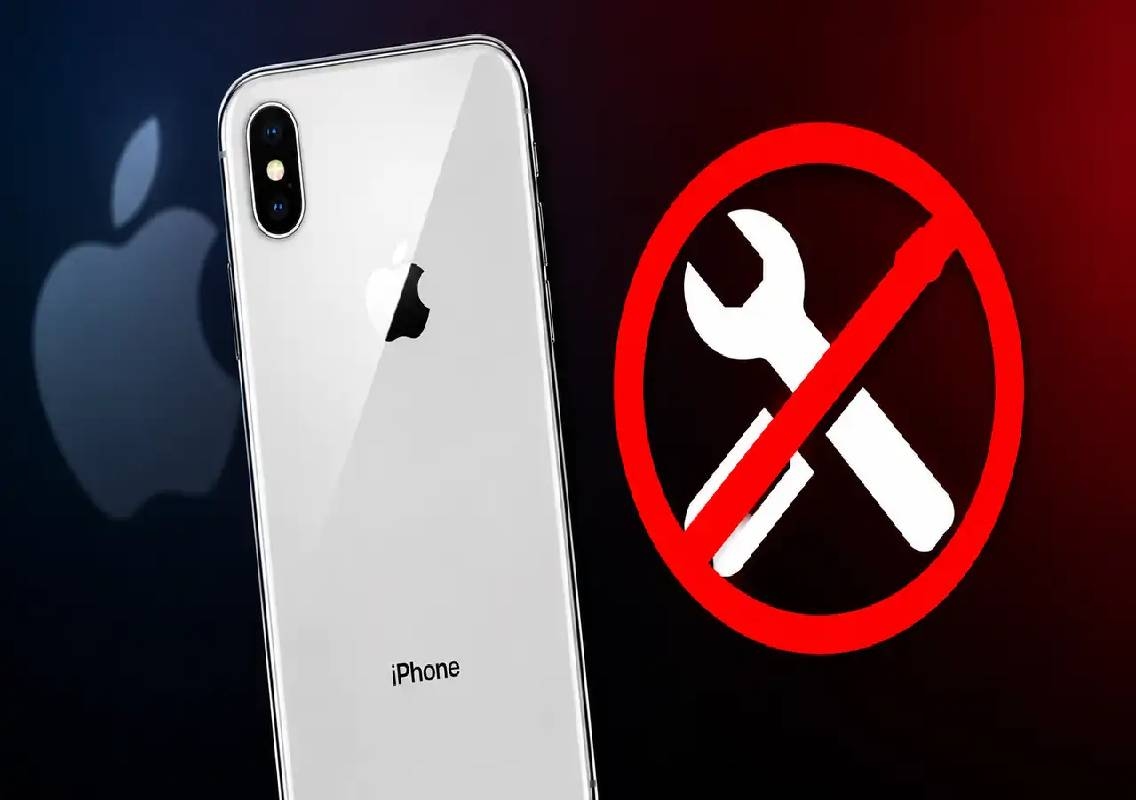


The move does not mean existing iPhone X devices will suddenly stop working. Owners can continue using their phones, but getting official repairs and replacement parts is expected to become significantly more difficult.
iPhone X officially becomes obsolete
The iPhone X was launched in 2017 to mark the 10th anniversary of the iPhone. It introduced a major redesign, removing the traditional Home button and replacing Touch ID with Face ID.
Apple has now classified the device as obsolete, a status that applies to products for which the company stopped distributing them for sale more than seven years ago.
The iPhone X joins a long list of older Apple devices that no longer receive standard hardware support from the company.
What does ‘obsolete’ mean for iPhone X owners?
For consumers, the most important consequence is related to repairs.
Apple says it discontinues all hardware service for obsolete products, while authorised service providers cannot order parts for those devices.
This means iPhone X owners may no longer be able to obtain official Apple repairs for issues involving components such as the display, battery, cameras or other hardware.
Independent repair shops may still be able to repair an iPhone X if compatible parts are available, but such repairs are outside Apple’s official hardware service network.
Your iPhone X will not stop working
The obsolete classification does not remotely disable the smartphone.
An iPhone X that is currently functioning can continue to be used for calls, messaging, browsing, photography and other supported functions.
The major change is that owners have fewer official repair options if the device develops a hardware problem.
This distinction is important because being placed on Apple’s obsolete list is primarily a hardware-service status, not an announcement that the phone has suddenly become unusable.
Software support is a separate issue
Hardware obsolescence and software support are two different matters.
The iPhone X stopped receiving major iOS updates earlier, with its software support ending with iOS 16.
As newer versions of iOS introduce security features, application requirements and compatibility changes, older devices can gradually lose access to some newer features and apps.
Apple also warns that older software versions may eventually lose support for services such as the App Store, Siri and Maps, although this depends on the software version and service requirements.
iPhone X was a major turning point for Apple
Despite its age, the iPhone X remains an important device in Apple’s history.
It was the first iPhone to introduce Face ID, using a facial-recognition system in place of the Home button and fingerprint sensor.
The phone also popularised the notch-based, edge-to-edge display design that influenced several generations of smartphones.
Its stainless-steel construction and gesture-based interface also established design elements that later appeared across Apple’s premium iPhone range.
Why Apple moves older products to the obsolete list
Apple’s classification system is based largely on how long a product has been out of distribution.
According to Apple’s support policy, products become vintage when Apple stopped distributing them more than five but less than seven years ago.
Products become obsolete once Apple stopped distributing them more than seven years ago. For obsolete products, Apple discontinues hardware service and service providers cannot order parts.
The iPhone X, therefore, has crossed Apple’s seven-year threshold.
What should iPhone X users do now?
Existing owners do not necessarily need to replace their phones immediately.
If an iPhone X is working properly, users can continue using it for as long as the device meets their needs and their apps and services remain compatible.
However, owners who rely heavily on the phone should consider a replacement if the battery is significantly degraded or if the device has other hardware problems.
It may also be sensible to back up important data before continuing to use an ageing device, particularly because official hardware support is no longer available.
Repairs could become more difficult
The biggest practical concern is likely to emerge when an iPhone X develops a hardware fault.
Before the obsolete classification, users could potentially approach Apple or authorised providers for eligible hardware service. With the device now officially obsolete, replacement parts are no longer supplied through Apple’s normal service channel. (Apple Support)
Independent repair providers may continue servicing the phone, depending on the availability of compatible components.
However, consumers should check the quality and source of replacement parts before approving repairs.
Is it time to upgrade?
For many iPhone X owners, the decision will depend on the phone’s condition rather than the obsolete label alone.
Users who primarily make calls, send messages and use basic applications may continue using their device.
Those who want newer iOS features, stronger security support, improved cameras, longer battery life or access to applications requiring newer software may benefit from upgrading to a newer iPhone.
The iPhone X’s age also means that its battery is likely to have experienced significant chemical ageing if it is still using its original battery.
A landmark iPhone reaches the end of its official repair life
The iPhone X’s move to the obsolete list is significant because the device represented one of Apple’s biggest design changes in years.
Its removal of the Home button and introduction of Face ID became defining characteristics of the modern iPhone.
Almost a decade later, Apple has now formally ended its official hardware-service lifecycle.
The change illustrates how even historically important smartphones eventually move beyond the period in which manufacturers can practically maintain hardware support.
Conclusion
Apple has officially added the iPhone X to its obsolete products list, meaning the company has ended official hardware service for the 2017 smartphone and service providers can no longer order replacement parts through Apple’s standard channels. (Apple Support)
However, iPhone X owners can continue using their devices. The obsolete classification does not deactivate the phone or immediately prevent it from functioning.
The bigger concern is future repairs, parts availability and compatibility with newer software and applications. For users whose iPhone X remains in good condition, there is no immediate requirement to replace it. But those with ageing batteries or hardware problems may now find upgrading to a newer model more practical.