







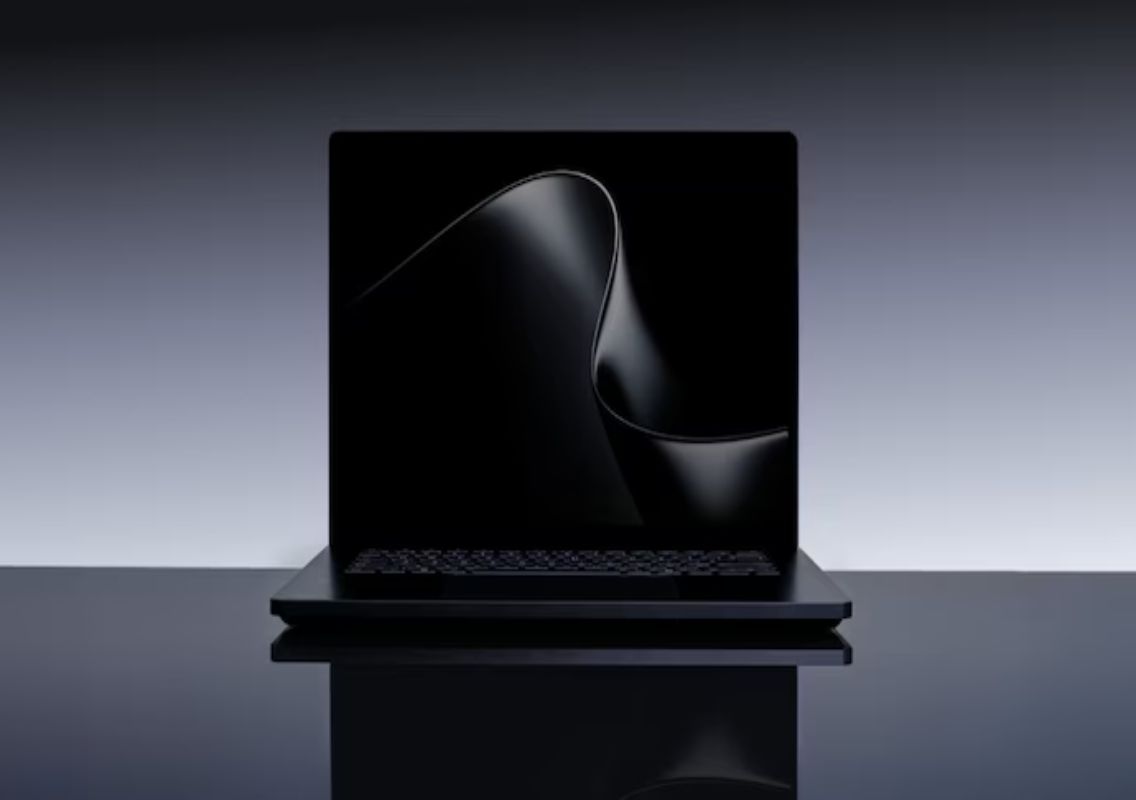


San Francisco: Tech giant Microsoft has introduced its next-generation flagship device, the Surface Laptop Ultra, powered by a new artificial intelligence-focused chip developed in collaboration with Nvidia. The announcement marks a significant step in the evolution of personal computing, as both companies aim to redefine PCs with advanced AI capabilities.
The unveiling comes alongside Nvidia’s introduction of the RTX Spark super chip at Computex 2026, which is designed to enable a new class of AI-powered laptops. The Surface Laptop Ultra is among the first devices expected to leverage this technology, signalling Microsoft’s push towards AI-driven computing experiences.
A new era of AI-powered PCs
For decades, personal computers have largely followed a standard design and performance model. However, the rapid advancement of artificial intelligence is reshaping expectations, with companies now focusing on integrating AI capabilities directly into consumer hardware.
The Surface Laptop Ultra is positioned as Microsoft’s most powerful Surface device to date. According to the company, the laptop is built to handle complex AI workloads locally, reducing dependence on cloud-based processing.
Microsoft CEO Satya Nadella has indicated that more details about the device will be shared during the company’s annual Build developer conference, which begins on June 2 in San Francisco. Nvidia CEO Jensen Huang is also expected to participate in the event, highlighting the importance of the collaboration.
Performance and hardware capabilities
At the core of the Surface Laptop Ultra is Nvidia’s RTX Spark chip, which has been adapted from the DGX Spark mini-PC and optimised for Windows 11. The chip is designed to deliver high-performance computing in a slim and portable form factor.
The device is expected to feature up to 20 CPU cores and 6,144 GPU cores, offering performance comparable to high-end laptop GPUs. It can reportedly deliver up to one petaflop of AI computing power, making it capable of handling demanding tasks such as machine learning, 3D rendering and large-scale data processing.
One of the standout features is support for up to 128GB of LPDDR5X unified memory. This allows the system to dynamically allocate memory between the CPU and GPU, improving efficiency for multitasking and resource-intensive applications.
The laptop also supports Nvidia’s CUDA platform, enabling developers and professionals to run complex workloads and AI models directly on the device. Reports suggest that the system will include a dual-fan cooling mechanism to manage heat generated by high-performance components.
Focus on agentic AI
A key highlight of the RTX Spark chip is its focus on “agentic AI,” a concept that enables autonomous AI agents to perform tasks on behalf of users. According to Nvidia, devices powered by this chip can run AI models with up to 120 billion parameters locally.
This capability could transform how users interact with their devices, enabling advanced features such as real-time automation, intelligent assistance and enhanced productivity tools. The system also integrates Nvidia’s OpenShell platform, which introduces additional security measures for AI operations.
Display and design features
The Surface Laptop Ultra features a 15-inch mini-LED touchscreen display with a pixel density of 262 PPI. It offers up to 2,000 nits of peak HDR brightness, making it the brightest display ever included in a Surface device.
The laptop weighs under 2.04 kg and is available in Platinum and Nightfall colour options. It also includes the largest haptic touchpad ever used in a Surface laptop, enhancing user interaction and precision.
In terms of connectivity, the device includes USB-C and USB-A ports, HDMI output, a full-size SD card slot and a headphone jack. While Microsoft has not disclosed detailed specifications for these ports, the inclusion suggests a focus on versatility and professional use cases.
Battery life and durability
Microsoft claims that the Surface Laptop Ultra will offer all-day battery life, although specific details about battery capacity and charging speeds have not yet been revealed. The device has also been designed with durability and repairability in mind, aligning with growing industry trends towards sustainable hardware.
Launch timeline and expectations
The Surface Laptop Ultra is expected to launch later this year, though Microsoft has not announced pricing details. Given its high-end specifications and positioning, the device is likely to target professionals, developers and power users.
This is not the first time Microsoft has partnered with Nvidia for Surface devices. In 2012, the company introduced the Surface RT powered by an Nvidia ARM-based chip. However, that project faced commercial challenges, resulting in significant financial losses.
Conclusion
The introduction of the Surface Laptop Ultra represents a bold step towards redefining the future of personal computing. By combining powerful hardware with advanced AI capabilities, Microsoft and Nvidia are aiming to create a new category of intelligent PCs.
While the success of this approach will depend on real-world performance and adoption, the device highlights the growing importance of AI in shaping the next generation of technology. As more details emerge at the Build conference, the Surface Laptop Ultra could set the tone for the evolution of AI-powered computing in the years ahead.