







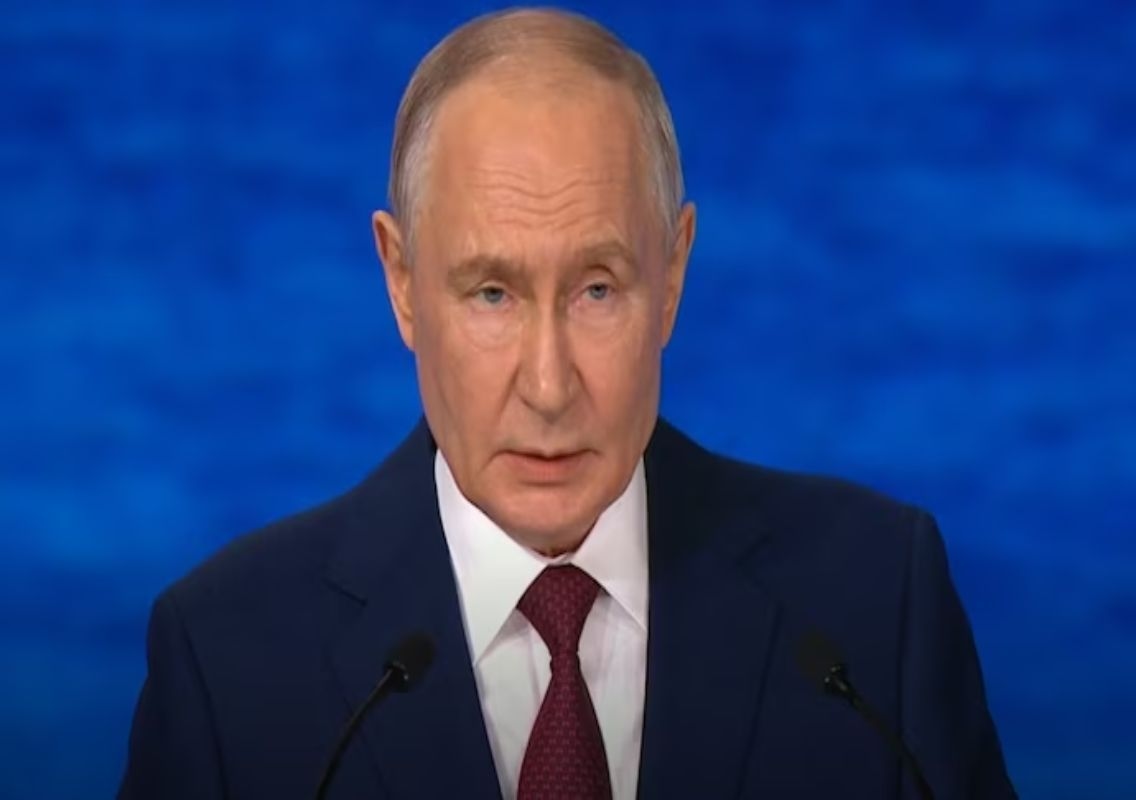


Moscow: Russian security agencies reportedly shut down parts of a specialised surveillance system designed to protect President Vladimir Putin following concerns triggered by an alleged Israeli cyber operation targeting Iran’s CCTV network, according to a recent report.
The move came after reports that Israeli intelligence agencies hacked into surveillance cameras in Tehran to track senior Iranian officials, including Supreme Leader Ayatollah Ali Khamenei. The incident has raised alarms within Russian security circles about vulnerabilities in their own surveillance infrastructure.
Concerns triggered by Iran surveillance breach
According to the report, Israeli forces used advanced cyber capabilities combined with artificial intelligence (AI) tools to analyse footage from Tehran’s closed-circuit television (CCTV) network. This reportedly enabled them to monitor movement patterns and identify high-profile targets with precision.
The operation allegedly played a role in locating Khamenei, who was killed in a joint strike reportedly carried out by the United States and Israel on February 28, 2026.
The reported use of hacked surveillance systems to track a top leader has sparked concerns in Moscow about similar risks to Russian leadership.
Special surveillance system taken offline
The Financial Times reported that Russian authorities temporarily shut down a dedicated surveillance network used to safeguard President Putin and his close aides. This system is separate from Moscow’s broader network of approximately 3 lakh CCTV cameras used for general public monitoring.
Sources indicated that the shutdown was a precautionary measure to prevent potential cyber intrusions. Engineers were tasked with reviewing the system and isolating it from internet connectivity before restoring operations.
It remains unclear when the system was fully reactivated, but the move highlights growing fears about digital vulnerabilities in high-security infrastructure.
AI-driven surveillance raises new risks
Security experts believe that advancements in AI have significantly increased the risks associated with surveillance systems. Modern AI tools can process vast amounts of video data in a fraction of the time previously required, identifying behavioural patterns and tracking individuals across multiple locations.
Russian Federal Security Service (FSB) chief Alexander Bortnikov reportedly warned officials that such technologies could turn surveillance systems into liabilities if compromised. He is said to have pointed to potential “software backdoors” in camera networks that could be exploited by foreign intelligence agencies.
Unlike earlier systems that relied on manual monitoring or limited facial recognition, newer AI platforms can analyse footage using natural language queries. These systems can identify complex scenarios such as repeated movements, suspicious exchanges, or changes in appearance over time.
Ukraine-linked hacking concerns in Moscow
Russian officials were already on alert due to previous incidents involving alleged cyber intrusions into domestic surveillance systems. Reports suggest that Ukrainian intelligence services have accessed traffic camera networks within Russia, raising concerns about internal security breaches.
An unnamed hacker cited in the report claimed that cameras in Moscow, including those near the Kremlin, are “regularly hacked”, though it remains unclear whether such access is used for large-scale analysis.
Additionally, mobile phone data has reportedly been used in past attacks targeting Russian military personnel, further highlighting the evolving nature of digital warfare.
Expanding scope of surveillance technology
The report noted that modern AI-driven surveillance systems can integrate data from multiple sources, including CCTV footage, social media, communication records and even smart device audio inputs.
Once a target is identified, these systems can compile detailed movement histories and social connections over extended periods. This capability allows intelligence agencies to build comprehensive profiles with unprecedented speed and accuracy.
However, the same capabilities also pose risks if systems are breached, potentially exposing sensitive information about high-value individuals.
Conclusion
The reported shutdown of Russia’s specialised surveillance system underscores growing global concerns about the security of digital infrastructure in the age of AI. As surveillance technologies become more advanced, they also become more vulnerable to sophisticated cyberattacks.
The incident highlights the need for stronger safeguards and secure system architectures, particularly for networks designed to protect national leaders. As geopolitical tensions continue to evolve, cybersecurity is expected to play an increasingly critical role in national defence strategies.