







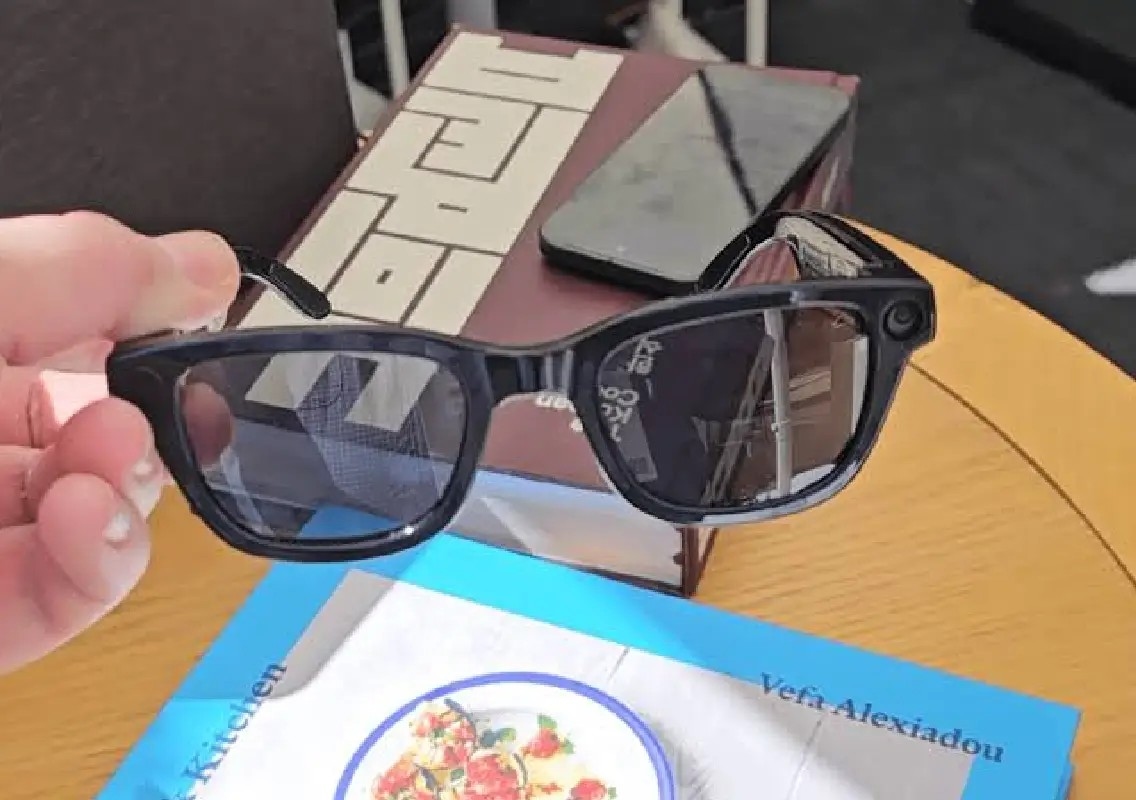


London: As debate grows over privacy concerns surrounding Meta’s smart glasses, disabled and visually impaired users say the technology is providing something equally important: greater independence.
In letters published by The Guardian, users and an optometrist challenged the growing description of Ray-Ban Meta glasses as “pervert glasses” and “spy glasses”, arguing that such language risks unfairly stigmatising people who rely on the technology.
Glasses helping people navigate daily life
Optometrist Aled Brassington said most buyers at his independent practice who purchased the glasses had a visual impairment or learning difficulty. He described how one practically illiterate user could now have written information read aloud to him.
For people with sight loss, everyday activities such as reading signs, menus and notices or navigating unfamiliar streets can be difficult. Smart glasses can offer assistance without requiring users to constantly operate a smartphone.
Another user, Colin Hughes, who has severe muscular dystrophy, said his glasses allow him to make calls, send WhatsApp messages, take photographs and start video calls using voice commands.
He described the technology as a means of independence, communication and safety rather than a novelty.
Privacy concerns remain important
The users acknowledged that concerns about secretly recording people are legitimate. They argued, however, that regulation should focus on misuse rather than treating every wearer as suspicious.
Suggestions included making recording indicators more visible, preventing users from disabling them and improving transparency around data use.
They also pointed to the widespread presence of cameras in smartphones, CCTV systems, doorbells and dashcams, arguing that privacy rules should be applied consistently.
Calls for accessibility to remain part of debate
The central message from the contributors is that privacy and accessibility do not have to be competing priorities.
For many disabled people, smart glasses are not simply another gadget. They can help them read, communicate, navigate and participate more independently in everyday life.
As regulators consider how to address the risks posed by wearable cameras, users say their experiences should remain part of the conversation.