







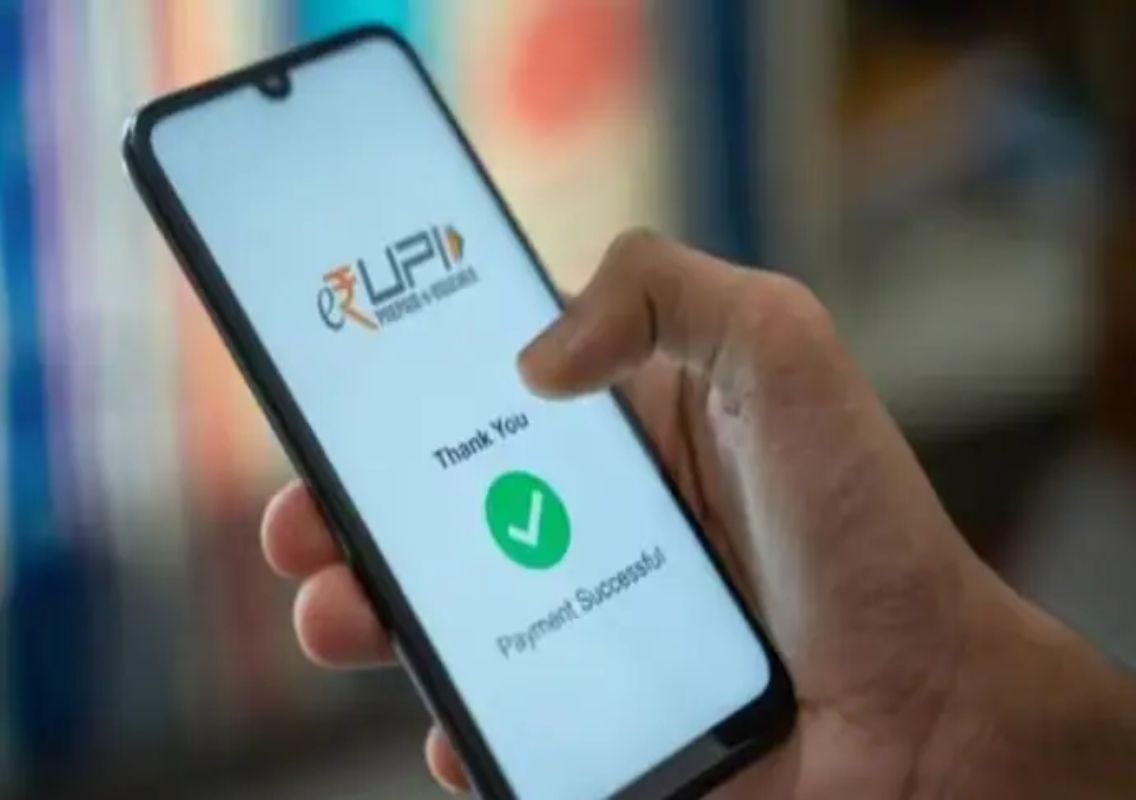


Mumbai: India’s digital payments ecosystem could soon witness another major upgrade, with a new UPI feature under development that may allow users to make payments without an active internet connection. The proposed system will use Near-Field Communication (NFC) technology to enable offline transactions between smartphones and merchant point-of-sale (PoS) terminals.
The development is expected to strengthen digital payment access in locations with limited connectivity, including flights, underground transport networks and remote areas. The feature will reportedly support transactions through an on-device wallet linked with UPI Lite, allowing users to make quick payments even when mobile data services are unavailable.
NFC-based offline UPI payments in development
According to reports, the upcoming feature will allow users to transfer money through short-range wireless communication rather than relying on an internet connection. NFC technology enables two compatible devices placed close to each other to exchange information securely and quickly.
Under the proposed system, users will first need to add funds to an on-device digital wallet through UPI Lite while they have internet access. Once loaded, the balance can be used for offline payments at compatible merchant terminals.
The reported transaction limit for these offline payments is expected to be capped at Rs 2,000. This limit is aimed at improving convenience while reducing risks associated with offline digital transactions.
The National Payments Corporation of India (NPCI), which operates the UPI ecosystem, is expected to certify compatible PoS device manufacturers to support this feature.
How the new system could work
The NFC-based UPI feature is designed to simplify small-value payments. Unlike traditional UPI transactions, which require real-time authentication through internet connectivity, offline payments would rely on preloaded wallet balance stored securely on the user’s device.
For example, a passenger travelling on a flight could potentially make a payment at an onboard facility by tapping their NFC-enabled smartphone on a compatible terminal. Similarly, commuters in underground metro networks where internet signals are weak could use the feature for quick transactions.
The system could also benefit small merchants operating in regions where internet connectivity remains inconsistent.
However, users may still need internet access periodically to recharge their UPI Lite balance, update transaction records and maintain account security.
Existing offline payment options in India
Offline digital payments are not completely new in India. Several services already allow users to make transactions without mobile data, although they depend on alternative communication networks.
The *99# service allows users to access banking facilities through USSD codes without requiring internet connectivity. It works on GSM-enabled mobile phones, including basic feature phones, and supports multiple Indian languages.
Users can dial *99#, select their bank, enter payment details and authenticate transactions using their UPI PIN. The service supports payments up to Rs 5,000 per transaction.
Another service, UPI 123Pay, was introduced to bring digital payments to feature phone users. It allows customers to make payments through voice-based instructions without requiring smartphones or internet access.
Through UPI 123Pay, users can call a designated number, select their preferred language and complete payments by following audio prompts. Merchant payments through the service have limits based on regulatory guidelines.
Boost to financial inclusion
The proposed NFC-based UPI feature could further expand India’s digital payment network by addressing one of the biggest challenges — connectivity dependency.
India has witnessed rapid growth in UPI adoption, with billions of transactions processed every month. However, internet availability remains uneven, particularly in rural and remote regions.
An offline payment system could make digital transactions more reliable and accessible for millions of users. It may also help sectors such as transport, tourism, retail and small businesses where quick, low-value payments are common.
The technology could complement existing UPI services rather than replace them, creating a wider range of payment options for consumers.
Security and regulatory considerations
While offline payments offer convenience, security remains a key concern. Regulators and payment companies will need to ensure that stored wallet balances cannot be misused and that transaction verification mechanisms remain robust.
The introduction of transaction limits is expected to reduce risks, especially in cases where devices are lost or stolen.
NPCI’s certification process for PoS manufacturers will also play an important role in ensuring that payment terminals meet security standards before widespread adoption.
Conclusion
The upcoming NFC-based UPI feature could mark a significant step in India’s digital payments journey by allowing transactions without internet connectivity. By combining UPI Lite with NFC technology, the system aims to make digital payments faster, more accessible and reliable.
If implemented successfully, offline UPI could strengthen financial inclusion and provide consumers with a seamless payment experience even in areas where internet access remains a challenge.