







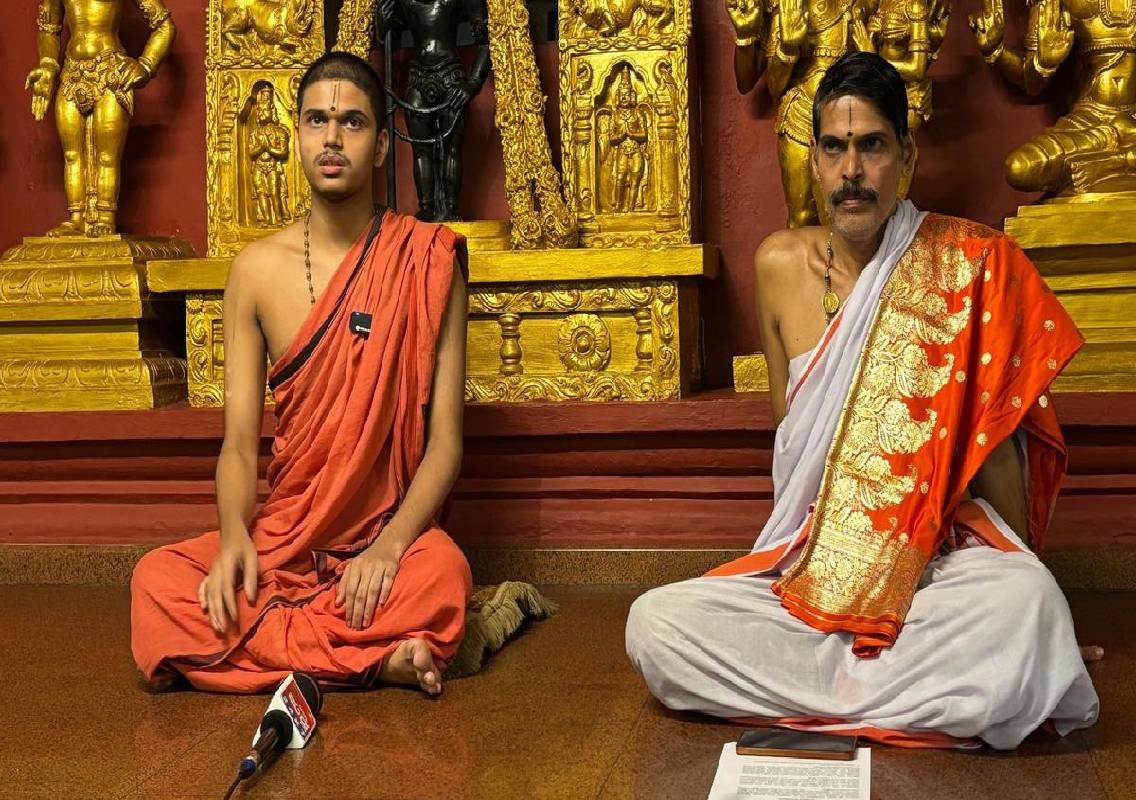


Udupi: The historic Sri Krishna Mutt in Udupi is set to celebrate Sri Krishna Janmashtami over three days from September 4, with a series of religious rituals and traditional festivities planned for devotees. The celebrations will centre on the worship of Lord Krishna and will include the temple’s distinctive traditions associated with the festival.
Sri Krishna Janmashtami falls on September 4, 2026, and Udupi will be among the important pilgrimage centres where devotees gather to mark the birth of Lord Krishna. The festival is particularly significant at the Udupi Krishna Mutt, where Janmashtami is followed by traditional celebrations associated with Krishna’s childhood pastimes.
The three-day programme is expected to draw devotees from Udupi, neighbouring districts and other parts of Karnataka, adding to the festive atmosphere around the temple town.
Janmashtami celebrations begin on September 4
The celebrations at Udupi Krishna Mutt will begin on September 4, coinciding with Sri Krishna Janmashtami. According to the traditional calendar, September 4 will mark Krishna Ashtami, with Rohini nakshatra also occurring during the day.
Janmashtami commemorates the birth of Lord Krishna, who is revered as an incarnation of Lord Vishnu. The festival is traditionally observed with fasting, prayers, devotional singing and special worship, culminating around midnight, the time associated with Krishna’s birth.
At Udupi, the occasion has a distinctive religious character because the Krishna temple is closely associated with the Madhva tradition established by Sri Madhvacharya.
The temple’s annual Janmashtami celebrations combine formal religious rituals with public festivities, allowing devotees to participate in worship as well as witness traditional cultural practices.
Udupi Krishna Mutt’s unique Krishna tradition
The Sri Krishna Mutt is one of the most important religious institutions in coastal Karnataka. The temple is dedicated to Lord Krishna and is particularly known for the way devotees receive darshan through the Kanakana Kindi, a window associated with the saint Kanakadasa.
The Krishna idol at Udupi has been worshipped for centuries and is central to the spiritual identity of the town.
The temple is also connected to the eight Madhva monasteries, or Ashta Mutts, which have traditionally taken turns administering the Krishna Mutt under the Paryaya system. The current Paryaya is being administered by the Shiroor Mutt.
The Janmashtami celebrations therefore carry significance not only as a festival but also as part of the continuing religious traditions of Udupi.
Three days of religious and cultural programmes
The three-day celebration is expected to include several rituals and activities associated with Krishna worship.
The temple’s traditional festival practices include special worship of the deity, devotional programmes and public celebrations. The festival traditionally extends beyond the actual Janmashtami observance, with events connected to Krishna’s childhood stories and playful activities.
The official description of festivals at the Krishna Temple notes that Janmashtami is followed by rituals and celebrations connected with Mosaru Kudike, a traditional event associated with Krishna’s childhood pastime of breaking pots of curd.
Such traditions give the Udupi celebration a character that is different from a simple temple puja. The festival combines religious observance with community participation and traditional performances.
Vittal Pindi is an important attraction
One of the major attractions associated with the Udupi Janmashtami celebrations is Vittal Pindi.
The festival is traditionally connected with the day after Janmashtami and features the idol of Lord Krishna being taken around the Car Street in a procession. Traditional celebrations involving pots, music and performances are associated with the event.
The official temple festival description explains that the idol is taken around the Car Street in a palanquin, while pots containing coloured water are suspended from wooden poles. Participants attempt to break the pots as part of the celebration.
The event represents Krishna’s childhood activities and has become one of the most recognisable features of the Janmashtami festivities in Udupi.
Devotees and visitors can expect the Car Street and surrounding areas to become particularly lively during the procession and associated celebrations.
Traditional performances add to the festivities
Udupi’s Janmashtami celebrations also feature traditional performances that reflect stories from Krishna’s childhood.
The temple’s description of the festival mentions fancy-dress performances based on Krishna’s childhood activities as well as traditional dances performed during the procession.
These performances form part of the cultural dimension of the festival and help connect younger generations with the stories and traditions associated with Krishna.
The celebrations also provide an opportunity for local cultural groups and performers to participate in the festivities.
For visitors, this combination of religious rituals, processions and traditional performances makes Janmashtami an important period to experience Udupi’s cultural heritage.
Devotees expected to visit Udupi
The festival is likely to bring a significant number of devotees to Udupi.
The city is a major pilgrimage destination throughout the year, and the Krishna Mutt attracts devotees from across Karnataka and other parts of India. Festival days generally see increased footfall as devotees travel specifically to participate in special worship and celebrations.
The temple’s unique tradition of offering darshan through the Kanakana Kindi is an important attraction for pilgrims. The Krishna Mutt and the surrounding Car Street also form the centre of religious activity during major festivals.
With Janmashtami falling on September 4 this year, devotees planning to visit Udupi are likely to make arrangements in advance, particularly because the celebration will extend over several days.
Midnight worship remains central to Janmashtami
The central religious moment of Janmashtami is associated with midnight, when devotees traditionally mark the birth of Lord Krishna.
In 2026, the Krishna Ashtami tithi begins in the early hours of September 4 and extends into September 5, while Rohini nakshatra also occurs on September 4.
The exact timing of rituals can vary depending on the local panchang and the tradition followed by a particular temple.
At Udupi, the temple’s own religious calendar and established customs determine the sequence of rituals and celebrations.
For devotees, the midnight observance is an important spiritual component of the festival, with prayers and worship focused on the birth of Krishna.
Significance of Krishna Janmashtami
Janmashtami is observed across India and marks the birth of Lord Krishna.
The festival is celebrated in different ways depending on regional traditions. In many parts of India, devotees observe a fast during the day and gather at temples for prayers and devotional programmes before the midnight celebration.
In Maharashtra, the festival is closely associated with Dahi Handi, while in several southern states it is observed through temple worship and household rituals.
Udupi’s celebrations have their own distinctive identity because of the city’s association with Krishna worship and the Madhva tradition.
The festival provides an opportunity for devotees to reflect on Krishna’s teachings while participating in centuries-old religious and cultural practices.
Udupi’s connection with Sri Madhvacharya
The Krishna Mutt occupies a special place in the history of the Dvaita Vedanta tradition.
Sri Madhvacharya, the 13th-century philosopher and founder of the Dvaita school, established the Udupi Krishna tradition and is associated with the eight monasteries that continue to play a role in the administration and religious activities of the temple.
The Paryaya system allows the eight Mutts to take turns managing the Krishna Mutt. This system has helped preserve Udupi’s distinctive religious traditions over several centuries.
Janmashtami is therefore not simply a festival in Udupi. It is also an important annual occasion for the temple’s religious institutions and the wider Madhva community.
Car Street to become the centre of activity
The Car Street, or Ratha Beedi, surrounding the Krishna Mutt is expected to play an important role during the celebrations.
The area traditionally becomes the focal point for temple processions and public festivities. During Vittal Pindi and related events, devotees gather along the streets to witness the decorated procession and participate in the celebrations.
The Udupi Krishna Mutt’s traditional festival description specifically refers to the movement of the Krishna idol around the Car Street during the celebrations.
The historic surroundings of the temple, combined with decorations and devotional activities, create a distinctive atmosphere during Janmashtami.
Preparations likely to intensify ahead of festival
With the festival beginning on September 4, preparations around the Krishna Mutt and surrounding areas are expected to intensify in the days leading up to the celebrations.
Temple authorities and local administration will have to manage the expected increase in devotees, particularly during major rituals and processions.
Arrangements for crowd movement, darshan, traffic management and public facilities are especially important during major temple festivals.
Devotees travelling from outside Udupi may also need to plan accommodation and transport in advance because demand can rise around Janmashtami.
The three-day programme is expected to keep the temple town busy throughout the festival period.
Religious traditions remain at the heart of the celebration
Despite the public and cultural elements of the festival, religious rituals remain at the centre of Janmashtami at Udupi.
Devotees gather for special prayers and worship of Lord Krishna, while priests perform the prescribed rituals according to the temple’s traditions.
The celebration also reinforces the connection between Udupi’s religious institutions and the wider community.
For many devotees, visiting the Krishna Mutt during Janmashtami is an opportunity to participate in a sacred tradition that has continued for generations.
The combination of devotion, music, processions and community celebrations makes the occasion one of the important events on Udupi’s annual religious calendar.
Udupi prepares for a major festival season
The Janmashtami celebrations come as Udupi continues to attract pilgrims throughout the year.
The city’s Krishna Mutt, along with other temples and religious institutions in the district, forms an important part of Karnataka’s pilgrimage circuit.
Festival periods bring increased activity to hotels, restaurants, transport services and local businesses as visitors arrive from different parts of the State and beyond.
The September celebration is therefore significant not only from a religious perspective but also for Udupi’s local economy and tourism sector.
The expected increase in visitors will make efficient crowd and traffic management important for ensuring a smooth festival.
Conclusion
Udupi: The Sri Krishna Mutt is set to celebrate Sri Krishna Janmashtami for three days from September 4, 2026, with special religious rituals, devotional activities and traditional festivities planned around the historic temple. Krishna Janmashtami falls on September 4 this year, with Krishna Ashtami and Rohini nakshatra forming part of the festival’s traditional observance.
The celebrations are expected to include traditions associated with Udupi’s distinctive Janmashtami observance, including Vittal Pindi and Mosaru Kudike, where the idol of Lord Krishna is taken around the Car Street and traditional pot-breaking festivities are held.
With devotees expected to gather from different parts of Karnataka and beyond, Udupi is likely to witness a vibrant religious atmosphere during the three-day celebration. The festival will once again bring together the city’s deep connection with Lord Krishna, the Madhva tradition and its long-standing temple customs.