







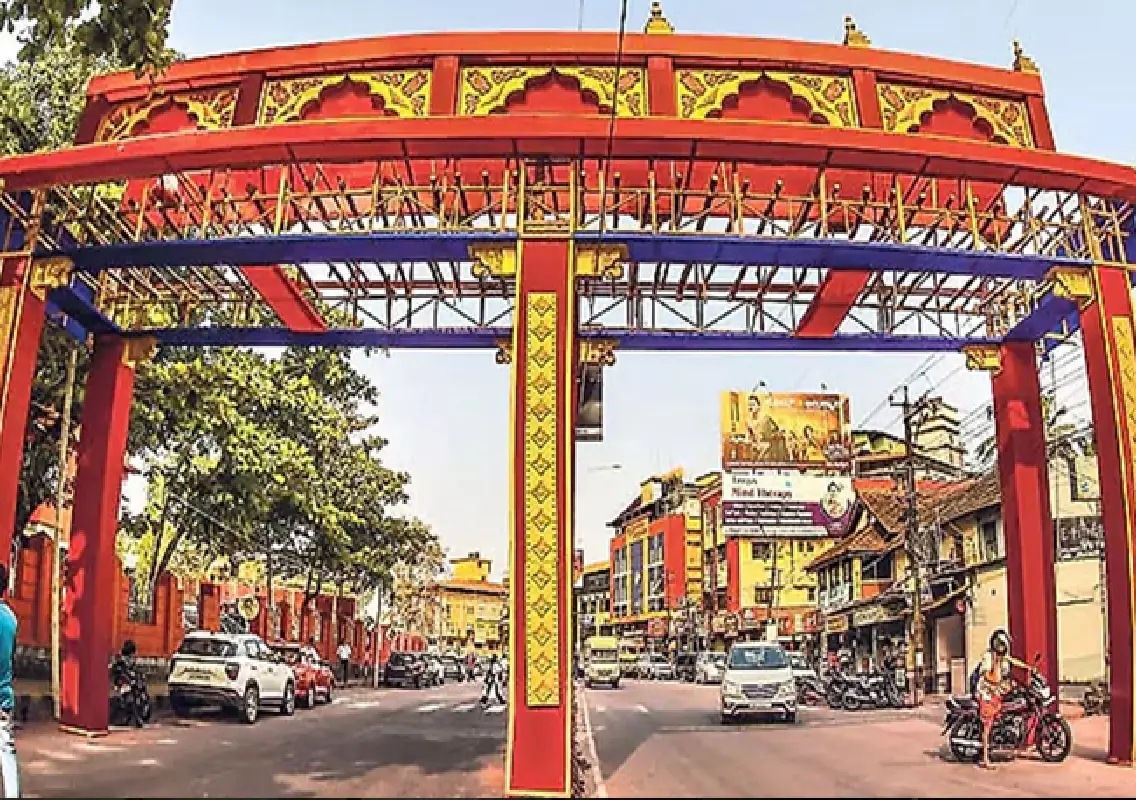


Udupi: The coastal temple town of Udupi is set to witness the grand biennial Paryaya Mahotsava in the early hours of January 18, marking the ceremonial transfer of ritual and administrative control of the historic Sri Krishna Temple to Shiroor Matha. The event, steeped in centuries-old tradition, is expected to draw massive participation from devotees, religious leaders and dignitaries from across Karnataka and beyond.
Sri Vedavardhana Tirtha Swamiji of Shiroor Matha will formally assume charge as the pontiff-administrator of the Sri Krishna Temple for the 2026–28 Paryaya term. Authorities said all preparations have been completed to ensure the smooth conduct of the sacred ceremony, which holds immense religious and cultural significance in the Udupi region.
Sacred transition under the Paryaya system
The Paryaya system is a unique rotational arrangement under which the Sri Krishna Temple is managed by the eight Ashta Mathas of Udupi—Pejavara, Puttige, Adamaru, Krishnapura, Shiroor, Sodhe, Kaniyoor and Palimaru. Each matha takes charge of the temple’s religious and administrative affairs for a period of two years.
This system was instituted by the 13th-century philosopher-saint Sri Madhwacharya, the founder of the Dvaita school of philosophy. The Paryaya tradition has since become a defining feature of Udupi’s religious identity, symbolising collective leadership, discipline and continuity in temple governance.
The upcoming Paryaya Mahotsava marks the transition of authority from the outgoing matha to Shiroor Matha, continuing a tradition that has been meticulously preserved for over seven centuries.
Early morning rituals and grand procession
The Paryaya Mahotsava will commence in the early hours of January 18 with a series of sacred rituals. The incoming pontiff, Sri Vedavardhana Tirtha Swamiji, will take a ceremonial holy dip at Dandatirtha near Kapu at around 1.15 am, a ritual considered auspicious and symbolic of spiritual purification.
Following this, a grand procession will begin from Jodukatte at approximately 2 am. The procession will make its way through the streets of Udupi, including the iconic Car Street surrounding the Sri Krishna Temple, before dawn.
Marked by Vedic chanting, traditional percussion instruments, devotional music and vibrant folk performances, the procession is one of the visual highlights of the Paryaya Mahotsava. Devotees traditionally line the streets in large numbers to witness the event and seek blessings.
Dignitaries and massive devotee turnout expected
Several prominent religious heads and political leaders are expected to attend the Paryaya Mahotsava. Among those likely to be present are Union Minister H.D. Kumaraswamy and Karnataka Deputy Chief Minister D.K. Shivakumar, along with other elected representatives and senior officials.
Authorities estimate that over two lakh devotees will visit Udupi during the Paryaya celebrations. Given the scale of the event, elaborate arrangements have been made for crowd management, security, traffic regulation and medical assistance.
Udupi MLA Yashpal Suvarna said that coordination meetings have been held with various departments to ensure that the event is conducted peacefully and efficiently. He added that special attention has been given to the convenience of devotees, particularly senior citizens and pilgrims arriving from other districts and states.
Annadana and community service
As part of the Paryaya Mahotsava, large-scale annadana (free community meal) arrangements have been made, reflecting the Vaishnavite tradition of service and hospitality. Organisers said food would be served to around 40,000 devotees on the night of January 17 and to about 50,000 people on January 18.
Volunteers from various mathas and local organisations are assisting in the preparation and distribution of meals. Temporary shelters, drinking water facilities and sanitation arrangements have also been put in place to accommodate the influx of pilgrims.
Cultural and spiritual significance
The Paryaya Mahotsava is not merely an administrative transition but a deeply symbolic event that underscores the continuity of Sri Madhwacharya’s vision of collective religious governance. Over the centuries, this system has shaped Udupi into a major centre of Vaishnavite worship, learning and community life.
The festival also serves as a reminder of the region’s rich spiritual heritage, bringing together monks, scholars, devotees and the wider public in a shared celebration of faith and tradition.
Conclusion
As Udupi prepares to host the Paryaya Mahotsava in the early hours of January 18, the town stands poised to once again witness a seamless blend of devotion, tradition and community participation. With Shiroor Matha set to take charge of the Sri Krishna Temple for the next two years, the sacred ceremony reaffirms the enduring legacy of the Paryaya system and its central role in preserving the spiritual and cultural fabric of Udupi.