







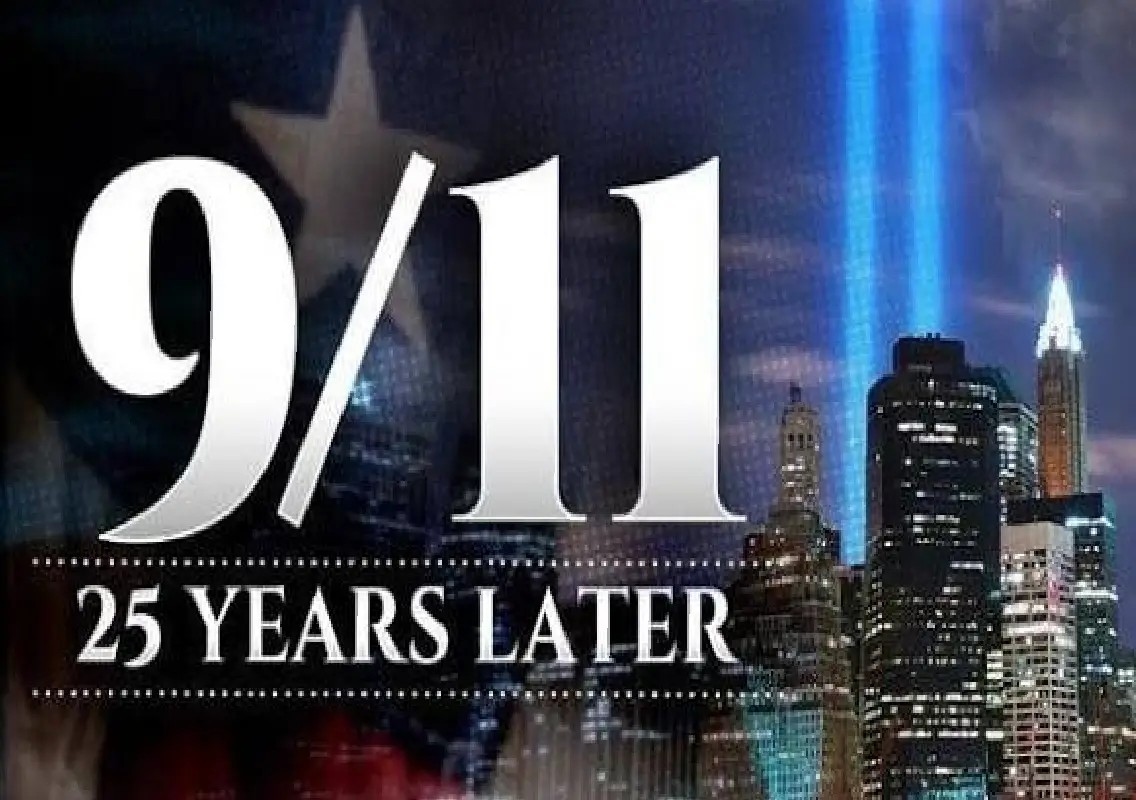


New Delhi: Twenty-five years ago, the September 11, 2001 terrorist attacks changed the United States and reshaped the world. What began as a devastating assault on American soil soon triggered a global “war on terror” whose consequences continue to influence international politics today.
The attacks on September 11, 2001, killed nearly 3,000 people and shocked a world that had entered the new millennium expecting a period of relative stability. For the United States, the tragedy marked the beginning of a prolonged transformation in its foreign and security policies.
9/11 changed America’s place in the world
In the aftermath of the attacks, Washington launched military operations in Afghanistan and later Iraq, while expanding counter-terrorism operations across several regions.
The campaign against terrorism became one of the defining features of American foreign policy for the following two decades. Yet the long military engagements came at a significant human, financial and strategic cost.
The nature of terrorism also evolved. Instead of being confined to a few major organisations and locations, extremist threats became increasingly decentralised, spreading across regions and exploiting new technologies and political instability.
A quarter-century of consequences
Twenty-five years after 9/11, the world that emerged from the attacks looks very different from the one that existed in 2001.
The United States remains a major global power, but its position is no longer as dominant as it was immediately after the Cold War. China has become a powerful strategic competitor, Russia remains influential, and regional powers are pursuing increasingly independent foreign policies.
The long aftermath of 9/11 has therefore extended far beyond the original attacks. It has altered military strategies, international alliances and debates over security and civil liberties.
Remembering September 11
For millions of people, however, September 11 is not primarily a geopolitical milestone. It remains a day remembered through the lives lost, families separated and communities affected by the attacks and their aftermath.
Twenty-five years later, the anniversary offers an opportunity not only to remember those who died but also to reflect on how profoundly one morning changed the course of the 21st century.