







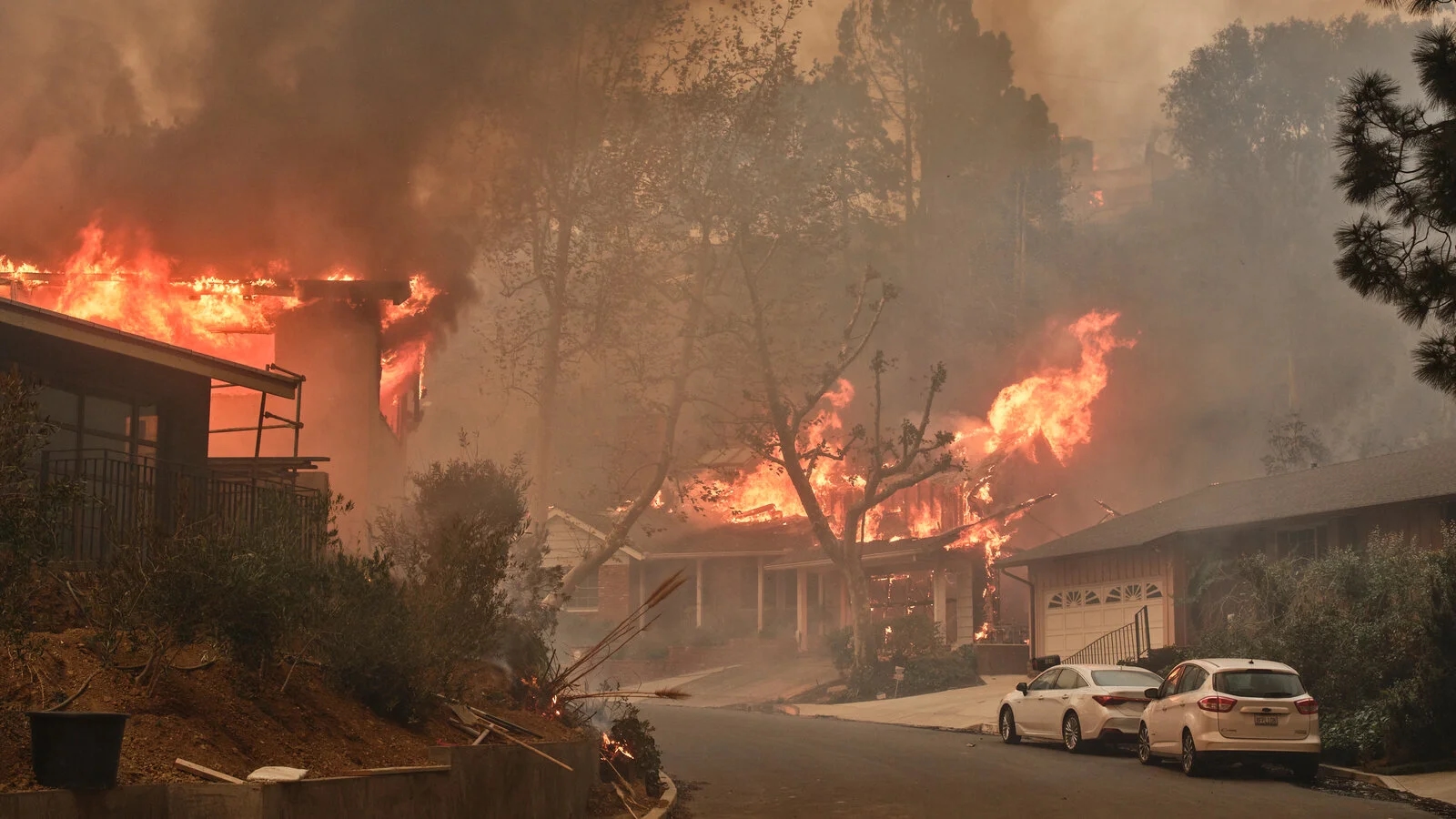


More than a year after a catastrophic wildfire devastated the upscale Pacific Palisades neighbourhood in Los Angeles, federal prosecutors are intensifying their case against a man they allege sparked the initial blaze that later turned deadly.
The accused, Jonathan Rinderknecht, 29, was charged with three federal felony counts in October. Prosecutors claim he deliberately started a small fire in the early hours of New Year’s Day 2025 using an open flame, likely a lighter. That fire, known as the Lachman fire, initially burned about eight acres before firefighters declared it contained.
From small blaze to historic disaster
Just five days later, strong winds gusting up to 100 mph and extremely dry conditions reignited lingering embers, transforming the blaze into what became the most destructive wildfire in Los Angeles history. The Palisades fire ultimately killed 12 people and destroyed more than 7,000 structures.
Experts describe such incidents as “holdover” or “zombie” fires—blazes that appear extinguished but can reignite under favourable conditions. Scientists warn these fires are becoming more common due to climate change and prolonged drought.
Who bears responsibility?
Legal experts say the case will hinge on whether Rinderknecht could have reasonably foreseen the catastrophic consequences of setting even a small fire. Aya Gruber, a criminal law expert at the University of Southern California, said jurors will need to consider whether the later devastation can legally be traced back to the initial act.
At the same time, scrutiny has fallen on the Los Angeles Fire Department, following reports that firefighters were ordered to leave the area before the Lachman fire was fully extinguished. The department’s new chief has since acknowledged shortcomings in internal reports.
Defence and prosecution narratives
Rinderknecht’s lawyer has argued his client is being scapegoated, noting he called emergency services multiple times and offered help. Prosecutors, however, have described his actions as reckless and destructive, saying they led to one of the worst fires the city has seen.
Rinderknecht has pleaded not guilty and is scheduled to stand trial on April 21, 2026. If convicted, he faces between five and 45 years in prison.