







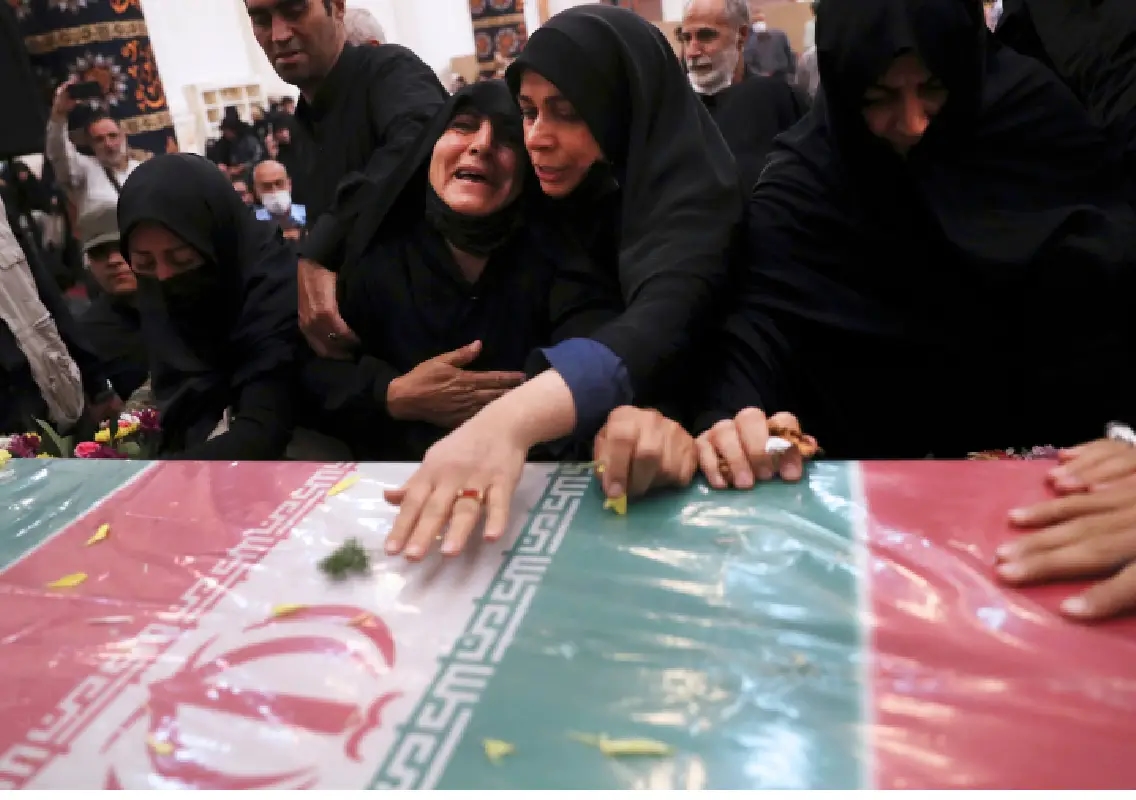


The death of an 11-year-old boy in Tehran during an airstrike has intensified global concern over reports that minors may be involved in security roles linked to Islamic Revolutionary Guard Corps-backed groups.
The child, identified as Alireza Jafari, was reportedly at a checkpoint with his father when the site was struck. His mother stated that they had been assisting patrols associated with the Basij militia to help maintain local security.
Reports of minors in security roles
The incident comes amid reports that the IRGC may be mobilising volunteers as young as 12 for support duties such as patrols and checkpoint management.
Eyewitness accounts from multiple cities have described teenagers—some allegedly armed—manning checkpoints and assisting in vehicle inspections, raising serious concerns about their safety and preparedness.
Human rights concerns intensify
Human rights organisations, including Human Rights Watch, have strongly criticised any recruitment or use of minors in such roles, warning that it could violate international law.
Experts point out that deploying children in conflict situations—even in non-combat roles—can expose them to severe risks, including violence, trauma, and long-term psychological harm.
Legal implications under international law
International legal frameworks, including the Rome Statute of the International Criminal Court, classify the recruitment or use of children under 15 in hostilities as a war crime.
Additionally, global conventions call on states to prevent the involvement of individuals under 18 in armed conflict, highlighting the seriousness of such allegations.
Growing global scrutiny
Analysts say the reported involvement of minors may reflect increasing pressure on authorities amid ongoing conflict, but warn that such measures could attract strong international condemnation.
The incident has added urgency to calls for protecting children in conflict zones, as the humanitarian impact of the war continues to deepen.