







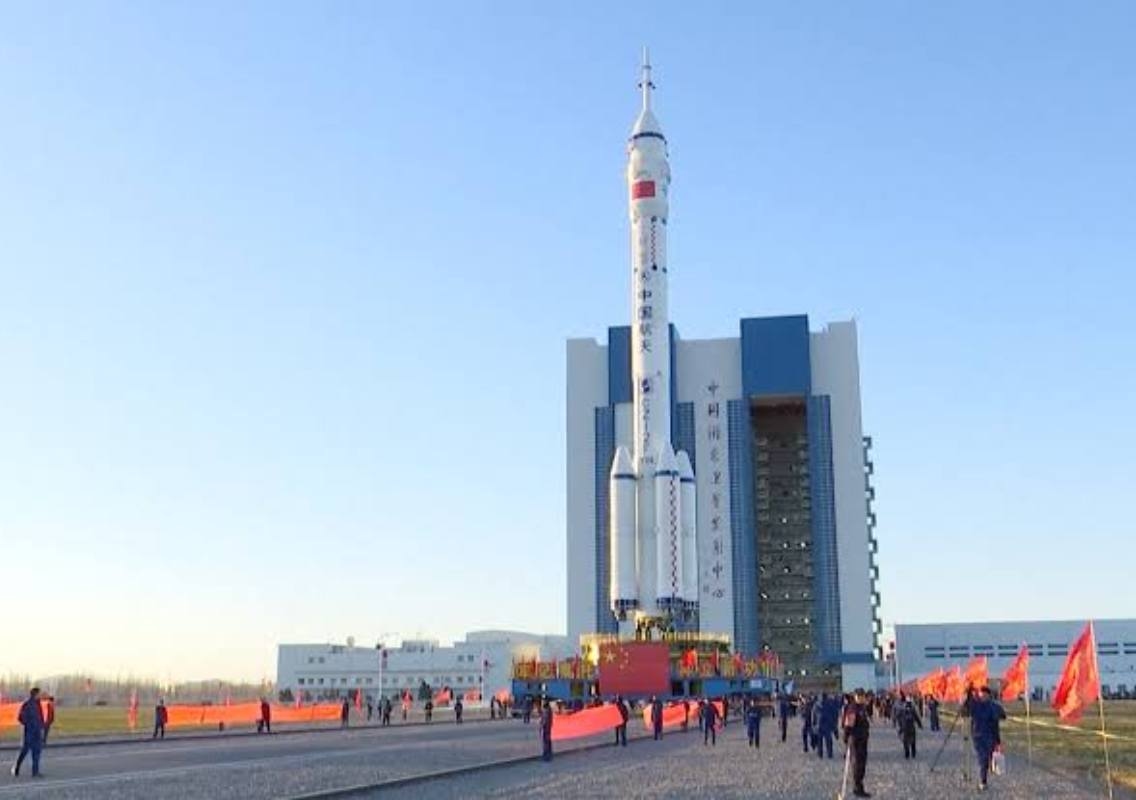


Beijing: As Pakistan prepares to send its first astronaut into space aboard a Chinese spacecraft, attention has turned to the Long March 2F rocket, the launch vehicle that has carried every Chinese astronaut into orbit. With 29 consecutive successful launches since its debut in 1999, the rocket has become a central pillar of China’s human spaceflight programme.
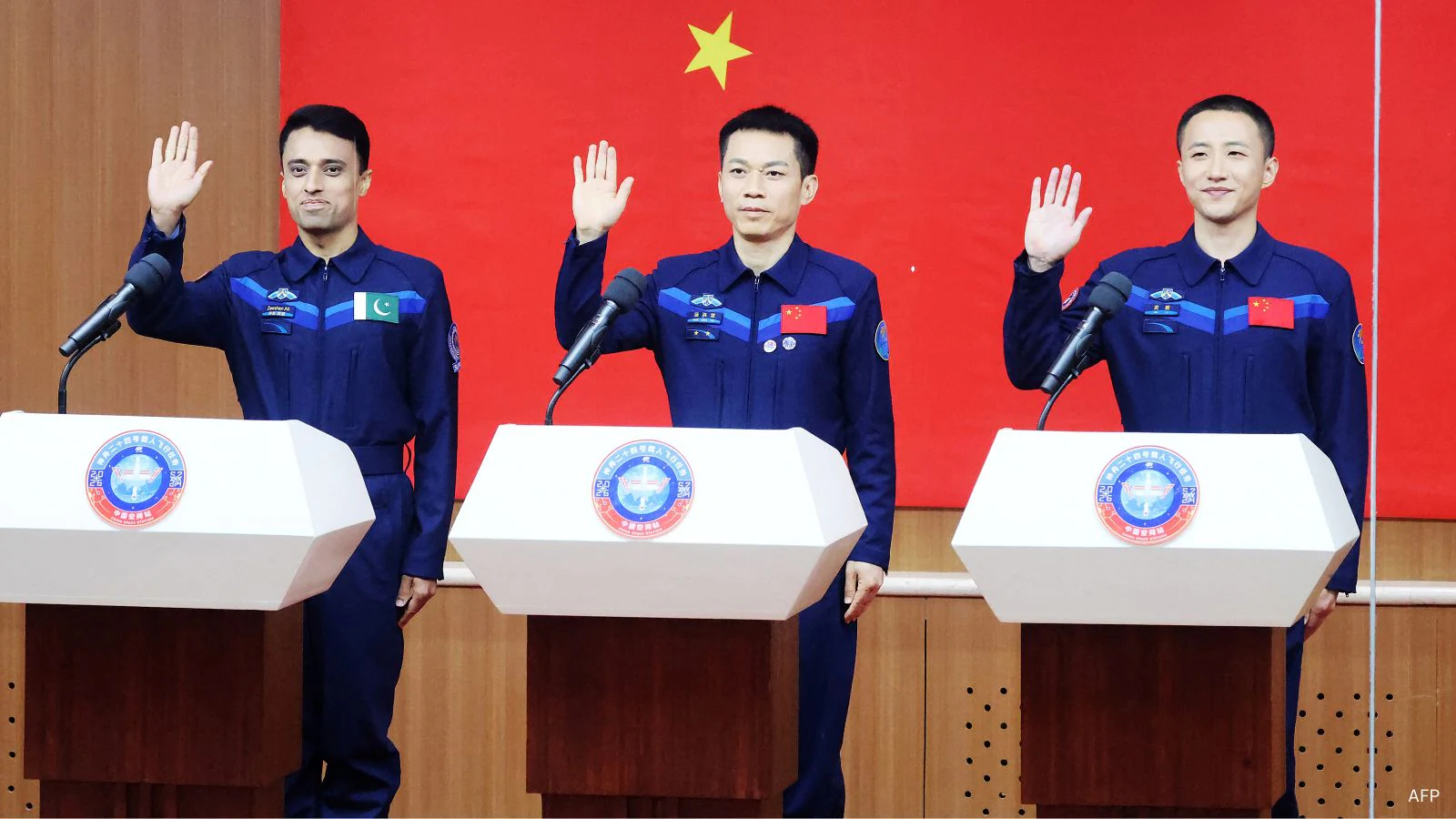
The planned mission involving Pakistani astronaut Muhammad Zeeshan Ali and Chinese astronauts Tang Hongbo and Wu Yi also highlights Beijing’s growing role in international human spaceflight cooperation. The Long March 2F’s long operational history and safety record are expected to remain central to the mission.
Known in China as Chang Zheng 2F, the rocket was developed to provide the country with an independent capability to launch humans into space. More than two decades later, it continues to serve as the primary launch vehicle for China’s Shenzhou crewed spacecraft and missions to the Tiangong space station.
How China’s Long March 2F rocket was developed
The origins of the Long March 2F can be traced to the early 1990s, when China decided to develop an indigenous human spaceflight capability. The rocket was built by the China Academy of Launch Vehicle Technology and developed from earlier vehicles in the Long March family.
However, carrying astronauts required additional safety measures beyond those used for conventional satellite launches. The Long March 2F therefore incorporated extensive safety systems and redundancy features designed to improve reliability during crewed missions.
Its first launch took place in 1999. Since then, it has completed 29 consecutive successful launches, according to the figures cited in the source material.
The name ‘Long March’ has historical significance in China. It refers to the military retreat undertaken by Mao Zedong’s Communist forces between 1934 and 1935. The journey, covering nearly 9,000 kilometres, became an important event in the history of modern China.
By naming its rockets after the Long March, Beijing connected its space programme with a historical symbol associated with endurance, sacrifice and national achievement.
Specifications that make the rocket a human-spaceflight workhorse
The Long March 2F is among the most recognisable launch vehicles in China’s rocket fleet. It stands approximately 58.3 metres tall and has a liftoff mass of around 497 tonnes.
Its central core has a diameter of 3.35 metres and is supported by four liquid-fuel strap-on boosters. These boosters provide additional thrust during the initial phase of the launch, helping the rocket carry its payload into orbit.
The vehicle can place more than eight tonnes into low Earth orbit, making it suitable for launching Shenzhou crewed spacecraft and supporting China’s space station programme.
Its design reflects the requirements of human spaceflight, where reliability and crew safety are critical. The rocket’s safety systems, combined with its operational history, have made it an important part of China’s ability to conduct regular astronaut missions.
Yang Liwei’s historic flight began China’s human spaceflight era
China’s first independent human spaceflight mission took place on October 15, 2003, when Yang Liwei travelled into orbit aboard the Shenzhou-5 spacecraft.
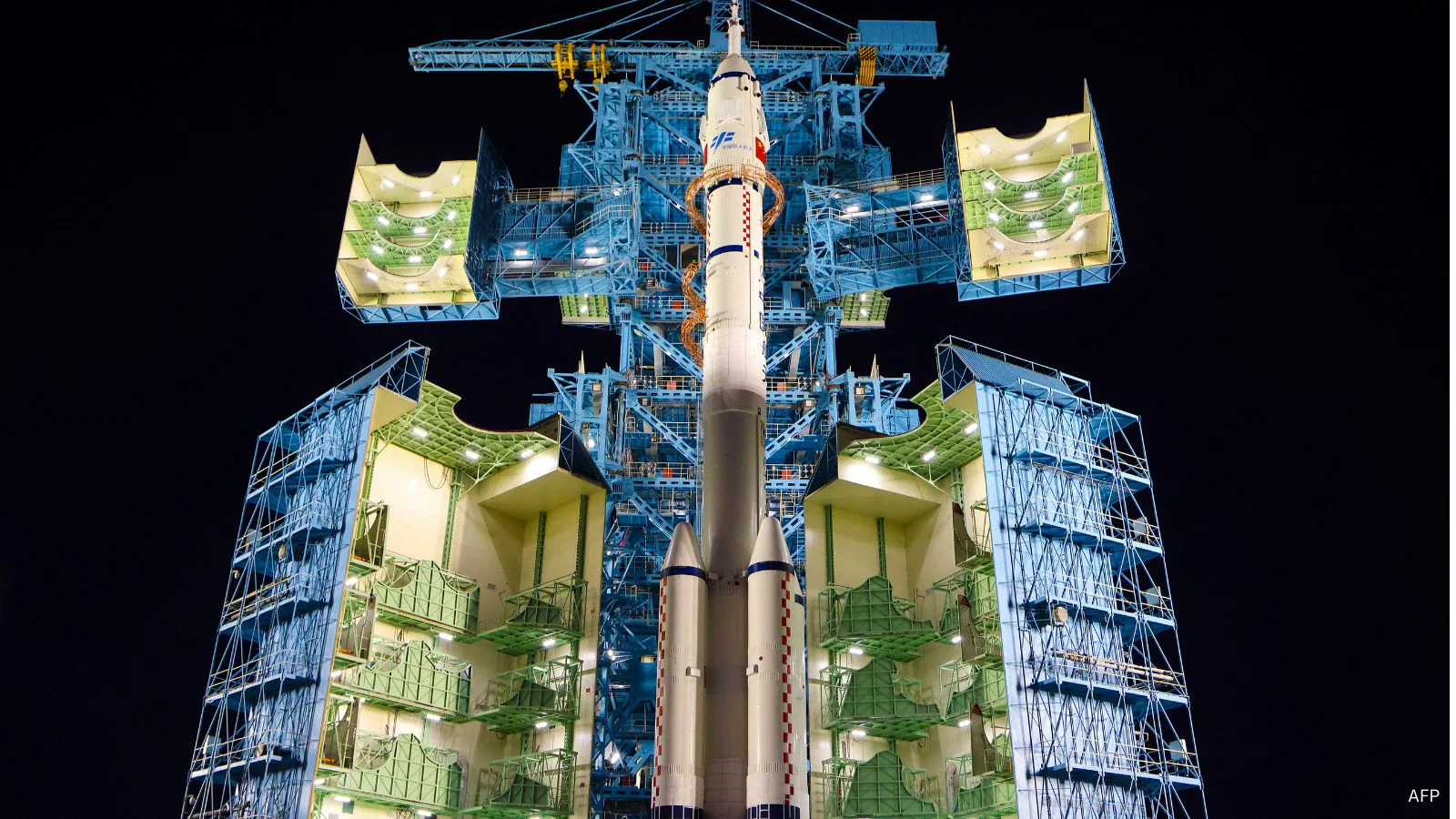
The spacecraft was launched by a Long March 2F rocket from the Jiuquan Satellite Launch Center. Yang spent nearly 21 hours in space before returning safely to Earth.
The mission marked a major milestone for China, making it the third country after the Soviet Union and the United States to independently send a human into space.
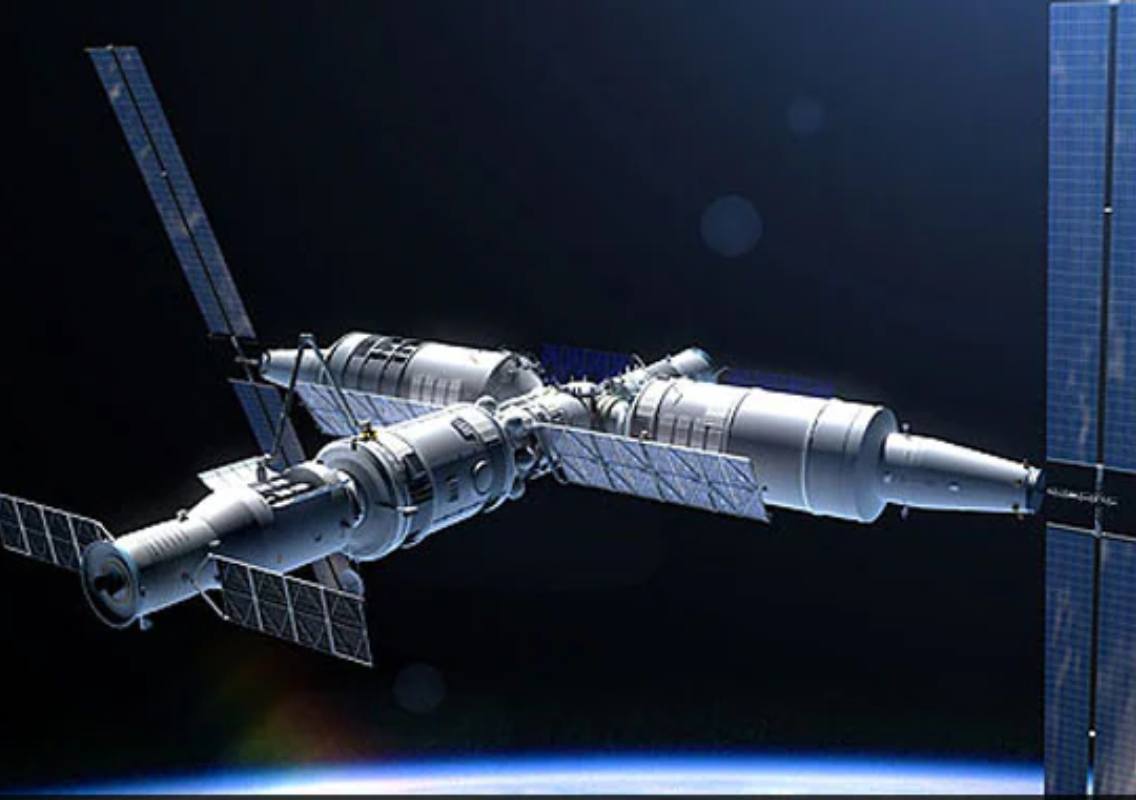
Since that flight, every Chinese crewed space mission has been launched using the Long March 2F. The rocket has carried astronauts aboard Shenzhou spacecraft to experimental space laboratories and, more recently, to the Tiangong space station.
Over the years, Chinese astronauts have conducted scientific experiments, performed spacewalks and supported the establishment of a permanently occupied Chinese presence in low Earth orbit.
As of 2026, 30 Chinese astronauts have travelled into space aboard Long March 2F rockets, according to the figures cited in the source material. Since some astronauts have flown more than once, the total number of crewed seats launched is higher.
Emergency escape system adds another layer of safety
One of the important safety features associated with China’s crewed spacecraft is the emergency escape system mounted above the Shenzhou capsule.
If a serious problem occurs during the early stages of a launch, the system is designed to rapidly separate the crew capsule from the rocket and move it away from danger.
Such an arrangement is particularly important in human spaceflight because a launch vehicle must protect its crew even if an emergency occurs during ascent.
China carried out multiple tests of the escape system while developing its human spaceflight programme. The system forms part of the broader safety architecture supporting the Long March 2F and Shenzhou missions.
The rocket’s record of successful crewed launches, together with the spacecraft’s emergency systems, has helped establish confidence in China’s human spaceflight operations.
Jiuquan: China’s gateway for astronaut missions
Long March 2F crewed launches take place from the Jiuquan Satellite Launch Center in the Gobi Desert region of northwestern China.
Established in 1958, Jiuquan is the country’s oldest space launch facility and remains its primary launch site for human spaceflight missions.
The launch complex used for crewed flights is commonly associated with Site 921, which was developed specifically to support China’s astronaut programme.
Its remote location provides large safety zones and relatively low population density along the launch trajectory. The facility includes astronaut preparation buildings, spacecraft assembly halls, launch pads, mission support infrastructure and tracking facilities.
The wider launch centre extends across areas of Inner Mongolia and Gansu Province, providing the infrastructure required for spacecraft preparation, launch operations and mission monitoring.
The site has played a central role in China’s human spaceflight programme, from Yang Liwei’s first mission to the country’s more recent Tiangong space station operations.
Pakistan’s astronaut mission highlights China’s international role
For Pakistan, sending an astronaut aboard a Chinese spacecraft would represent a significant milestone in its space programme.
Pakistani astronaut Muhammad Zeeshan Ali is expected to join Chinese astronauts Tang Hongbo and Wu Yi for the mission. The planned flight reflects China’s increasing willingness to involve international partners in its space station programme and scientific activities.
Through such cooperation, Beijing is seeking to strengthen its position as a partner for countries interested in human spaceflight and access to orbital research facilities.
The mission also demonstrates how China’s established launch infrastructure and operational experience can support astronauts from outside its own space programme.
For Pakistan, participation in a crewed mission would provide an opportunity to gain experience in human spaceflight operations and scientific work in orbit.
China and India follow different human spaceflight timelines
China’s progress in human spaceflight has also drawn comparisons with India’s ambitions.
China launched its first astronaut in 2003 and has since developed a programme that includes regular crewed missions and a permanently occupied space station. India, meanwhile, is working towards its first independent human spaceflight mission through the Gaganyaan programme.
The Indian Space Research Organisation (ISRO) has conducted several important tests as part of the programme, including demonstrations of crew escape systems and experiments involving crew module technology. However, an Indian astronaut has yet to travel into space aboard an Indian rocket under Gaganyaan.
India’s approach places considerable emphasis on developing indigenous technology and achieving human spaceflight at a relatively cost-efficient scale. The programme represents a major step in the country’s broader space ambitions.
Nevertheless, the difference in timelines highlights China’s head start of more than two decades in developing an operational crewed spaceflight capability.
Long March 2F remains central to China’s space ambitions
The Long March 2F has evolved from a launch vehicle developed for China’s first human spaceflight ambitions into the backbone of its crewed space programme.
Its 29 consecutive successful launches since 1999 and its record of carrying Chinese astronauts without a crew loss have made it one of the most established human-rated rockets currently in operation.
As Pakistan prepares for its planned astronaut mission, the rocket is once again drawing international attention. The flight would not only mark an important moment for Pakistan but also underline China’s expanding role in human spaceflight cooperation.
With the Tiangong space station continuing to support China’s orbital ambitions, the Long March 2F is likely to remain an essential part of the country’s crewed missions and its wider position in the global space sector.