







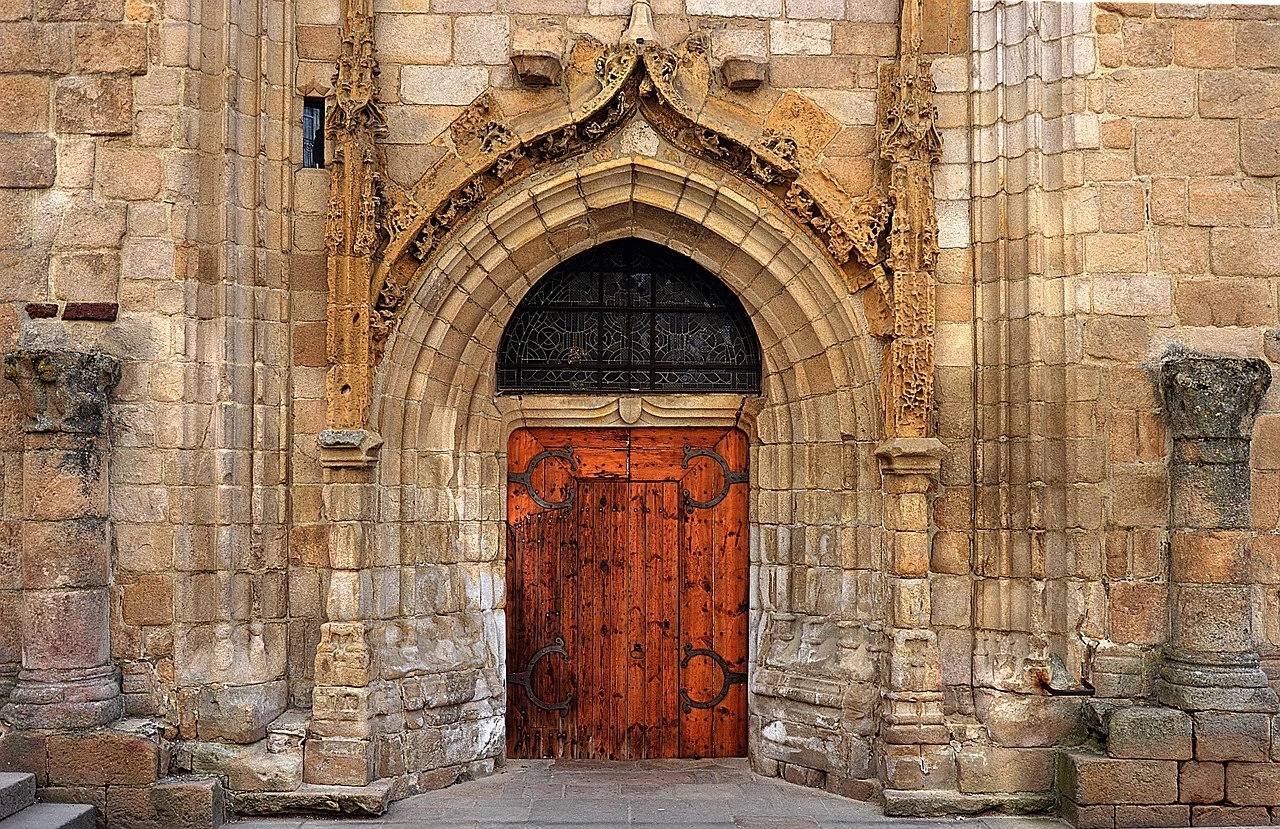


A quiet Spanish village has found itself at the centre of a national debate after the proposed sale of old church doors triggered controversy over heritage, politics and social media influence.
The issue emerged in Ventosa de la Cuesta, where an online advertisement on Wallapop listed the doors of the local church for €390. What began as an administrative move to replace deteriorating doors soon escalated into a heated public dispute.
Viral video turns local issue national
The controversy gained momentum after resident Malena Alonso posted a video on TikTok, calling the sale an “attack on historical heritage” and criticising local authorities. The clip went viral, drawing widespread attention and transforming a village matter into a national talking point.
Political undertones fuel debate
The issue soon acquired political overtones. Malena Alonso is the daughter of Alberto Alonso, a Socialist Party member in the local opposition. The decision to sell the doors was taken by the parish committee led by María Luisa Escalante, who represents the Partido Popular. This connection led to allegations that the dispute was driven as much by politics as by heritage concerns.
Are the doors historically significant?
Social media users claimed the doors dated back to the 16th century, but Juan Carlos Álvarez questioned this assertion. He noted that while the church itself is old, the doors may have been installed much later and may not possess exceptional historical or artistic value.
Importantly, the church does not have official heritage protection status, meaning strict conservation rules do not apply. However, following the public backlash, authorities agreed to commission a technical report assessing the doors’ condition, restoration costs and historical relevance.
Procedural lapse draws criticism
Even critics acknowledge the doors are in poor condition, allowing cold air inside and offering limited security—issues that earlier led to the installation of metal grilles. The main criticism centres on procedure: the doors were listed for sale before consulting heritage authorities.
Wallapop later removed the listing, citing platform rules that prohibit selling parts of active buildings.
A symbol beyond the village
Residents say the issue would likely have remained local without social media attention. Now, the debate has become symbolic, reflecting tensions between preservation and practicality in small communities.
The final decision on the doors will rest with the Archdiocese, which owns the church. The episode highlights how, in the digital age, even routine decisions in the smallest towns can quickly spiral into national conversations about identity, memory and governance.