







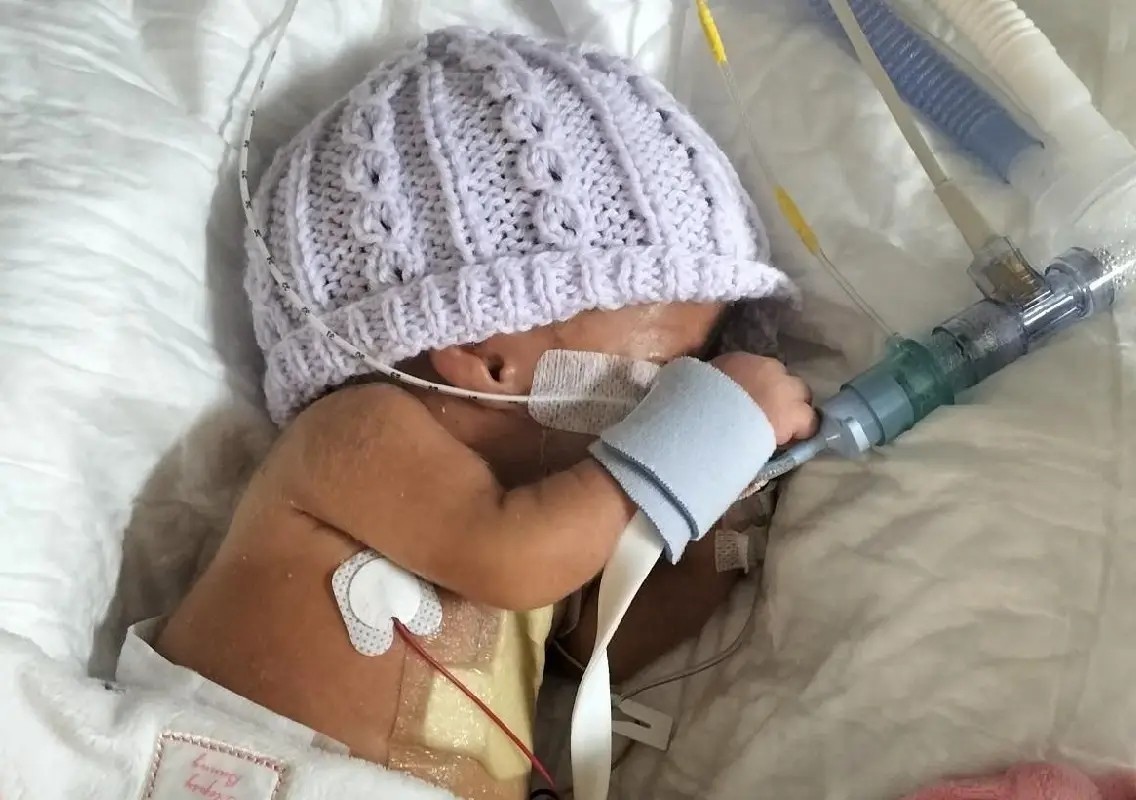


Doctors and charities have warned that delays to Scotland’s planned reorganisation of neonatal intensive care could put some of the country’s smallest and sickest babies at greater risk.
The Scottish Government announced in 2017 that neonatal intensive care would be reorganised from eight units to three specialist centres. The new model was expected to be implemented by 2026, but no date has yet been set.
Three centres would provide specialist intensive care
Under the proposed system, babies born before 27 weeks, weighing less than 800 grams, or requiring complex specialist treatment would receive intensive care at centres in Aberdeen, Edinburgh and Glasgow.
The remaining five units would continue providing neonatal care but with a more limited level of intensive treatment.
Doctors supporting the plan say concentrating specialist services would allow the sickest babies to receive care from highly trained teams with access to specialised equipment and surgery. The British Association of Perinatal Medicine has said Scotland is falling behind England in implementing the model.
Staffing and cot capacity remain concerns
The delay has been linked to concerns over the availability of neonatal cots, specialist staff, additional space and transport arrangements. The number of intensive-care cots at the proposed specialist centres has not increased as originally planned.
Some parents and campaigners oppose the proposed centralisation, arguing that reducing intensive-care capacity at local hospitals could create difficulties when specialist beds elsewhere are unavailable.
Other parents support the reform, saying their experiences showed the importance of access to highly specialised neonatal teams.
Health Secretary Angela Constance has said the changes will be implemented but has not provided a new timetable, stressing that the necessary resources and organisation must be in place.
The debate continues as a parliamentary committee considers a petition calling for the proposed changes to be abandoned.