









The U.S. is grappling with an unsettling rise in drone swarms infiltrating sensitive military zones, exposing gaping vulnerabilities. Retired Air Force General Glen VanHerck has sounded a stark warning: the nation lacks the legal framework and policies to counteract this evolving threat.
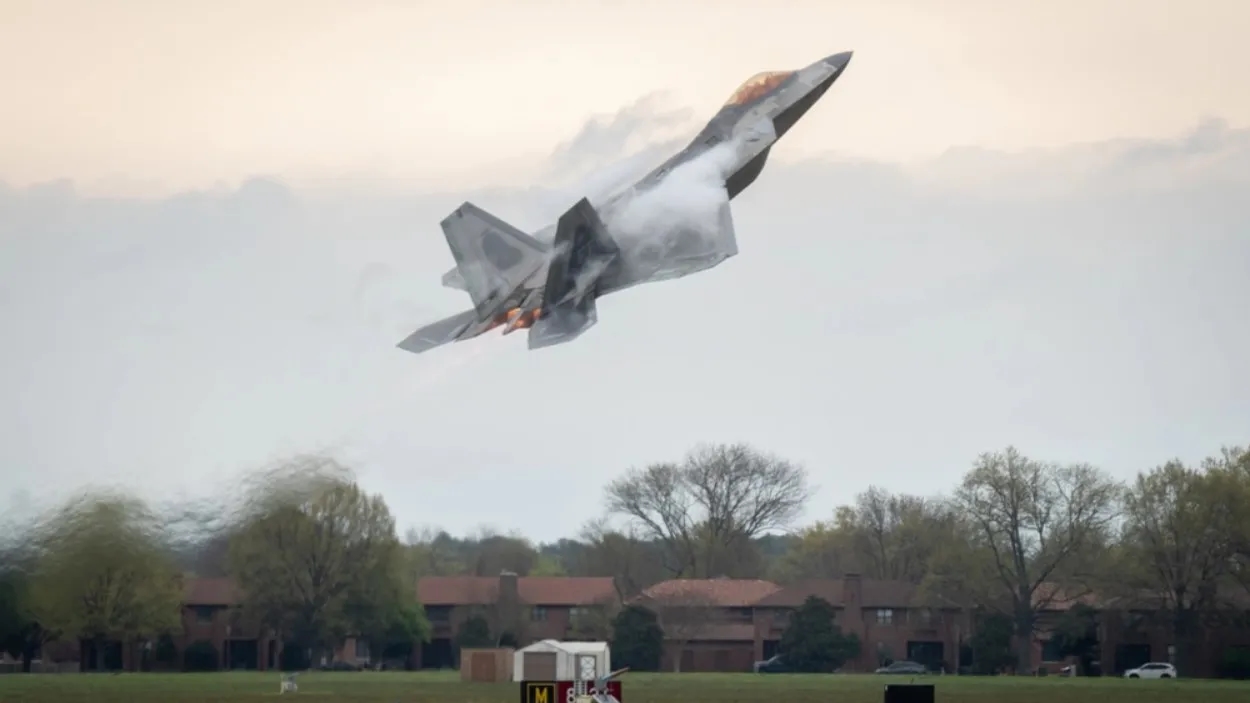
A particularly worrying episode occurred over Langley Air Force Base, Virginia, where drones invaded the airspace for 17 straight nights in December 2023. Authorities dismissed the incidents as harmless hobbyist activity, but VanHerck suspects a potential foreign hand, hinting at surveillance or worse.
General Gregory Guillot, VanHerck’s successor, echoed these fears, highlighting drones’ ability to monitor critical military assets undetected. He called for greater authority to neutralize such threats swiftly.
This isn’t isolated. In 2019, Navy ships off California were trailed by drone swarms for weeks. Drones have also appeared over key sites like the Palo Verde nuclear plant and advanced weaponry facilities, raising red flags about potential espionage or sabotage.
Langley eyewitness Jonathan Butner described the swarm as relentless, recording 90 minutes of footage now under FBI review. Retired General Mark Kelly confirmed drones ranged from small quadcopters to car-sized crafts.
Even beyond U.S. borders, drones disrupted operations at a U.K. airbase housing U.S. nuclear arms.
Countering these incursions remains tricky. Existing radar struggles to detect low-flying drones, and legal constraints hamper offensive measures domestically.
While new technologies and inter-agency coordination are underway, experts warn the response remains sluggish. America’s assumption of homeland security as impenetrable may no longer hold true.
Russia claims major drone assault thwarted overnight
Drone to control traffic in China, with touchscreen and navigation
#DroneThreat #MilitarySecurity #NationalDefense #EmergingRisks